Egg Tray Production Line | Paper Pulp Egg Tray Processing Plant
| Brand | Shuliy Machinery |
| Capacity | 1000-7000pcs/h |
| Core equipment | Pulping tank, egg tray machine, tray dryer |
| Raw materials | Waste paper, cardboard, waste books |
| Warranty | 12 month |
You can now ask our project managers for technical details
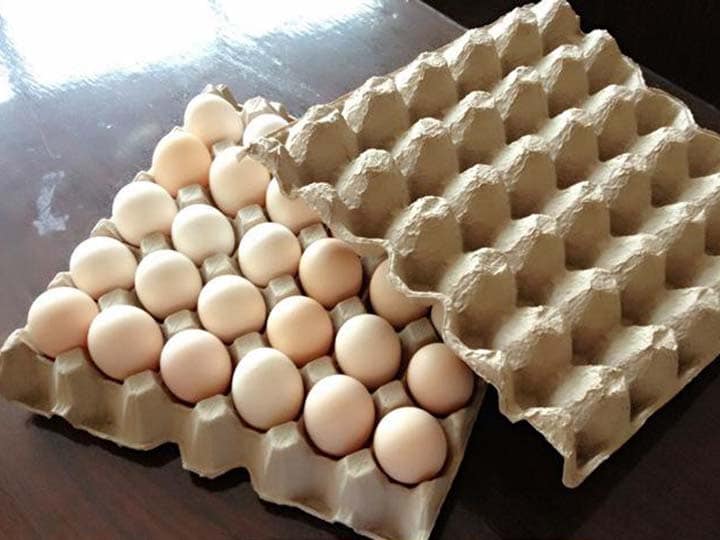
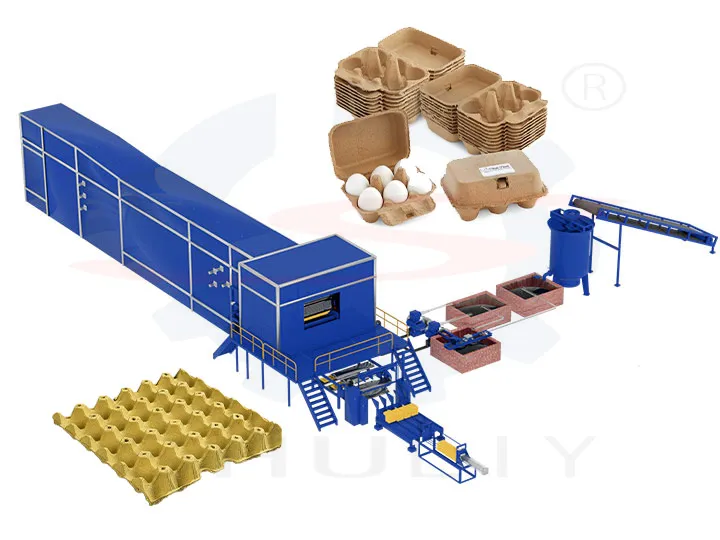
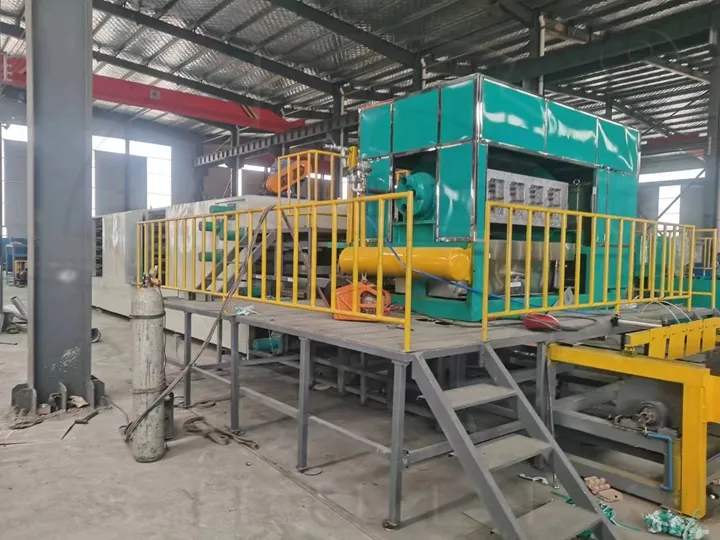
An egg tray production line is an integrated manufacturing system that converts waste paper into finished pulp trays through pulping, vacuum forming, drying, and packaging. The Shuliy SL-series handles outputs from 1,000 to 7,000 trays per hour on 20-hour operating schedules, producing 8,000 to 60,000+ standard 49-cell egg trays per day. Raw materials include waste cardboard, newspapers, old books, and kraft paper. Finished trays serve poultry farms, supermarkets, hatcheries, and export packaging channels.
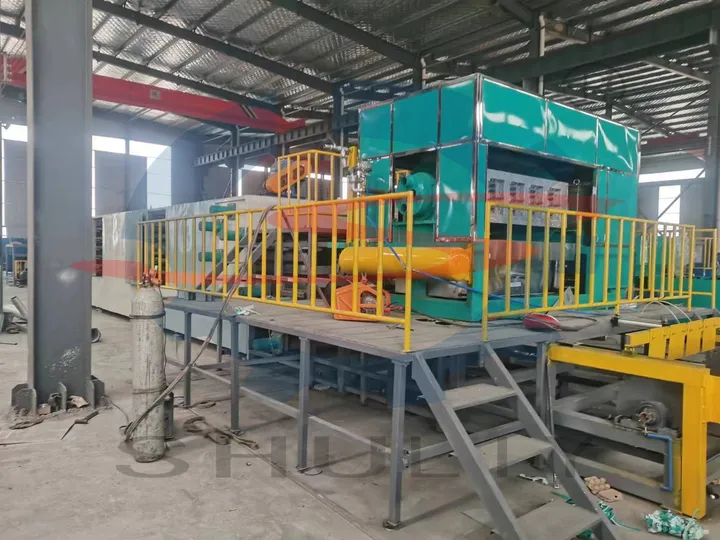
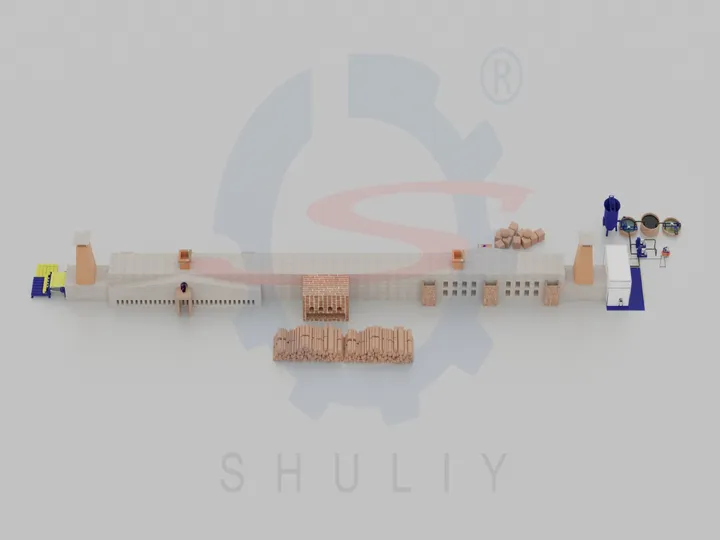
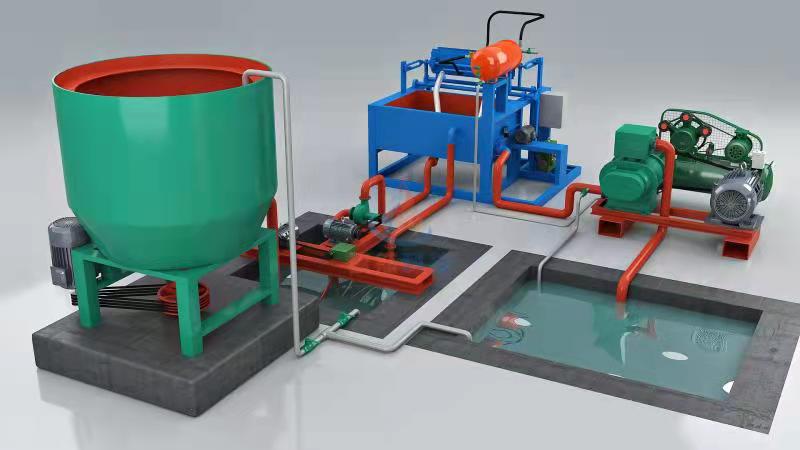
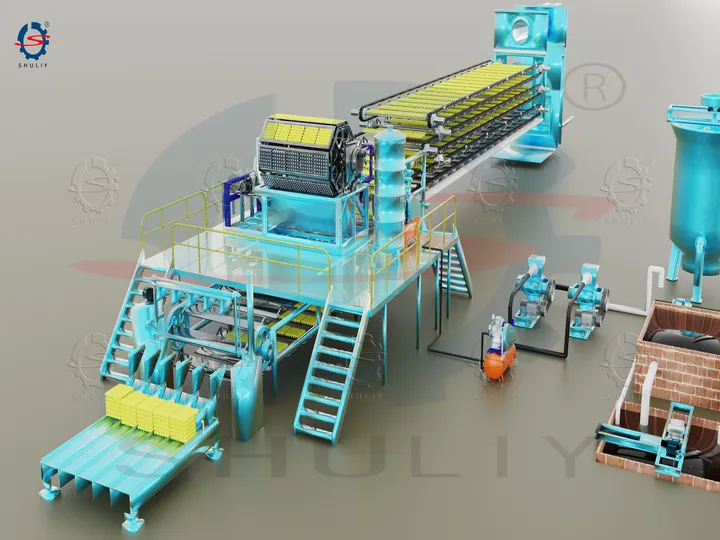
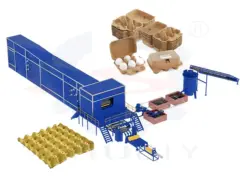
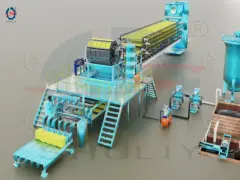
This system differs from stand-alone egg tray machines. A complete paper pulp egg tray plant includes pulping tanks, forming equipment, a dryer, and a packaging unit in one coordinated workflow. Shuliy configures each line to the buyer’s target output, available fuel, drying method preference, and facility size. The result is a production-ready solution rather than a single machine that requires additional engineering.
Shuliy has supplied egg tray production lines to Nigeria, Zambia, Cameroon, Kenya, Tanzania, India, and over 50 other countries. Each system ships after factory testing, with installation guidance and operator training included.
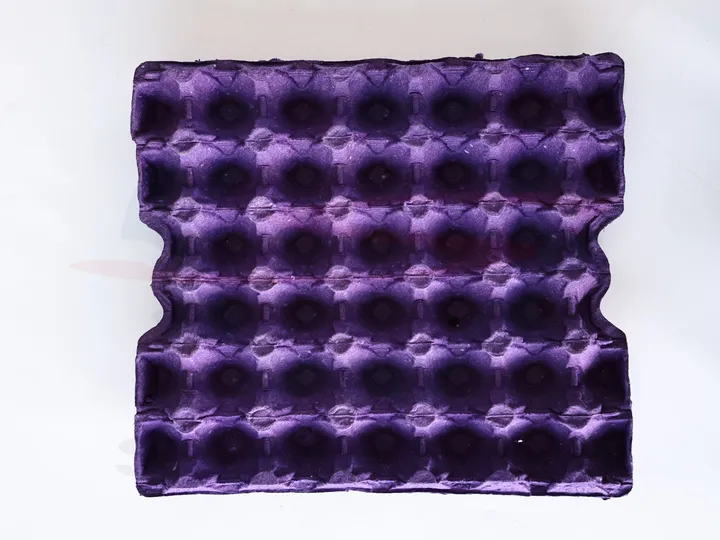
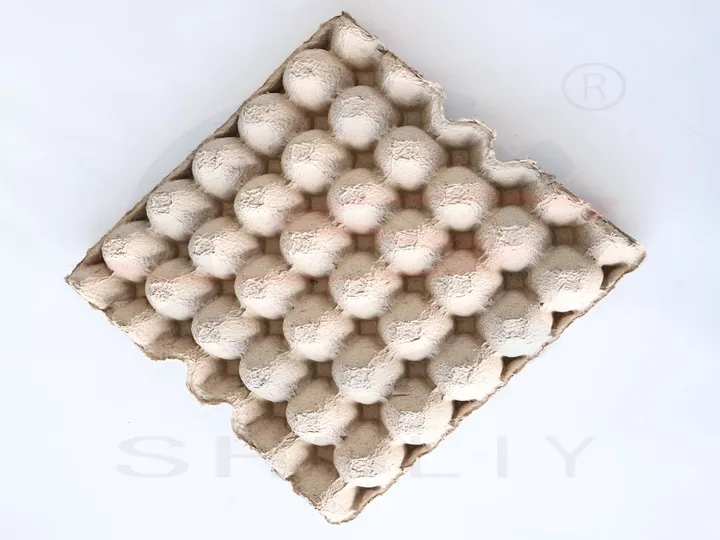
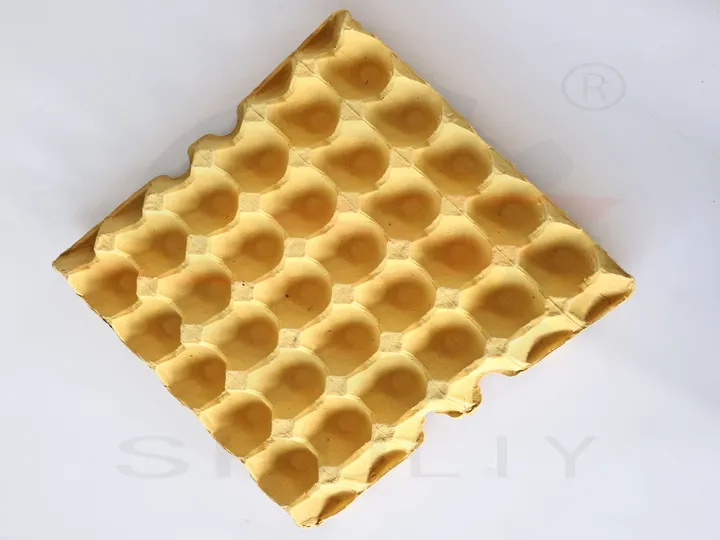
Core Technical Parameters
| Model | Capacity | Daily Output (20 hrs) | Total Power | Voltage | Weight | Water Usage | Paper Usage |
|---|---|---|---|---|---|---|---|
| SL-1000-3×1 | 1,000 pcs/h | 20,000 pcs | 54 kW | 380V/50Hz | 2,500 kg | 160 kg/h | 80 kg/h |
| SL-1500-4×1 | 1,500 pcs/h | 30,000 pcs | 74 kW | 380V/50Hz | 3,000 kg | 240 kg/h | 120 kg/h |
| SL-2500-3×4 | 2,500 pcs/h | 50,000 pcs | 86 kW | 380V/50Hz | 4,000 kg | 400 kg/h | 200 kg/h |
| SL-3000-4×4 | 3,000 pcs/h | 60,000 pcs | 113 kW | 380V/50Hz | 4,800 kg | 480 kg/h | 240 kg/h |
| SL-4000-4×8 | 4,000 pcs/h | 80,000 pcs | 122 kW | 380V/50Hz | 7,000 kg | 640 kg/h | 320 kg/h |
| SL-5000-5×8 | 5,000 pcs/h | 100,000 pcs | 149 kW | 380V/50Hz | 8,000 kg | 800 kg/h | 400 kg/h |
| SL-7000-6×8 | 7,000 pcs/h | 140,000 pcs | 186 kW | 380V/50Hz | 10,000 kg | 960 kg/h | 480 kg/h |
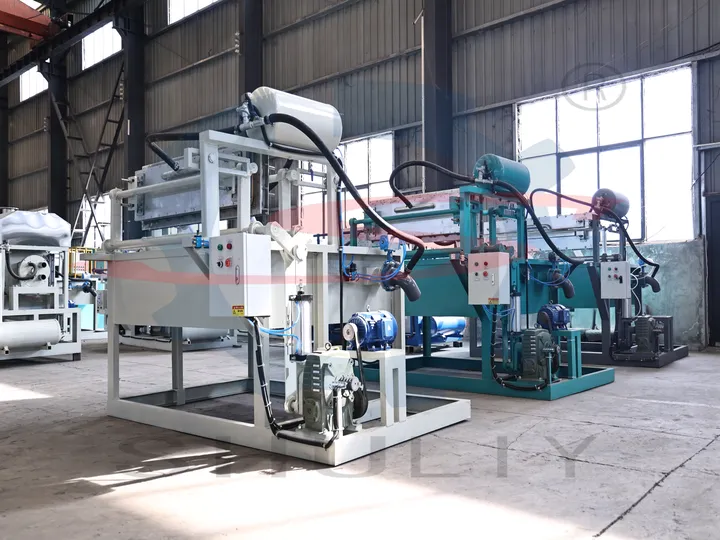
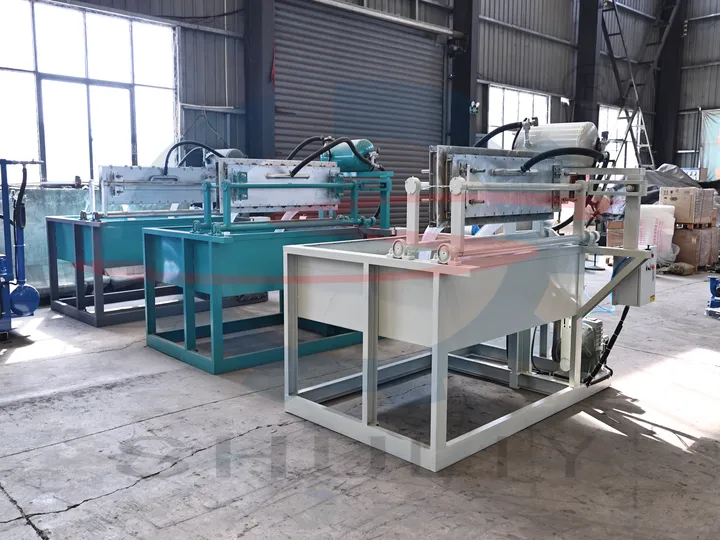
What Does a Complete Egg Tray Production Line Include?
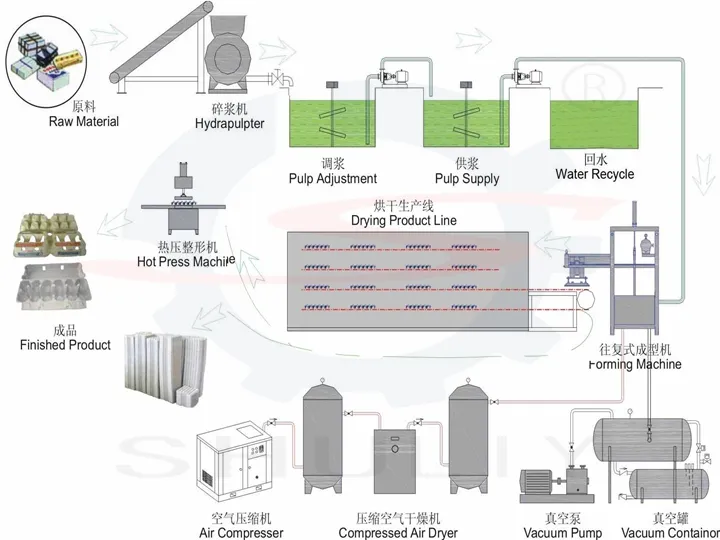
A commercial egg tray production line consists of four connected modules. Each module is sized to match the target capacity.
Pulping and Preparation System
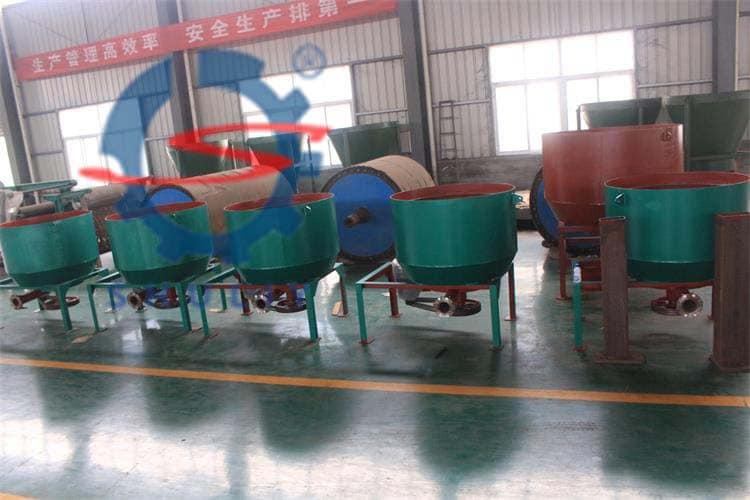
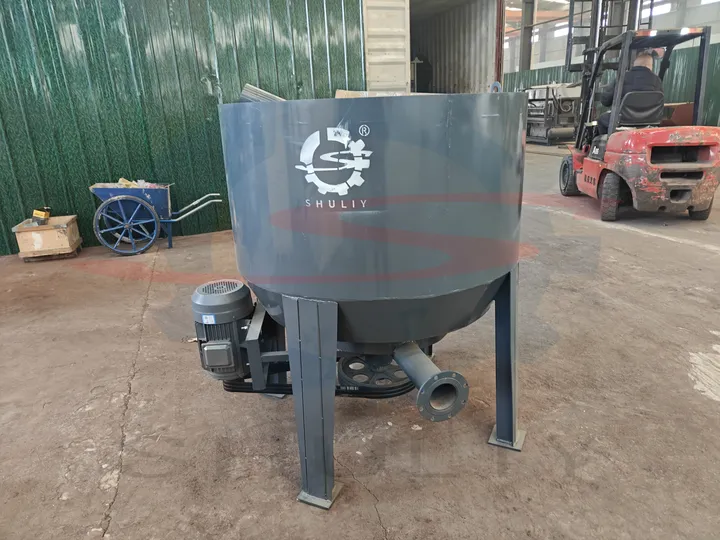
Waste paper such as newspapers, corrugated cardboard, and kraft paper is mixed with water and processed in a hydrapulper. The high-speed stirring and crushing action separates the fibers and produces a uniform pulp mixture.
The pulp concentration can be adjusted according to production needs. The recommended water-to-paper ratio is around 10:1, with a maximum ratio of 5:1. Proper pulp consistency and sufficient mixing are important for producing well-formed egg trays. The pulping process usually takes about 20–40 minutes.
The pulping system is selected based on production capacity. The SL-1000 uses a 1.2 m³ pulper with a 7.5 kW motor, while the SL-7000 is equipped with a 6 m³ pulper with a 37 kW motor and multiple agitators.
Vacuum Forming Machine
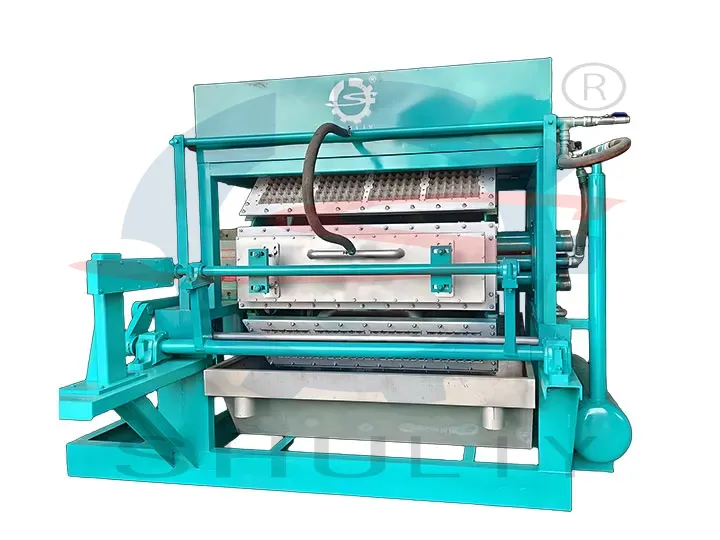
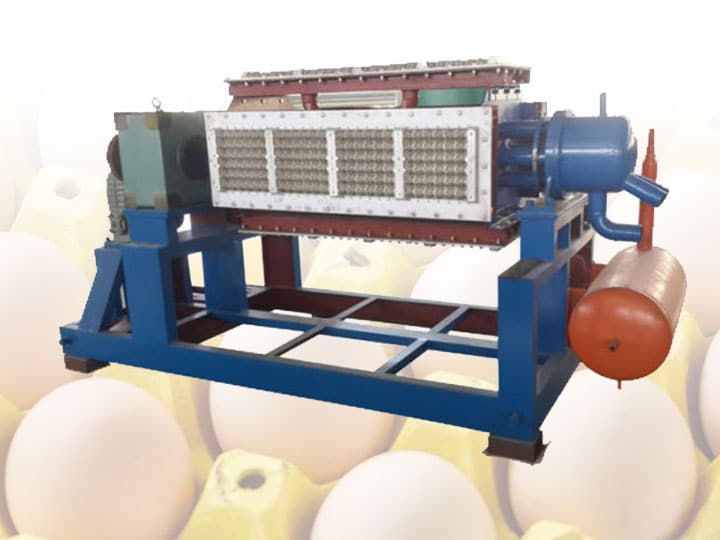
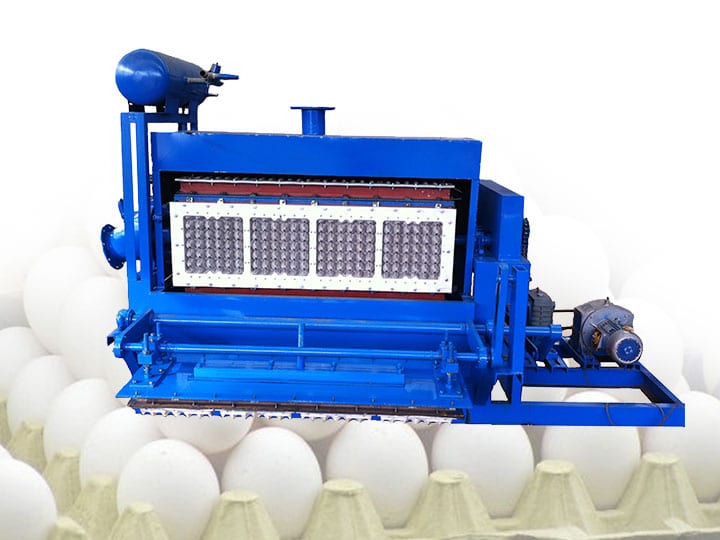
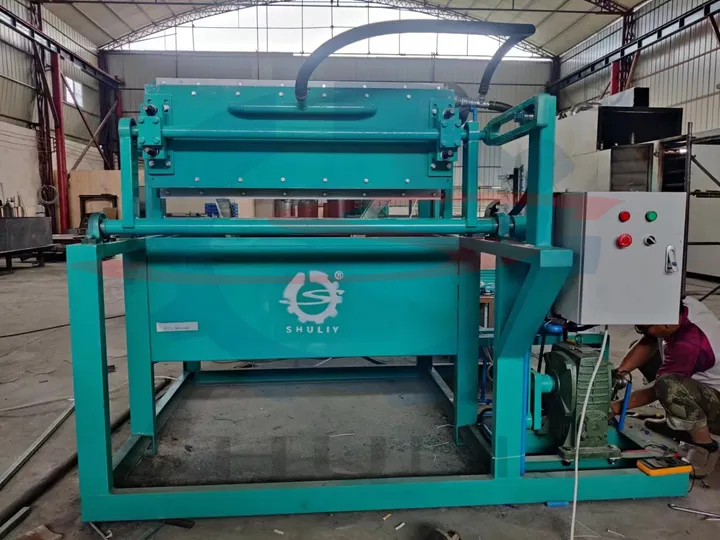
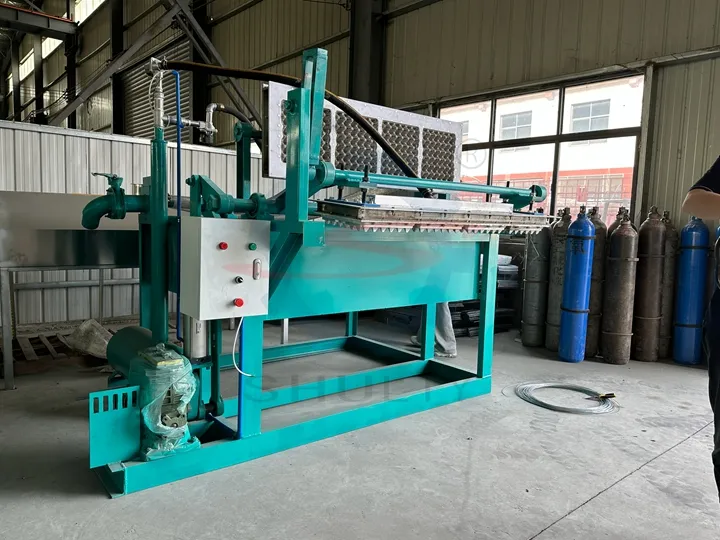
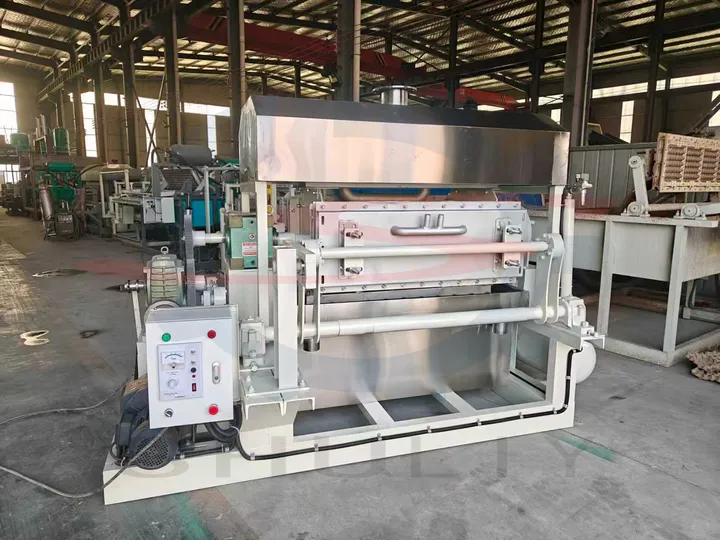
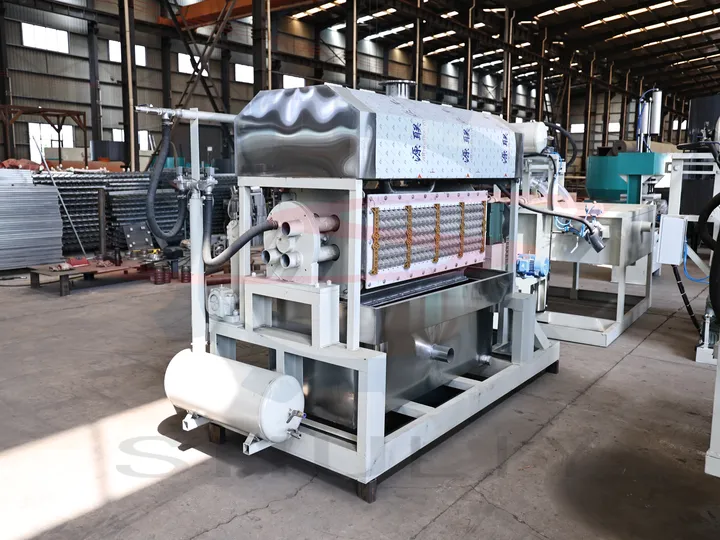
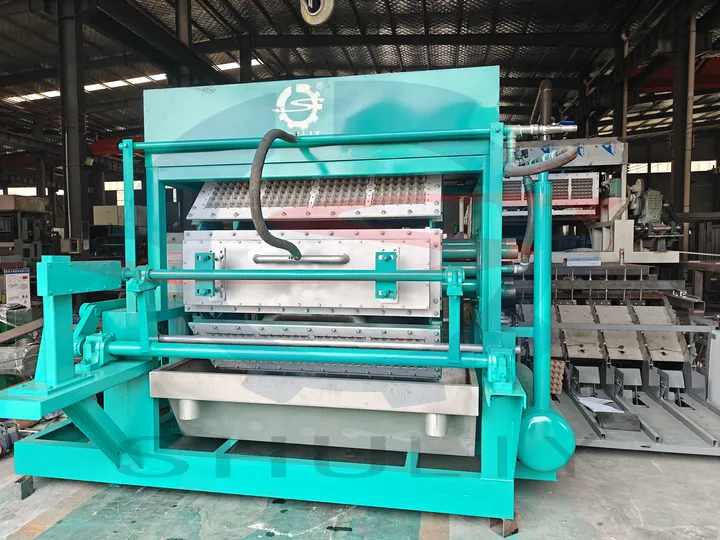
This is the production core. Pulp flows into the forming mold cavity. Vacuum suction draws water through the mesh while fibers deposit on the mold surface. A transfer mold removes the wet tray and places it on the dryer conveyor.
Shuliy offers four forming configurations:
| Forming Type | Mold Arrangement | Capacity Range | Best For |
|---|---|---|---|
| Single-side | 3×1 or 4×1 | 1,000-1,500 pcs/h | Small farms, startups |
| Four-side rotary | 3×4 or 4×4 | 2,500-3,000 pcs/h | Medium plants |
| Eight-side rotary | 4×8 or 5×8 | 4,000-5,000 pcs/h | Large factories |
| Twelve-side rotary | 6×8 | 7,000 pcs/h | Industrial-scale plants |
Drying System
Three drying methods are available. The right choice depends on climate, budget, and daily output.
| Drying Method | Investment Level | Best For | Drying Time |
|---|---|---|---|
| Natural sun drying | Lowest | Small output, dry climates | 1-3 days |
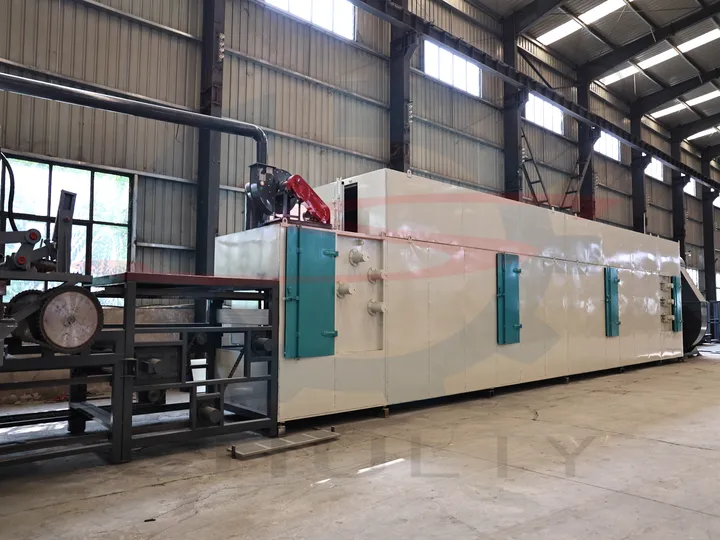
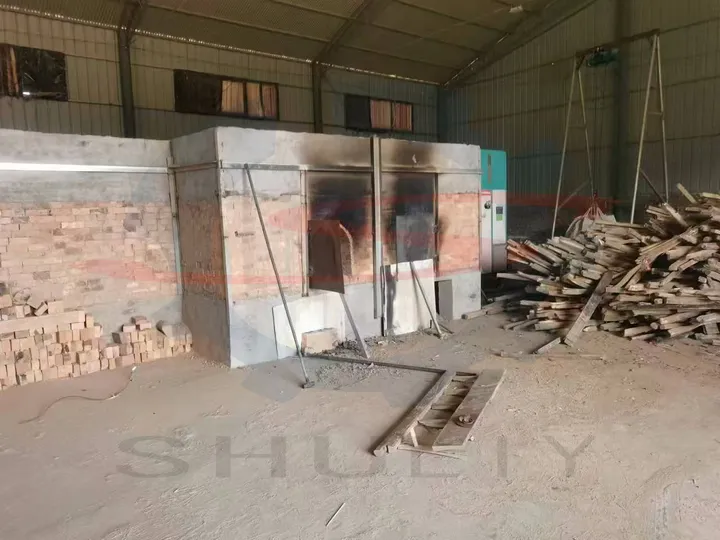
| Brick kiln drying | Medium | Commercial production | 15-30 minutes |
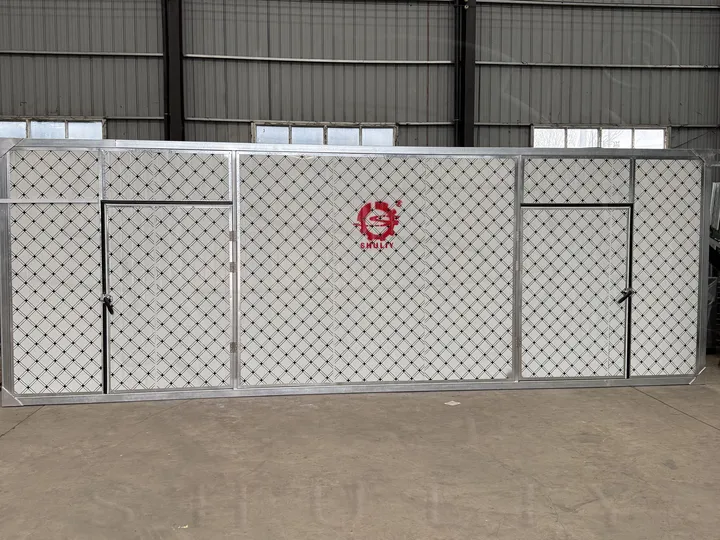
| Metal mesh belt dryer | Higher | High output, limited space | 15-25 minutes |
The brick kiln dryer is the most common choice for commercial egg tray production lines in Africa and Asia. It uses coal, diesel, natural gas, or liquefied gas. The metal dryer is faster and more compact but requires a higher initial investment.
Packaging Equipment
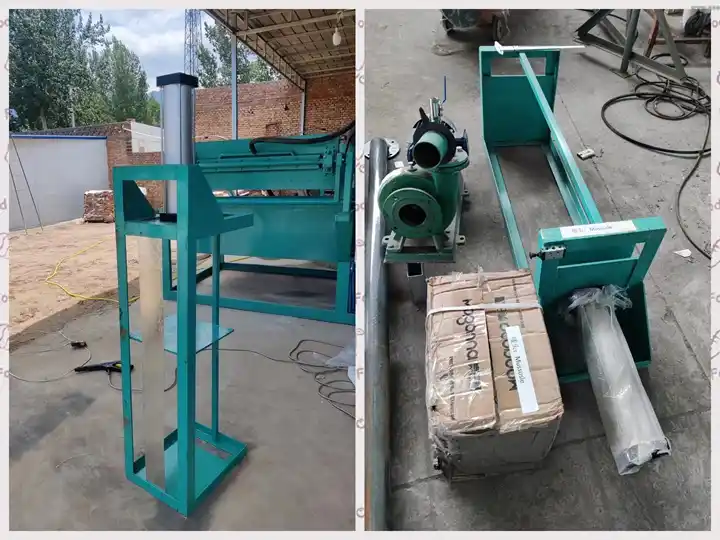
Finished trays are stacked and compressed. A hydraulic baler reduces stack volume by 30-40%. This lowers transport costs and simplifies warehouse storage. The baler operates pneumatically and requires one operator.
How Does the Production Line Work?
The manufacturing process follows five clear steps:
Step 1: Pulping
Waste paper and water enter the hydropulper. The rotor breaks down fibers into a uniform slurry.
Step 2: Pulp Adjustment
The slurry moves to a storage tank. Consistency is adjusted before pumping to the forming machine.
Step 3: Vacuum Forming
Pulp fills the mold cavity. Vacuum suction forms the tray shape and removes excess water.
Step 4: Drying
Wet trays enter the dryer. Moisture drops from 50-60% to below 12%.
Step 5: Stacking and Baling
Dry trays are counted, stacked, and compressed into bundles for shipment.
Raw Materials You Can Use
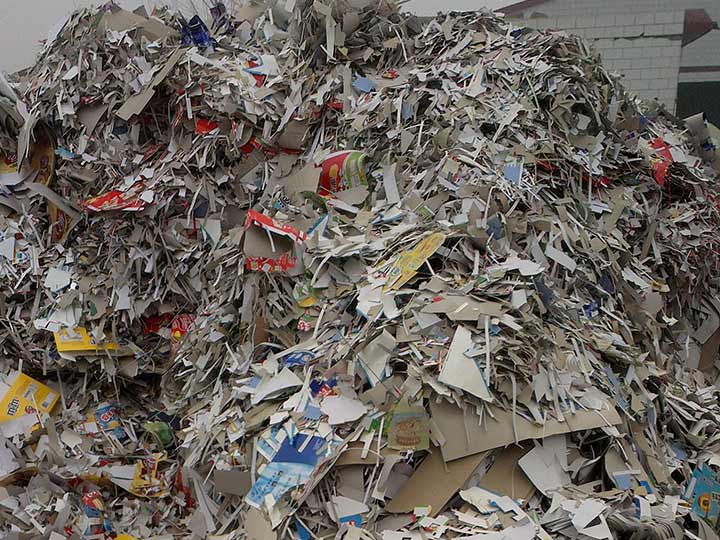
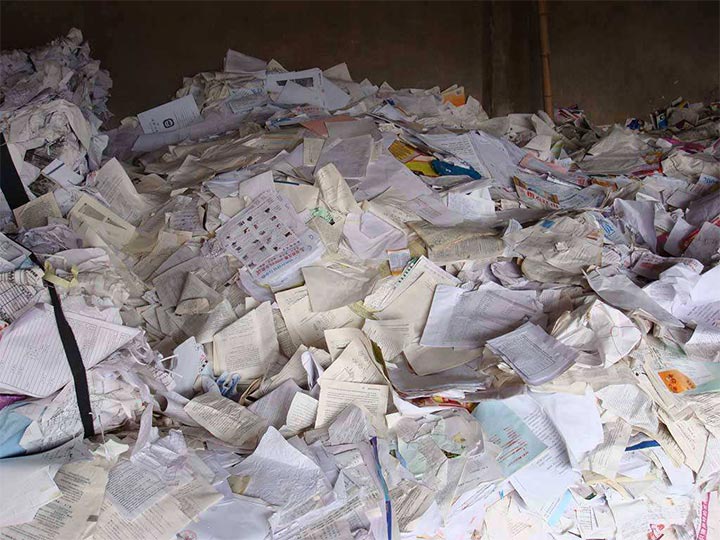
The paper egg tray production line processes multiple waste paper types:
- Corrugated cardboard and carton boxes: Provide strong fiber structure
- Newspapers and magazines: Create consistent gray pulp
- Office paper and books: Produce lighter-colored trays
- Kraft paper and paper sacks: Improve water resistance
Raw material must be free from plastic coatings, metal staples, and excessive oil. One ton of dry waste paper produces approximately 12,000 standard 49-cell egg trays. Most operators blend cardboard (60-70%) with other paper types to balance cost and tray strength.
Products You Can Manufacture
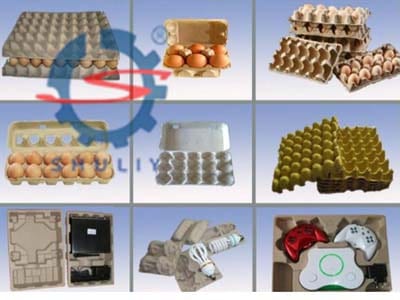
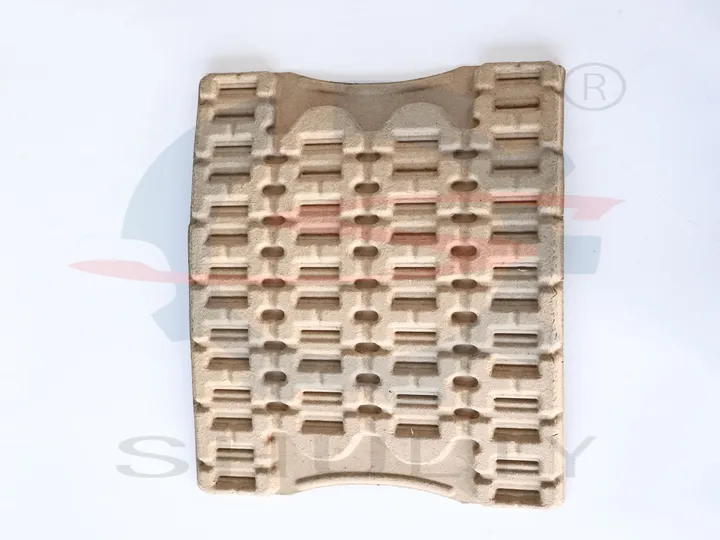
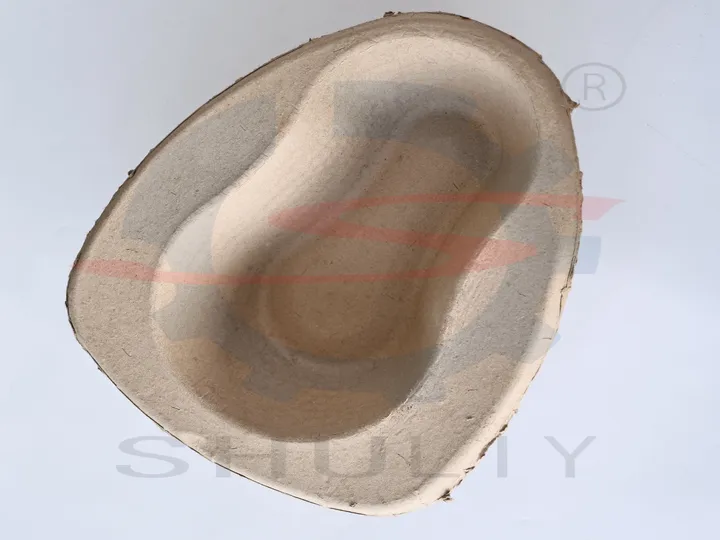
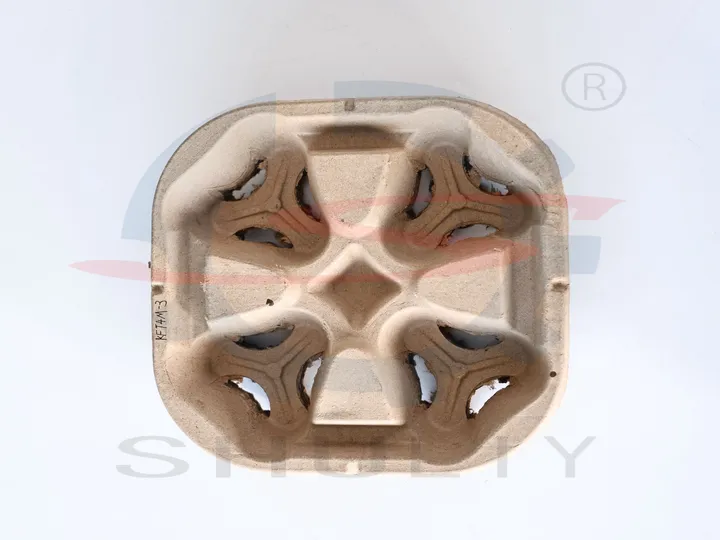
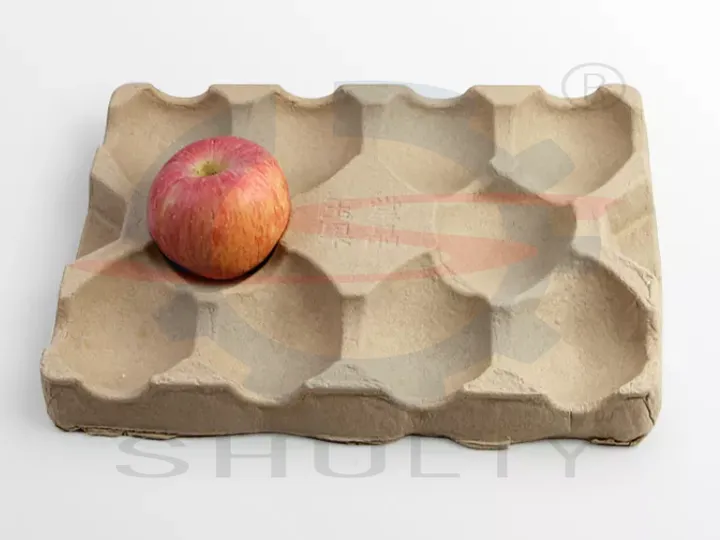
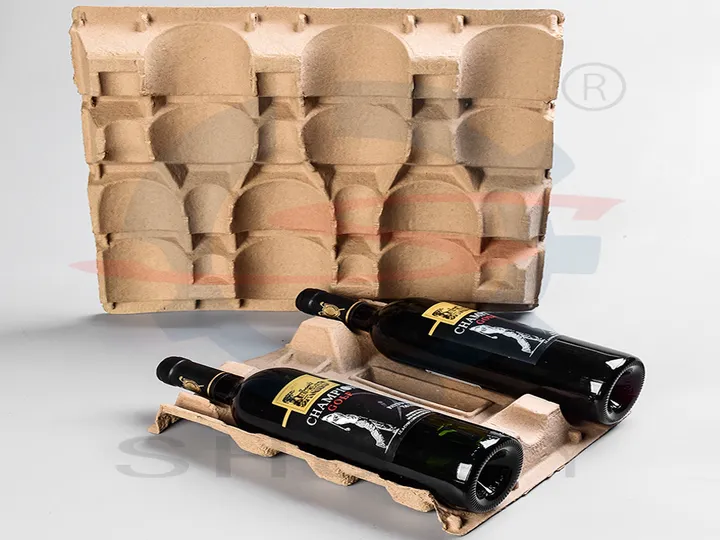
By changing molds, the same line produces:
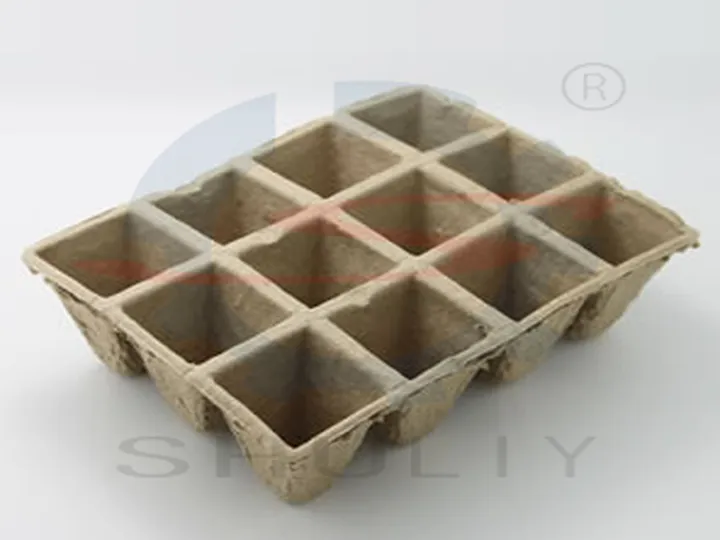
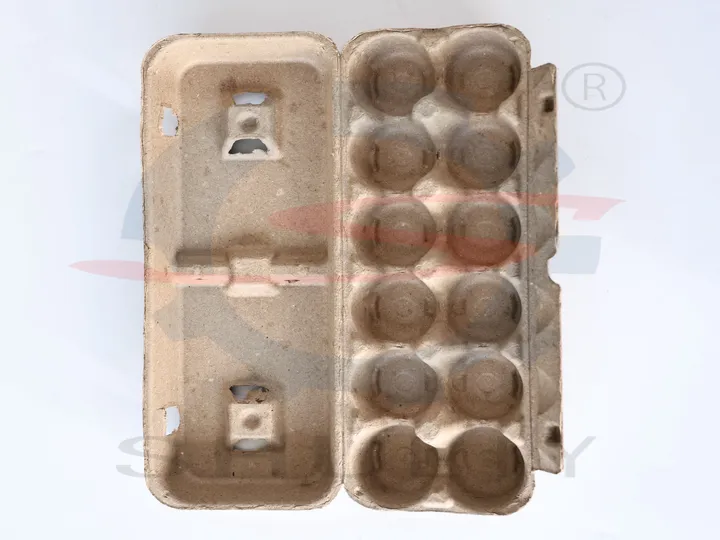
- 4-cell, 6-cell, 8-cell, 12-cell, 20-cell, and 30-cell egg trays
- Egg cartons with lids
- Fruit trays and apple packaging
- Wine bottle trays
- Coffee cup trays
- Electronic component trays
- Disposable tableware bases
Mold changeover takes 30-60 minutes depending on product complexity.


Why Invest in an Egg Tray Production Line?
Lower packaging costs
Producing trays on-site eliminates supplier margins and transport costs. Nigerian operators report production costs of $0.03-$0.04 per tray compared with $0.08-$0.10 for purchased trays.
Stable supply
Farms no longer depend on external tray suppliers. Production scheduling becomes predictable.
Waste monetization
Cardboard and paper waste become raw material instead of disposal cost.
Scalable output
A single line can grow from 1,000 to 7,000 pieces per hour by upgrading the forming machine and dryer.
Low labor requirement
Automatic lines need 3-5 operators per shift, even at high output.
Environmental compliance
Paper trays are biodegradable and recyclable. This meets tightening packaging regulations in many markets.
Customer Pain Points and Shuliy Solutions
| Common Problem | Shuliy Solution |
|---|---|
| Unreliable tray suppliers | On-site production eliminates supply chain dependence |
| High labor costs | Automated lines reduce staffing to 3-5 workers |
| Unstable electricity | Variable frequency drives and 70% actual power draw reduce peak load |
| Limited factory space | Multiple dryer options including compact metal dryers |
| Uncertain raw material quality | Pulping system accepts mixed waste paper grades |
| Difficult machine installation | Shuliy provides drawings, video guidance, and on-site engineer support |
| Lack of technical knowledge | Operator training and documentation included |
Case Example: Nigerian Poultry Farm
A poultry farmer in Lagos installed an SL-4×8 egg tray production line with a brick dryer in 2023. The line produces 4,000 trays per hour on a 20-hour schedule.
Before installation, the farm purchased plastic trays at $0.08 per piece. After six months of operation:
- Production cost dropped to $0.035 per tray
- Daily output reached 32,000-40,000 trays
- The farm began supplying neighboring poultry operations
- Payback period was estimated at 1 week
This case shows how a properly sized line can turn packaging from a cost center into a profit center.
Why Choose Shuliy?
Proven Export Experience
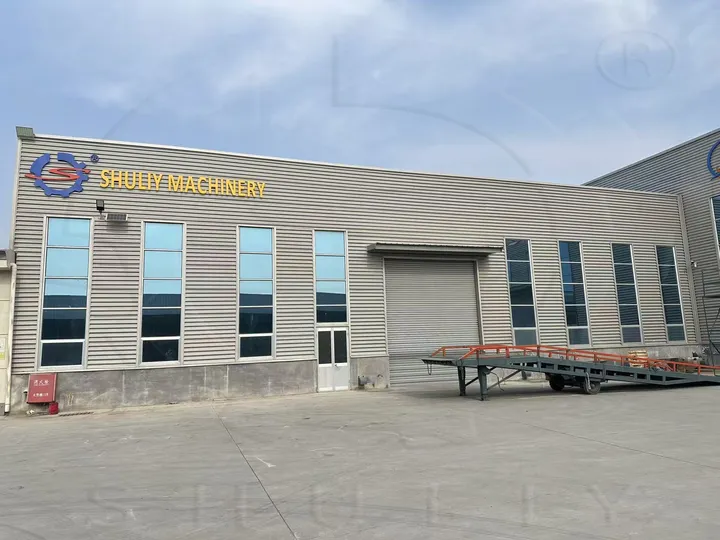
Shuliy has manufactured egg tray equipment for more than ten years. Machines operate in over 50 countries, including Nigeria, Kenya, Zambia, Cameroon, India, and Russia.
Factory Testing Before Shipment
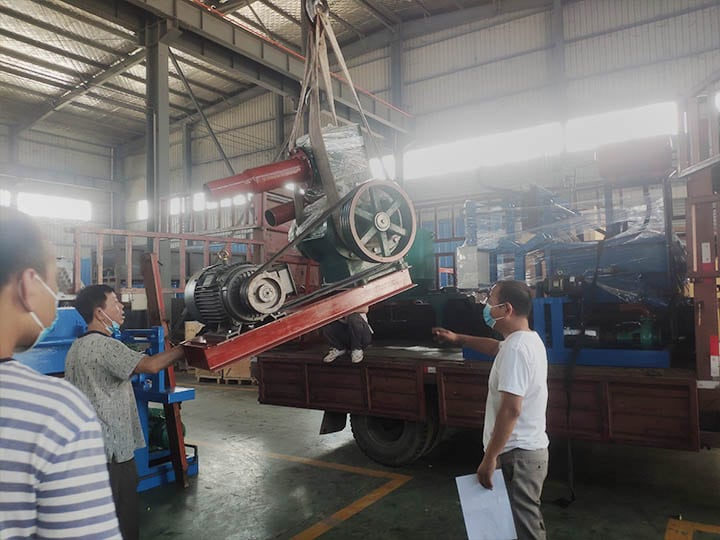
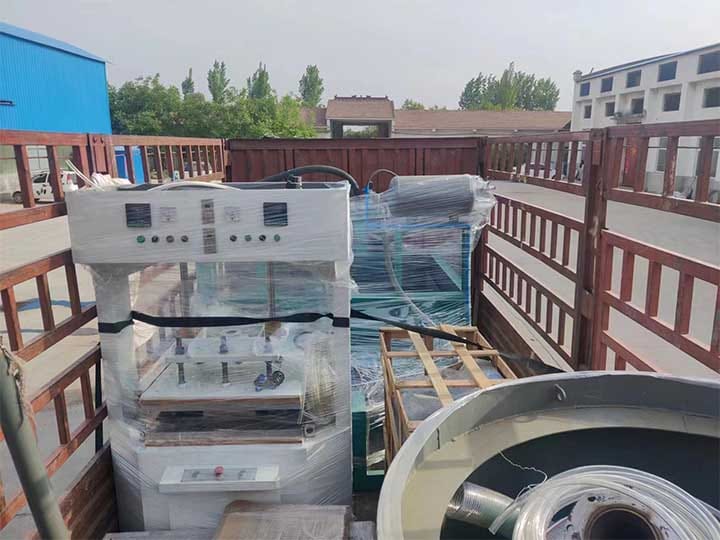
Every production line is assembled and tested before container loading. This reduces commissioning time on the customer’s site.
Installation and Training Support
Shuliy engineers can travel to the customer’s country for installation guidance and operator training. Remote video support is also available for customers with local technical staff.
Certified Equipment
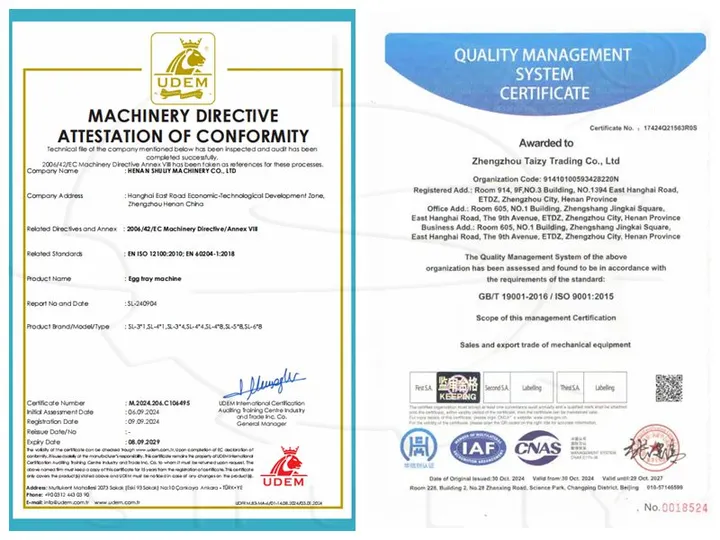
Machines carry CE certification and are manufactured under ISO 9001 quality management. Electrical components use recognized international brands.
After-Sales Service
- 12-month warranty on mechanical and electrical parts
- Lifetime technical support
- Spare parts available by air freight
- Multi-language service team
Frequently Asked Questions
How do I choose between natural drying, brick dryer, and metal dryer?
Natural drying works for outputs below 1,500 pieces per hour in sunny, low-humidity regions. Brick dryers suit commercial lines producing 2,000-7,000 pieces per hour. Metal dryers are best when factory space is limited and output is high.
Can one production line make both egg trays and egg cartons?
Yes. The same line produces both by changing the forming and transfer molds. Egg cartons require deeper molds and a lid-forming die.
How much floor space does a complete line need?
A small line with sun drying needs 200-400 m². A brick dryer line producing 3,000-4,000 pieces per hour needs 800-1,500 m², including drying area and raw material storage.
What voltage does the line require?
Standard configuration is 380V / 50Hz three-phase. Other voltages such as 220V or 415V can be accommodated with motor and control adjustments.
How long does delivery take?
Production time is 25-40 days after order confirmation. Sea freight adds 20-40 days depending on destination. Total lead time is typically 45-80 days.
Is wastewater treatment required?
Most water recirculates within the pulping system. A small bleed stream can be managed with a simple settling tank. Full wastewater treatment is only required in environmentally sensitive areas.
What is the typical payback period?
Most commercial operators recover their investment in 12-24 months. Payback depends on local tray prices, labor costs, fuel costs, and daily operating hours.
Can Shuliy design the factory layout?
Yes. Shuliy provides factory layout drawings based on the customer’s building dimensions and chosen line configuration.
Related Equipment
Egg Tray Production Line with Brick Dryer
This integrated full-automatic pulp molding assembly comes with 5 standard SL models, achieving hourly output of 1,000–7,000 standard egg trays with total installed power of 74–186kW. The whole machine adopts thickened carbon steel framework, matched with refractory brick tunnel dryer that maintains constant drying temperature at 180–200℃. The complete set covers waste paper pulping, vacuum forming, continuous mesh belt drying and automatic stacking links. Apart from 49-cell egg trays, it can produce fruit packaging trays, bottle buffer holders and disposable pulp tableware via mold replacement. Supporting natural gas, coal and firewood multiple heat sources, the line realizes closed water circulation and unmanned continuous production, supplying uniform, rigid biodegradable pulp trays for poultry farms, packaging factories and cross-border export processing enterprises.
Core Advantages
- Low-Cost Raw Material Utilization: All waste paper types are usable without extra chemical additives; circulating water system cuts freshwater consumption, greatly lowering raw material expenditure.
- Integrated Brick Kiln Drying Design: Pre-matched brick tunnel dryer eliminates separate drying workshop construction, slashing civil engineering investment and shortening factory construction cycle.
- Diversified Heating Source Matching: Compatible with gas, coal and biomass fuel, flexible to fit local fuel cost and supply conditions, reducing long-term energy operation expense.
- Gradient Capacity Customization: Five models cover small family workshops to large export factories, enabling clients to select exact throughput without over-investment on redundant capacity.
- Intelligent PLC Automatic Control: Touchscreen centralizes regulation of pulping, forming speed and drying temperature; only 2–4 operators per shift to minimize labor cost.
- Stable Uniform Finished Quality: Multi-angle circulating hot air inside brick kiln avoids uneven drying; vacuum cold pressing reduces tray moisture, improving hardness and shaping consistency.
- Complete Customization & After-Sales Service: 12-month full machine warranty with online debugging and on-site installation training; tray molds, line length and heating mode can be tailored according to factory space and product demands.