
Máquina de Bandeja de Ovos Pequena de 1000-1500 peças/h
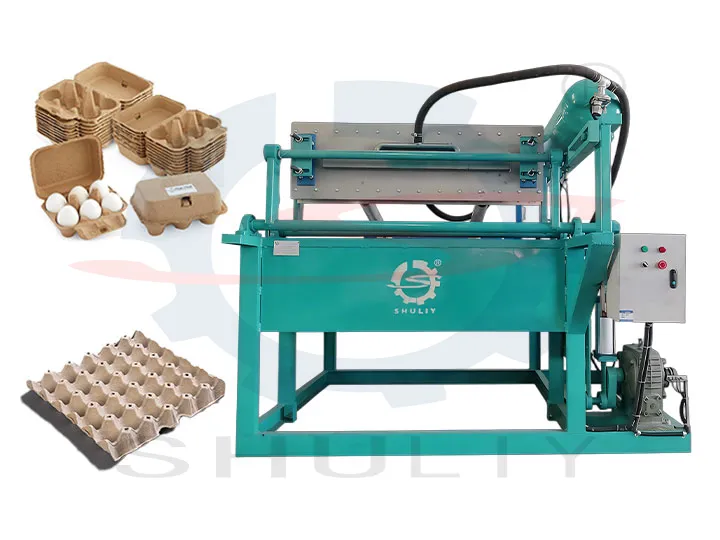
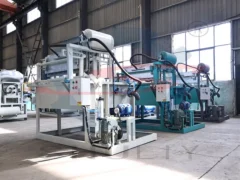
| Modelo | SL-3*1, SL-4*1 |
| Capacidade | 1000-1500pcs/h |
| Consumo de água | 300kg/h-380kg/h |
| Consumo de papel | 120-160kg/h |
| Consumo de eletricidade | 32kw/h-45kw/h |
| Quantidade de trabalhadores | 3-4 |
| Garantia | 12 meses |
Agora você pode perguntar aos nossos gerentes de projeto sobre detalhes técnicos
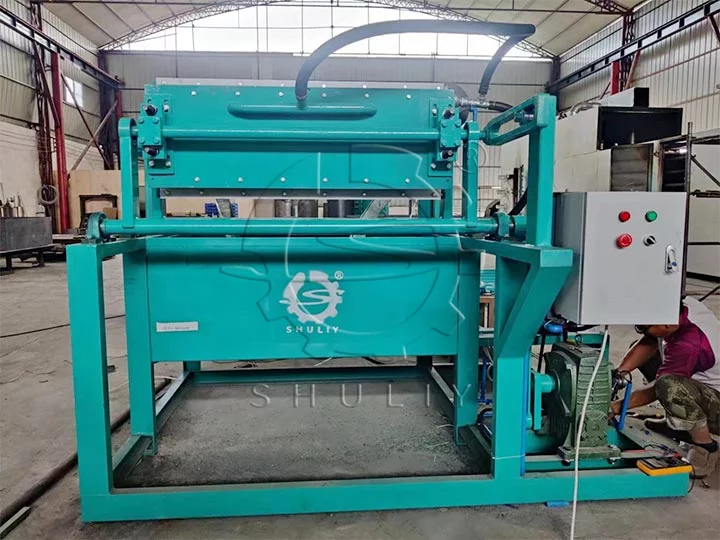
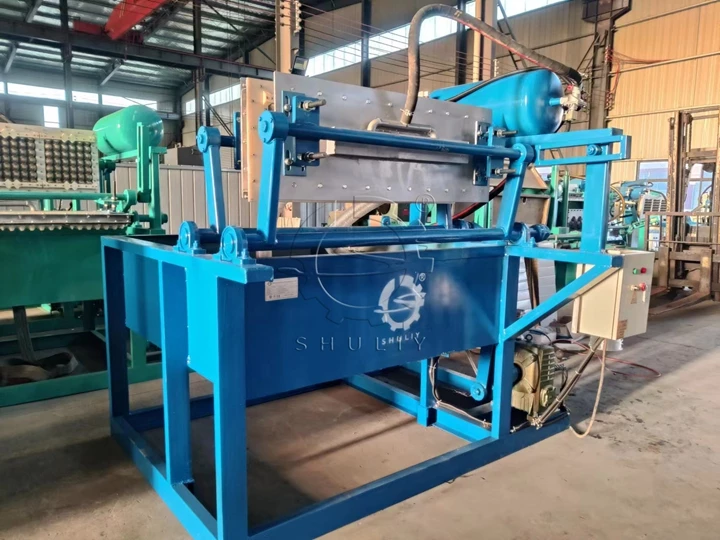
The small egg tray machine, also called a single-sided egg tray machine, mainly uses waste paper, cardboard, old books, and other fiber materials. It produces various egg trays, such as 30-hole and 20-hole trays, with an output of 1,000–1,500 pieces per hour through pulp molding.
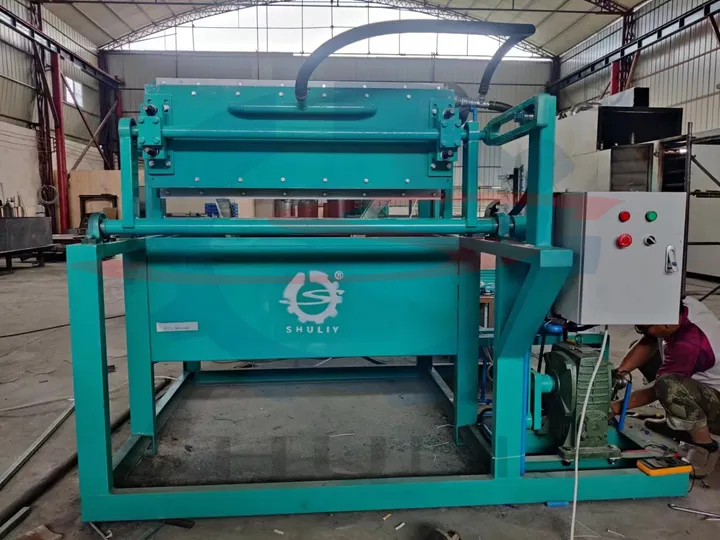
This small egg tray machine is ideal for small poultry farms, large-scale chicken farms, and start-up egg processing businesses. It has low output, low investment, low energy consumption, and is easy to operate. With a fast return on investment, it is the first choice for many users and is popular in over 50 countries, including Nigeria, Brazil, Cuba, Colombia, Russia, Saudi Arabia, Morocco, Ghana, and South Africa.
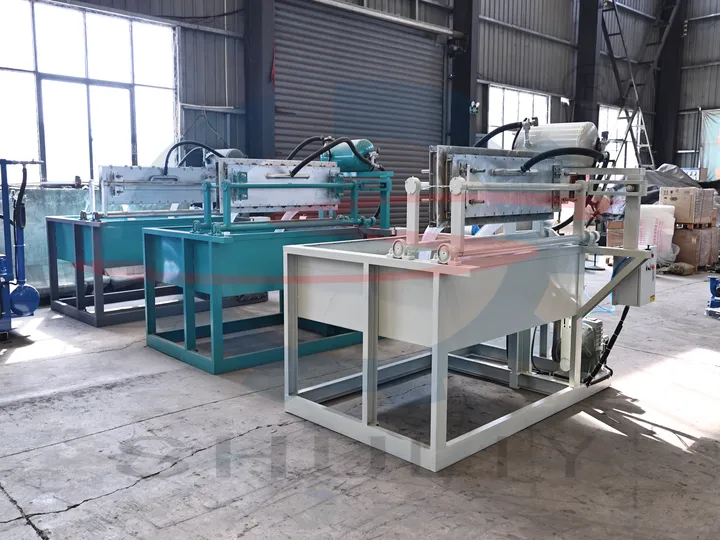
Shuliy’s best-selling small egg tray making machines are the SL-3*1 e SL-4*1. Below, I will introduce these two models in detail.
Why Is This Small Egg Tray Machine Also Called a Single-Side Egg Tray Making Machine?
This small egg tray machine is also known as a single-side egg tray making machine because it is equipped with only one forming mold and one transfer mold. All wet egg trays complete the pulp suction, molding, and demolding processes on the same side. This compact egg tray machine can close the molds 6–8 times per minute, with an output of 18–32 trays per minute.
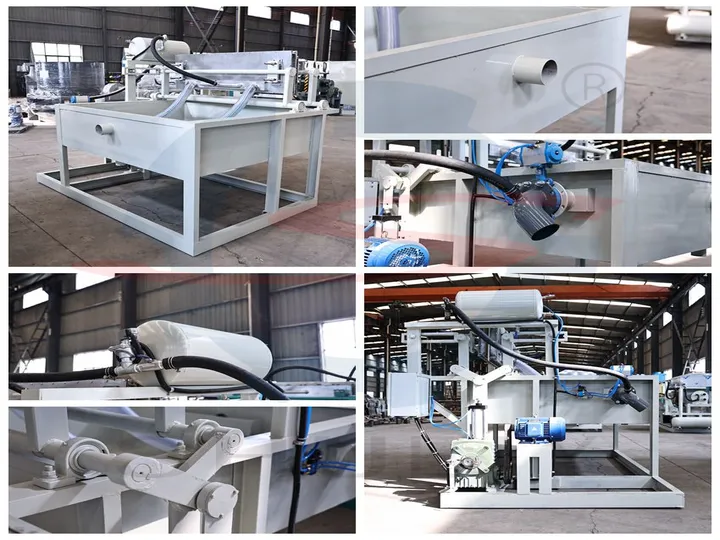
Compared with multi-side machines (such as four-side, eight-side, or twelve-side machines), the single-side egg tray machine features a simpler structure, smaller footprint, and lower energy consumption. Therefore, it is an ideal choice for poultry farms and small businesses looking to upgrade from old egg tray production equipment.
Due to its single-side molding process, the production output per cycle is moderate, reaching approximately 1,000–1,500 pieces per hour. In addition, this machine is easy to operate and requires less maintenance, making it suitable for beginners and small-scale egg tray production projects.
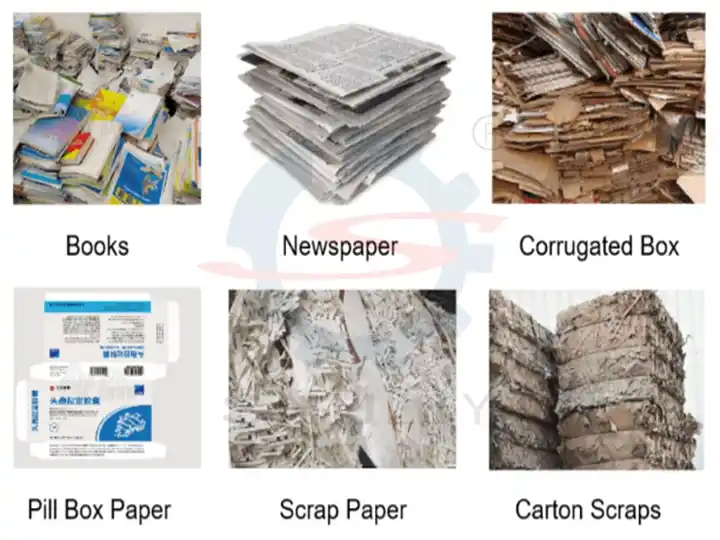
Matérias-primas para produção de bandejas de ovos
Small egg tray machines mainly use fiber materials such as waste paper, kraft paper, corrugated paper, and cardboard as raw materials. The production process mainly involves physical processing, including pulping, molding, and drying, to finally produce finished egg trays. Generally, the weight of one egg tray is about 60–80 g. According to calculations from the Shuliy factory, one ton of waste paper can produce approximately 12,000 egg trays, making this solution highly attractive for businesses seeking a fast return on investment. In many cases, the investment can be recovered within about one week.
According to customer requirements, waterproofing agents or strengthening additives can be added to the pulp to improve the moisture resistance and durability of the trays. These additives remain stable in the products after drying and do not cause chemical reactions, discoloration, or unpleasant odors.
Therefore, both the raw materials and the production process are environmentally friendly. Egg trays are fully biodegradable, do not cause secondary pollution, and meet the growing demand for sustainable and eco-friendly packaging solutions.
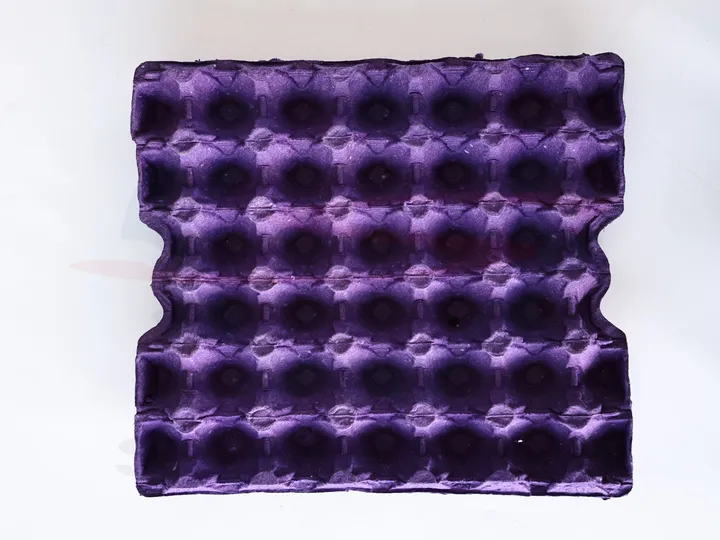
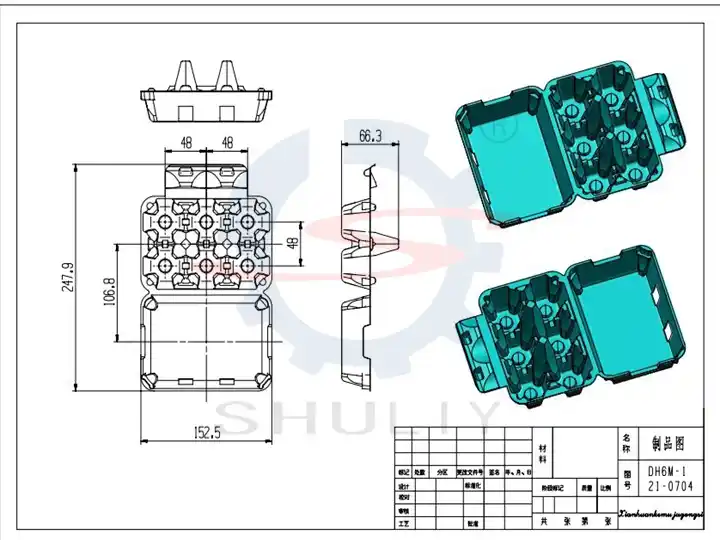
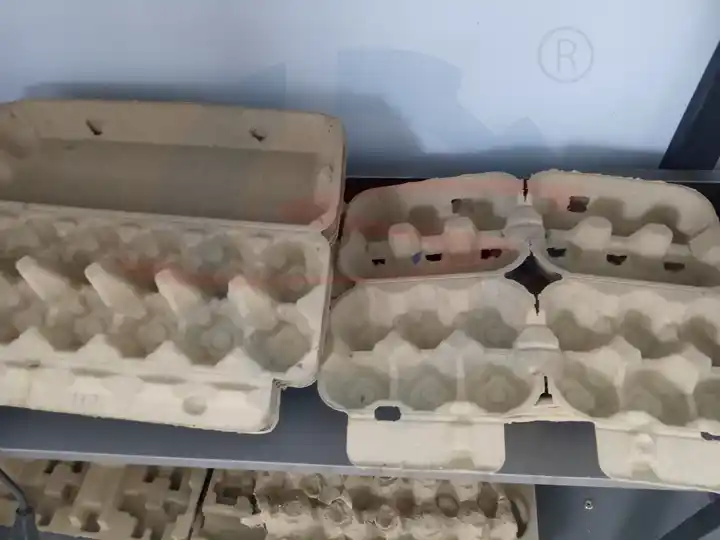
What Finished Products Can Shuliy Small Egg Tray Machines Produce?
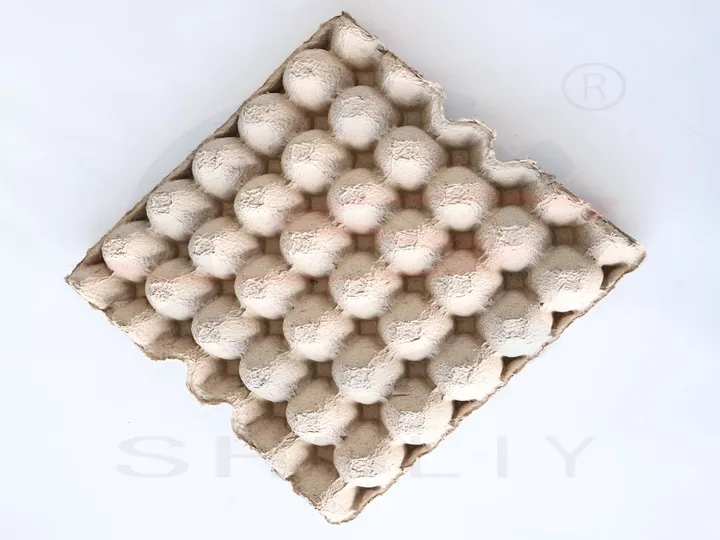
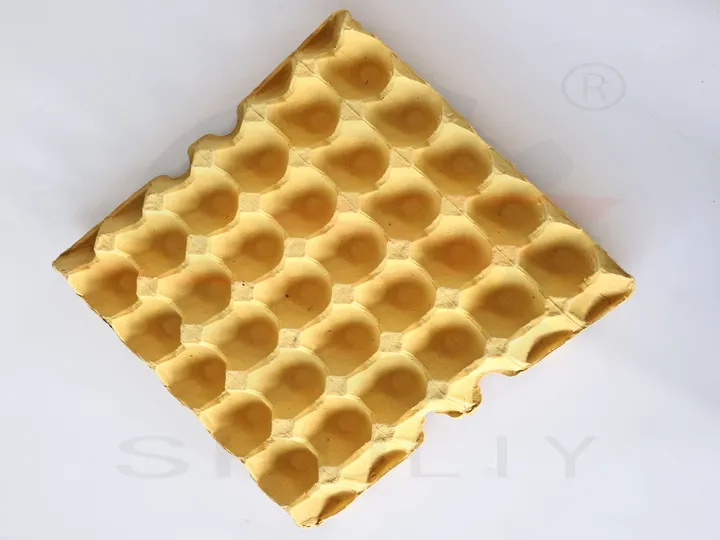
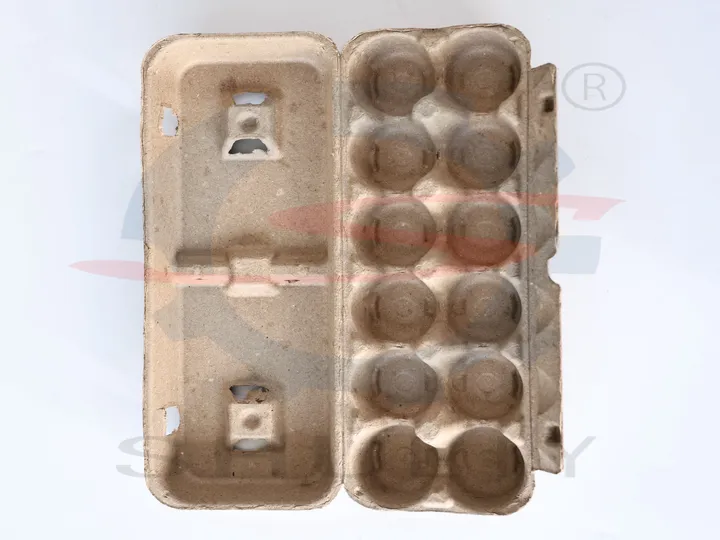
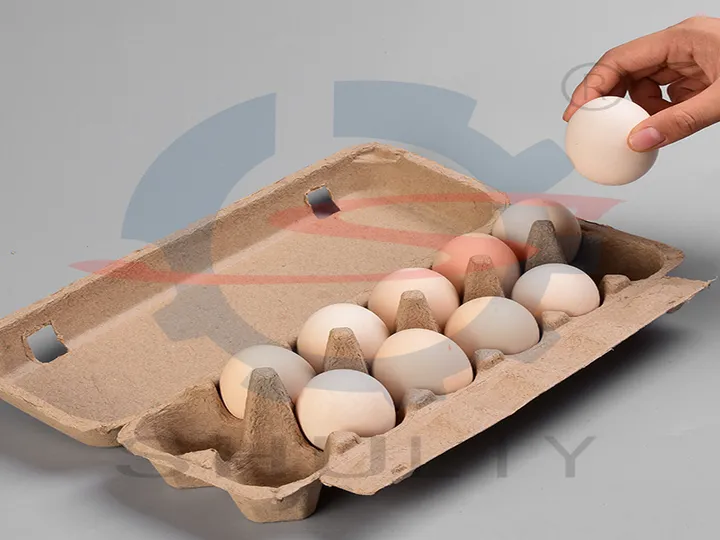
How Does a Small Pulp Molding Egg Tray Machine Make Egg Trays?
The small pulp molding egg tray machine works mainly through four steps: pulping, molding, demolding, and drying. First, waste paper, corrugated paper, and other raw materials are mixed with water in the right ratio to make a uniform pulp. Stirring and beating ensure the fibers are fully dispersed.
Depois, a polpa é entregue a um molde de formação de um lado. Sob sucção a vácuo, a polpa adere uniformemente à superfície do molde, formando rapidamente uma bandeja de ovos úmida. A bandeja úmida é então desmoldada e enviada ao sistema de secagem (secagem ao ar ou câmara de secagem) para remover a umidade, produzindo bandejas de ovos fortes, planas e uniformes.
Todo o processo é físico, sem produtos químicos nocivos, tornando-o ecológico e eficiente. Cada ciclo pode produzir várias bandejas ao mesmo tempo, com baixo consumo de água e papel, ideal para produção de alta eficiência em pequena escala.
Tipos de Máquinas de Fabricação de Bandejas de Ovos Pequenas
Type 1: SL-3*1 Small Egg Tray Machine
The SL-3×1 small egg tray forming machine consists of one transfer side and three forming sides. The transfer side is responsible for conveying wet pulp, while the three forming sides mold wet paper trays simultaneously. Each production cycle can produce 3 egg trays, with an output capacity of up to 1,000 pieces per hour.
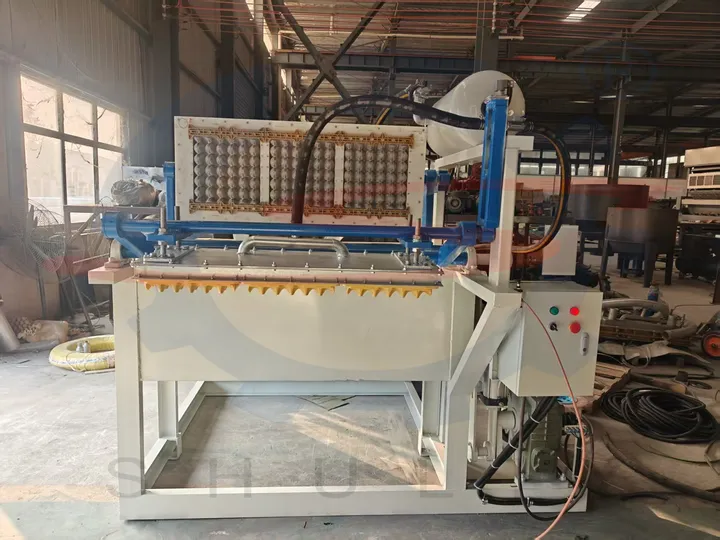
Technical Parameters of SL-3*1 Small Egg Tray Making Machine
| Item | Parâmetro |
|---|---|
| Modelo | SL-3*1 |
| Saída | 1.000 bandejas/hora |
| Potência | 38 kW |
| Tensão | 380V / 50Hz |
| Peso | 2.500 kg |
| Tamanho da Máquina Principal | 2.600 × 2.200 × 1.900 mm |
| Consumo de Papel | 80 kg/h |
| Consumo de Água | 160 kg/h |
| Método de Secagem | Secagem ao ar / Caixa de secagem |
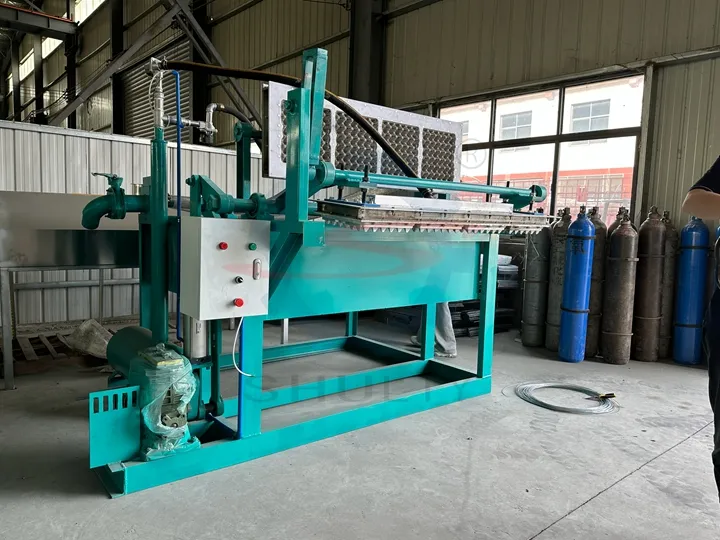
Type 2: SL-4*1 Small Egg Tray Machine
The SL-4×1 small egg tray making machine consists of one transfer side and four forming sides. The transfer side conveys wet pulp, while the four forming sides simultaneously mold the pulp into egg trays. Each production cycle can produce 4 egg trays.
Compared with the SL-3×1 model, this machine provides higher production capacity while maintaining a simple structure and easy operation. It is suitable for small and medium-scale egg tray production lines. The output capacity can reach 1,500 pieces per hour.
Technical Parameters of SL-4*1 Small Egg Tray Machines
| Item | Parâmetro |
|---|---|
| Modelo | SL-4*1 |
| Saída | 1.500 bandejas/hora |
| Potência | 38 kW |
| Tensão | 380V / 50Hz |
| Peso | 3.000 kg |
| Tamanho da Máquina Principal | 2.800 × 2.200 × 1.900 mm |
| Consumo de Papel | 120 kg/h |
| Consumo de Água | 240 kg/h |
| Método de Secagem | Secagem ao ar / Câmara de secagem |
Principais Diferenças Entre as Duas Máquinas
| Item de Comparação | SL-3*1 | SL-4*1 |
|---|---|---|
| Posições do molde | 3 | 4 |
| Saída | 1.000 bandejas/hora | 1.500 bandejas/hora |
| Potência Total | 38 kW | 38 kW |
| Peso da Máquina Principal | 2.500 kg | 3.000 kg (mais estável) |
| Consumo de Papel | 80 kg/h | 120 kg/h |
| Consumo de Água | 160 kg/h | 240 kg/h |
| Configuração de Secagem | Secagem ao ar / Caixa de secagem | Secagem ao ar / Câmara de secagem (para maior produção) |
| Adequado para | Fazendas pequenas / Startups | Fábricas de pequenas a médias bandejas de ovos / Expansão de capacidade |
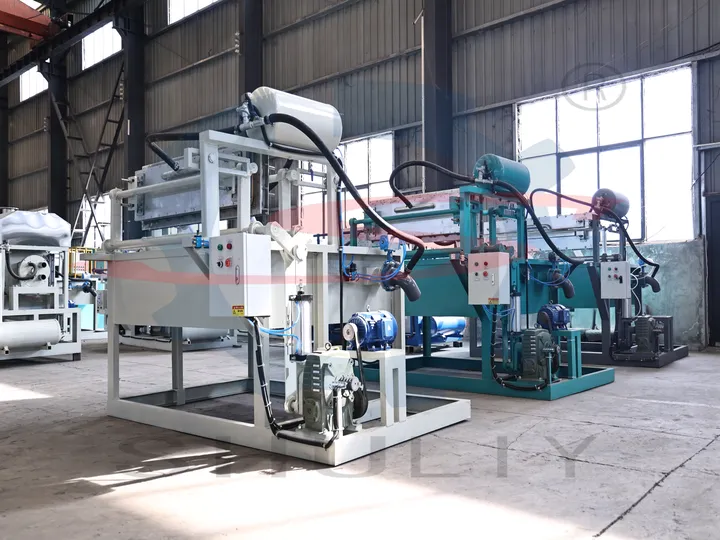
Vantagens das Máquinas de Bandejas de Ovos Pequenas
Simple and Stable Structure
As máquinas usam sistemas de formação de um lado 3×1 ou 4×1, que são compactos e têm baixa taxa de falhas.
- SL-3*1: 3 posições de molde
- SL-4*1: 4 posições de molde
O sistema de um lado reduz as partes de rotação e transmissão, garantindo operação estável e manutenção fácil.
High Efficiency and Low Energy Consumption
Ambos os modelos têm uma potência de 38 kW, produzindo de 1.000 a 1.500 bandejas por hora. A relação energia-resultado é razoável, tornando-os econômicos entre máquinas similares.
High Pulp Utilization
A formação por vácuo garante distribuição uniforme da polpa e alta eficiência de absorção.
- Consumo de papel: 80–120 kg/h
- Consumo de água: 160–240 kg/h (a maioria pode ser reciclada)
Durable Materials
A estrutura é feita de aço carbono Q235 espesso, pesando entre 2.500 e 3.000 kg, garantindo estabilidade e formação precisa.
Os moldes podem ser de alumínio ou cobre, resistentes à corrosão, resistentes ao calor, duráveis e formam bandejas limpas.
Flexible Drying Options
A secagem pode ser adaptada à produção e ao clima:
- Secagem ao ar (baixo custo, adequada para áreas ensolaradas)
- Caixa de secagem (para SL-3*1)
- Câmara de secagem (recomendada para SL-4*1)
Configuração flexível atende a várias necessidades de produção em pequena escala.
Stable and Reliable Output
Formação por vácuo de precisão garante quantidade e qualidade consistentes de bandejas por ciclo.
- SL-3*1: 1.000 bandejas/hora
- SL-4*1: 1.500 bandejas/hora
As bandejas úmidas são uniformes e consistentes; as bandejas secas são planas, resistentes e reduzem retrabalho, melhorando a eficiência geral da produção.
Linha de produção de bandejas de ovos pequenas
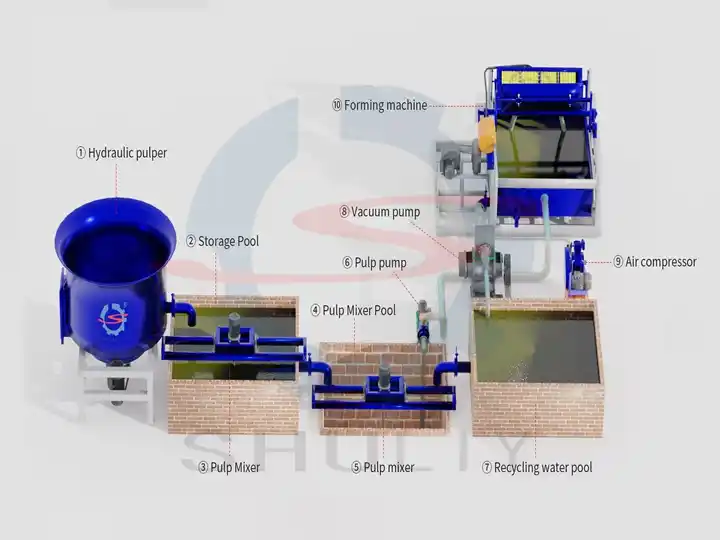
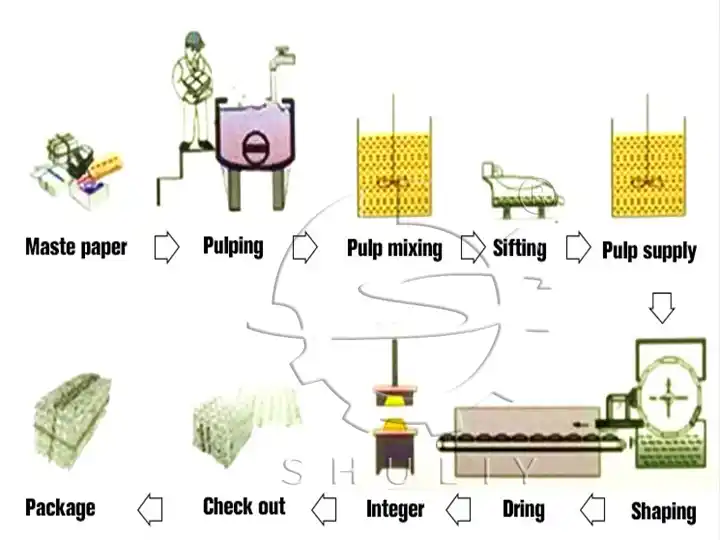
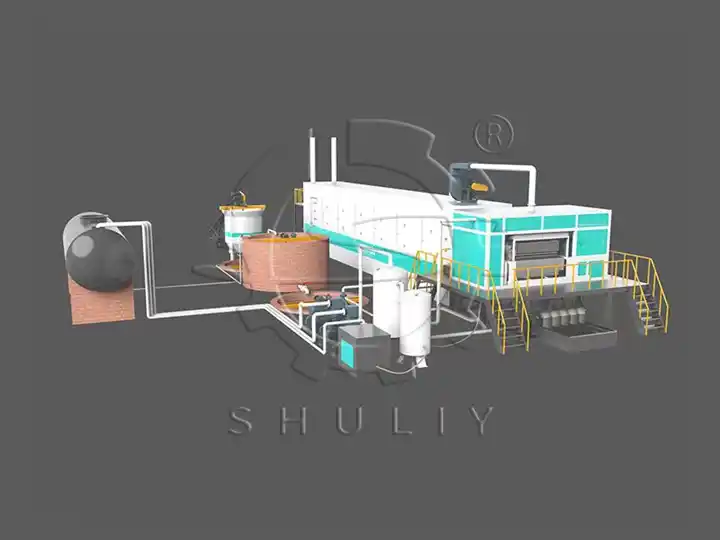
The small linha de produção de bandejas de ovos mainly consists of the following parts:
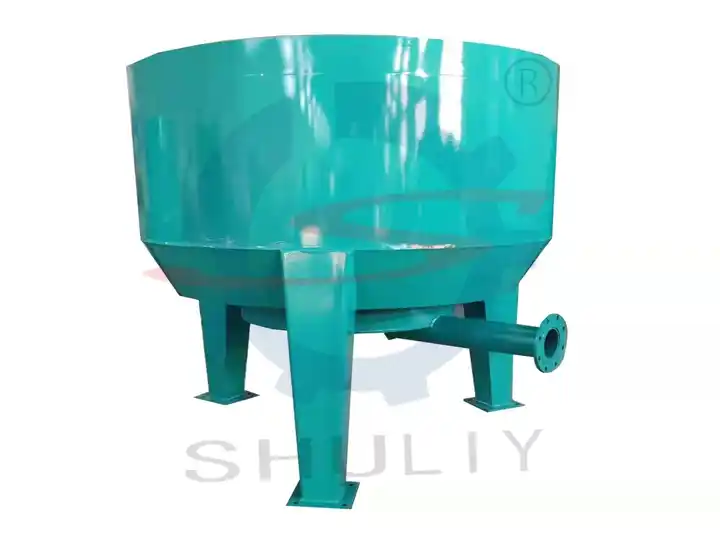
Sistema de Desagregação
Waste paper such as newspapers, corrugated paper, and kraft paper is mixed with water, then stirred and crushed to form a uniform pulp mixture.
The pulp concentration can be adjusted according to production requirements, and a small amount of waterproofing agent can be added to improve moisture resistance. The maximum recommended water-to-paper ratio is 5:1, while the optimal ratio is generally around 10:1. A higher pulp concentration means more waste paper can be processed with less water; however, if the concentration is too high or too low, the final egg trays may not form properly.
During egg tray production, not only the pulp concentration needs to be properly controlled, but the pulp must also be thoroughly mixed and refined. In general, the pulping process takes approximately 20–40 minutes to achieve a uniform pulp consistency suitable for molding.
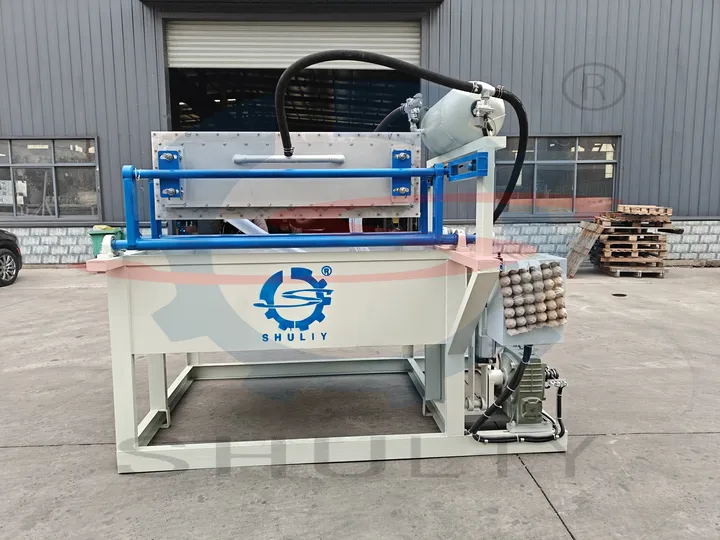
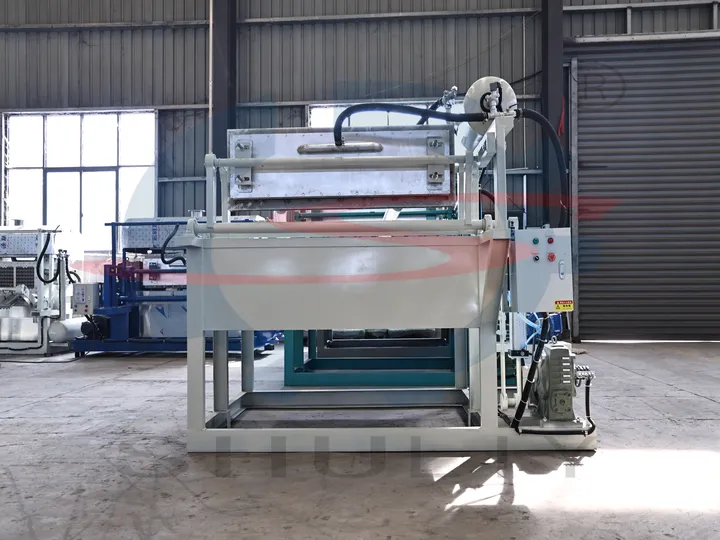
Sistema de Formação
Moldes de um lado (3*1 ou 4*1) com sucção a vácuo são usados para formar uniformemente as bandejas úmidas.
Cada ciclo pode formar várias bandejas ao mesmo tempo, melhorando a eficiência de produção.
Sistema de Secagem
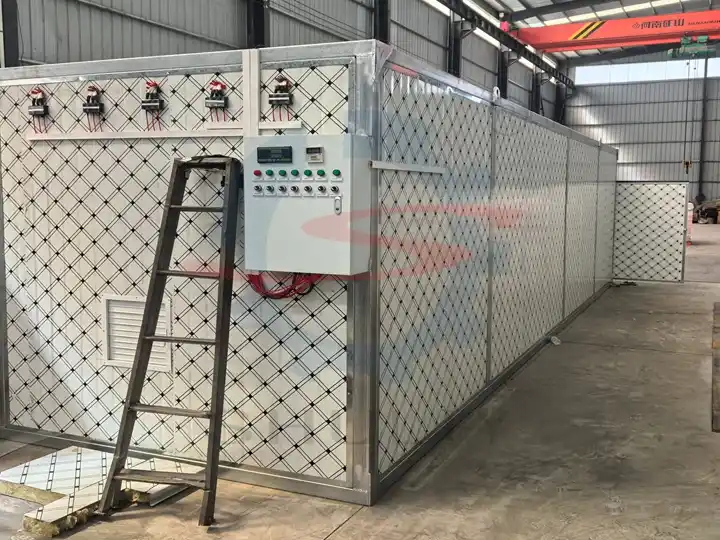
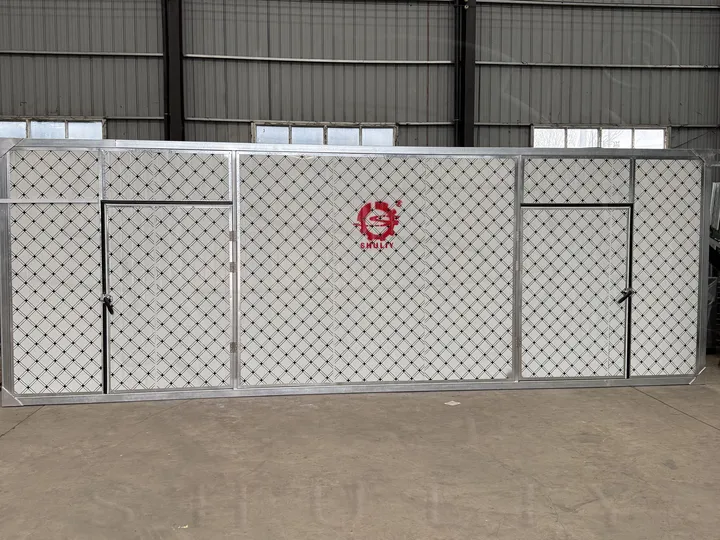
This egg tray drying room can dry approximately 1,000 egg trays per batch at 180–200°C, with a drying time of 30–40 minutos.
After molding, the wet egg trays are placed on galvanized trays, loaded onto drying racks, and pushed into the drying room for hot-air drying. The room can hold 10–12 carts, with each cart carrying about 90–100 egg trays. An additional 10 carts can be equipped for continuous production.
Compared with natural sun drying, this method allows continuous production regardless of weather conditions, saves space, and improves drying stability. However, it requires more manual labor for tray loading, cart movement, and unloading.
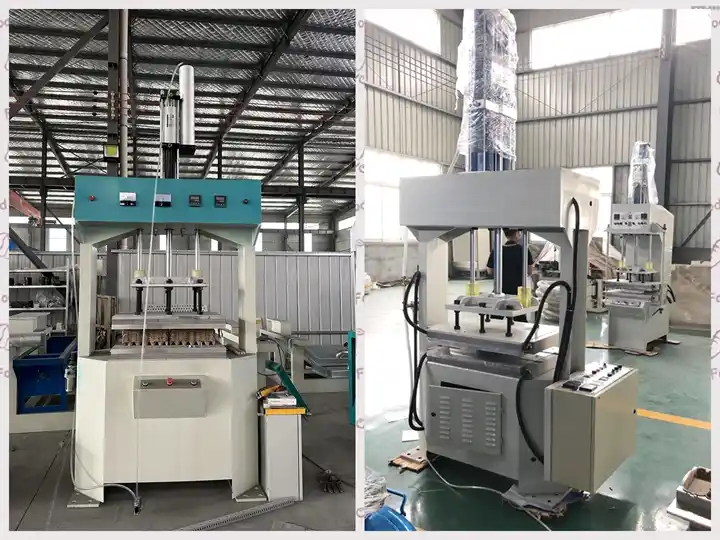
Prensagem a Quente (Opcional)
To achieve a smoother and more attractive surface, a small egg tray hot pressing machine can be used for further processing. This egg tray hot press molding machine uses electric heating to heat the pressing mold up to 200°C. Then, with a downward pressure of 20 tons from the hydraulic cylinder, it compresses the egg trays, making both sides of the trays smooth and evenly finished.
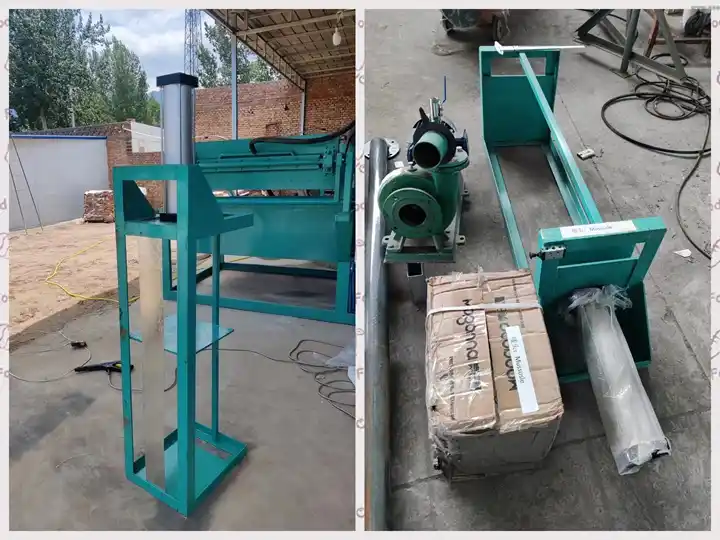
Packaging and Stacking
The egg tray packing machine provided by Shuliy uses a pneumatic cylinder to compress 70–120 egg trays into a compact stack. This process ensures that the stacked egg trays have a uniform length, making them easier to package, load, and transport.
O processo de produção completo é mostrado no diagrama.
Drying Methods Compatible with Small Egg Tray Making Machines
Small egg tray making machines usually use two main drying methods: natural sun drying and drying room drying. The suitable method depends on production capacity, local climate conditions, and investment budget.
Secagem ao Sol Natural
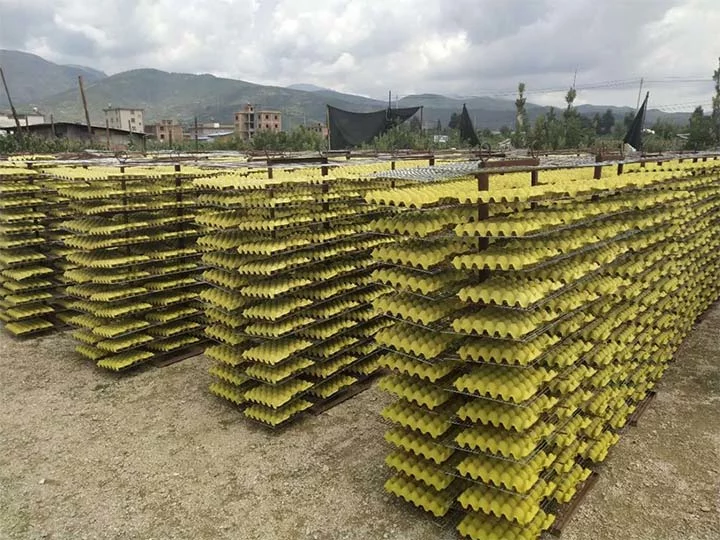
Natural drying is suitable for small-scale production of 1,000–2,000 egg trays per day, especially in areas with warm and dry climates. The drying time mainly depends on the weather conditions: at 30–35°C, egg trays usually need about 2 hours to dry; at around 25°C, drying may take about 5 hours; while in cold weather of 5–10°C, it may take up to 48 hours.
After molding, wet egg trays are placed on bamboo or galvanized trays, then loaded onto drying racks and moved to an open area. The trays are dried naturally through sunlight and airflow. Generally, 100–200 drying racks are required. Each rack can hold 24–30 mesh trays, and each mesh tray can hold 3–4 egg trays.
The main advantage of natural drying is that it requires no additional energy consumption, helping reduce production costs. However, it requires more labor, larger drying space, and depends heavily on weather conditions.
Drying Room / Cart Drying
For businesses requiring more stable production, a drying room or cart drying system is a better choice. This method can dry approximately 1,000 egg trays per batch at 180–200°C, with a drying time of about 30–40 minutos.
After molding, the wet egg trays are placed on galvanized trays, loaded onto drying racks, and pushed into the drying room for hot-air drying. The drying room can accommodate 10–12 carts, with each cart holding approximately 90–100 egg trays. An additional 10 carts can be prepared for continuous circulation.
Compared with natural drying, this method allows stable production regardless of wind or rain, requires less space, and improves drying efficiency. However, it requires more labor for tray handling, cart movement, and loading/unloading operations.
Serviços fornecidos pela Shuliy
A Shuliy oferece serviços completos para garantir operação eficiente e segura do equipamento:
- Design de Soluções: Personalize planos de linha de produção com base na produção e espaço para operação estável e eficiente.
- Instalação e Comissionamento: Fornecer orientação no local ou remota para colocar rapidamente o equipamento em uso.
- Treinamento de Operadores: Treinar operadores nos processos de polpação, formação, secagem e manutenção.
- Suporte Técnico e Peças de Reposição: Fornecer peças de reposição a longo prazo e suporte técnico por telefone ou remoto.
- Manutenção Pós-Venda: Fornecer inspeções regulares e sugestões de manutenção para prolongar a vida útil do equipamento.
- Personalização e Upgrades: Oferecer personalização de moldes, upgrades de equipamentos e serviços de expansão de linha de produção.
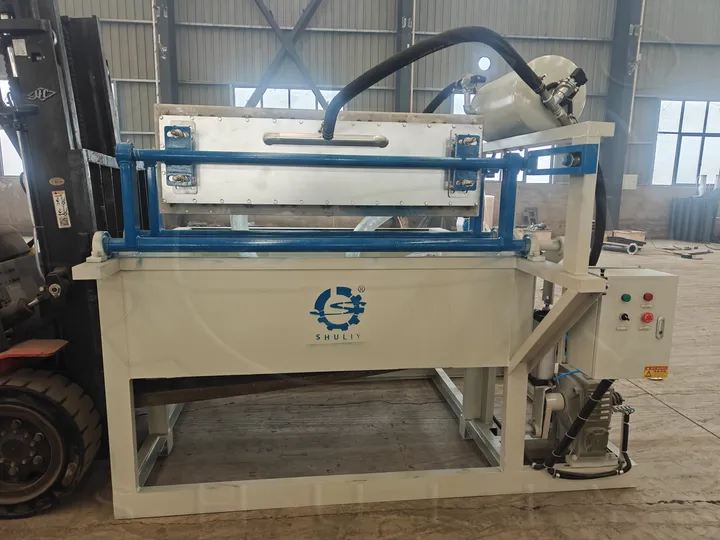
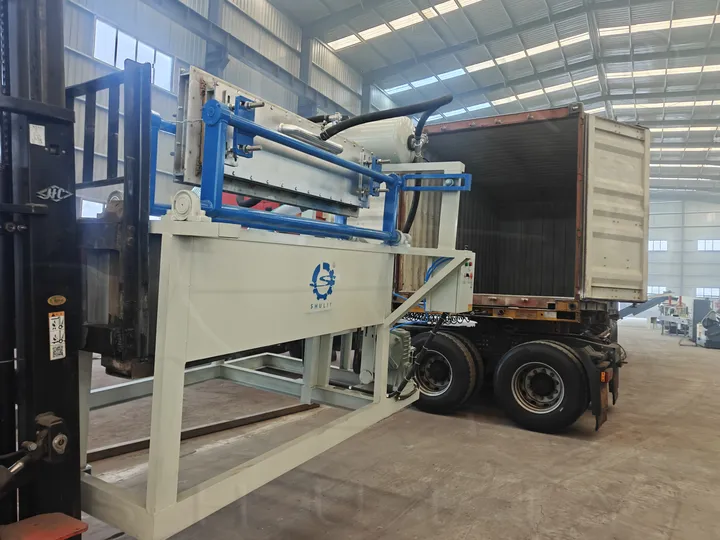
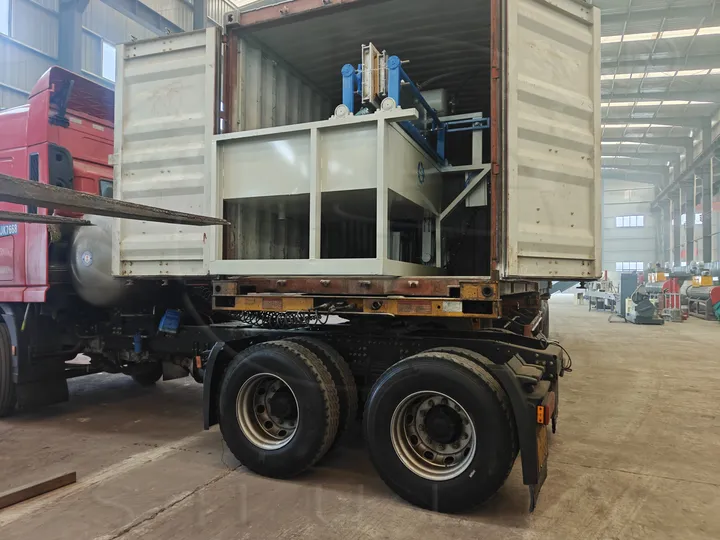
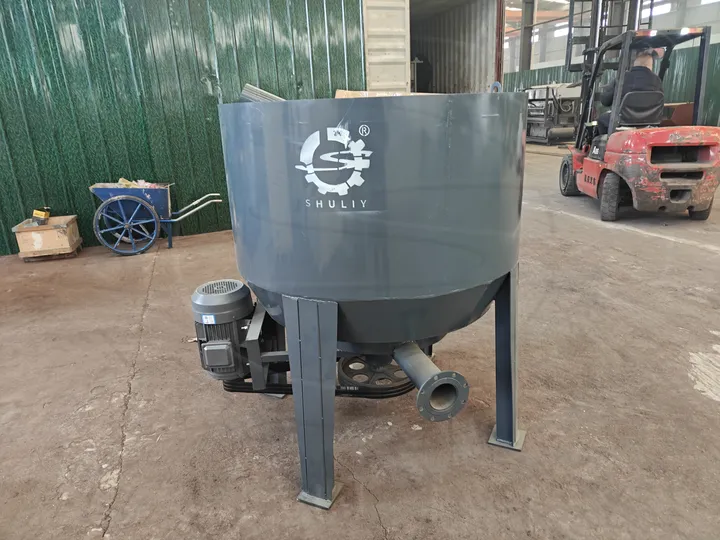
Máquina de Bandeja de Ovos 1500pcs/h Enviada para o Brasil
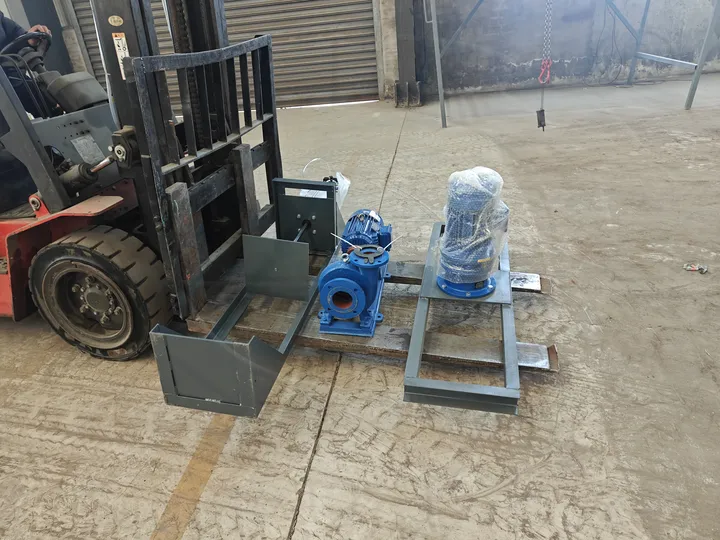
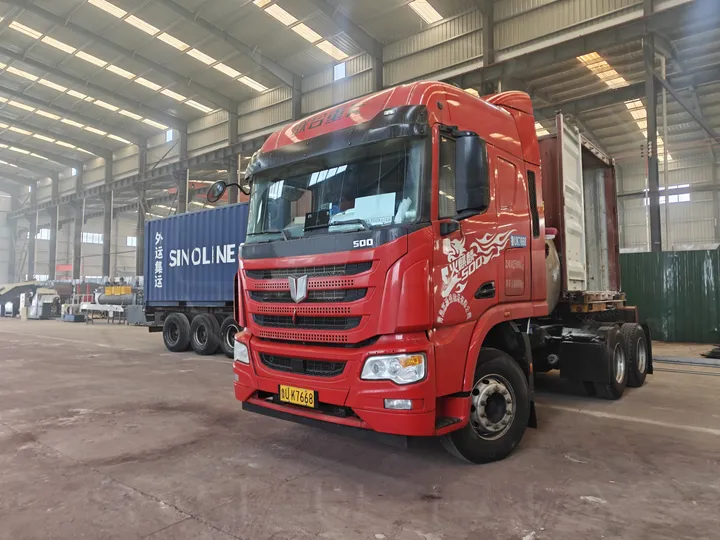
In 2026, a poultry farm in Paraná, Brazil, purchased Shuliy’s SL-1×4 egg tray making machine to produce eco-friendly paper egg trays in-house. Facing rising plastic packaging costs and increasing demand for sustainable solutions, the customer chose this 1500 pcs/h egg tray machine to improve packaging efficiency and reduce operating costs. The complete solution included the egg tray molding machine, pulping equipment, accessories, installation guidance, and technical support. After installation, the customer successfully upgraded from manual packaging to semi-automatic production, achieving higher productivity while reducing packaging expenses with recyclable pulp-based trays.
FAQ About Shuliy Small Egg Tray Machine
What is the standard size and egg diameter of the egg trays produced by this machine?
The standard 30-cell egg tray produced by this machine is approximately 29.5 × 29.5 cm, with a tray depth of about 46 mm. It is suitable for common egg sizes with diameters ranging from 44 mm to 50 mm. For larger eggs (up to around 52 mm), customized tray molds can be provided.
How much weight can one molded egg tray hold?
Although a standard egg tray usually weighs about 65–75 g, its molded pulp structure provides excellent strength. Under normal conditions, a finished egg tray can withstand the weight of an adult person without breaking when pressure is evenly distributed.
How much moisture does a finished wet egg tray contain after molding?
After the molding process, the moisture content of a wet egg tray is usually around 60–70%. For example, an 80 g egg tray contains approximately 160 g of water, making the total wet weight about 240 g before drying.
What is the production cost of one recycled paper egg tray?
The production cost depends on local waste paper prices, electricity costs, labor, and drying methods. Taking waste paper as an example, if 1 ton of waste paper costs $200 and produces around 12,500 pieces of 80 g egg trays, the raw material cost is approximately $0.016 per tray. Other costs should be calculated according to local conditions.
Can this small egg tray machine produce trays in different colors?
Yes. Different colors can be achieved by adding suitable pigments into the pulp mixing tank before molding. Common colors include blue, green, yellow, and red, which are often used for customized packaging or brand identification.
How can I make the egg trays stronger and harder?
To increase the strength and hardness of molded pulp egg trays, additives such as lime powder or agricultural fibers like bagasse (sugarcane residue) can be added to the pulp. Adjusting pulp concentration and drying conditions can also improve tray strength.
How long is the service life of the egg tray machine mold?
Under normal operating conditions, the molding mold can usually be used for about 2 years or longer. The actual lifespan depends on production frequency, maintenance, and whether abrasive materials enter the pulp system.
Which parts of the egg tray machine are made of stainless steel?
The parts include the mold chamber, pulp tank, machine cover, and mold wire mesh.
Can the egg tray machine be used for products other than egg trays?
Yes. By changing molds, the same pulp molding technology can produce other packaging products, such as fruit trays, bottle trays, coffee cup holders, and industrial protective packaging.
Does the egg tray production process require special environmental conditions?
The machine can operate in normal factory environments. However, a well-ventilated workshop with enough drying space is recommended because molded pulp products contain high moisture after forming and require effective drying before packaging.