
Máquina de fabricação de bandejas de ovo 2000-3000 peças por hora
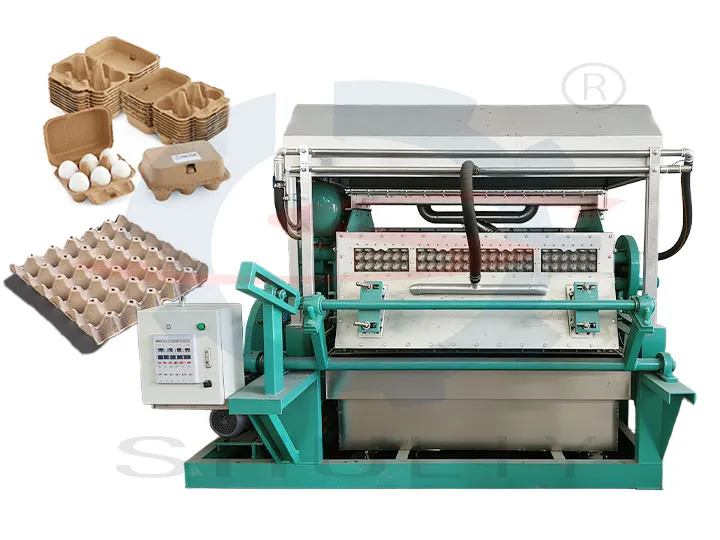
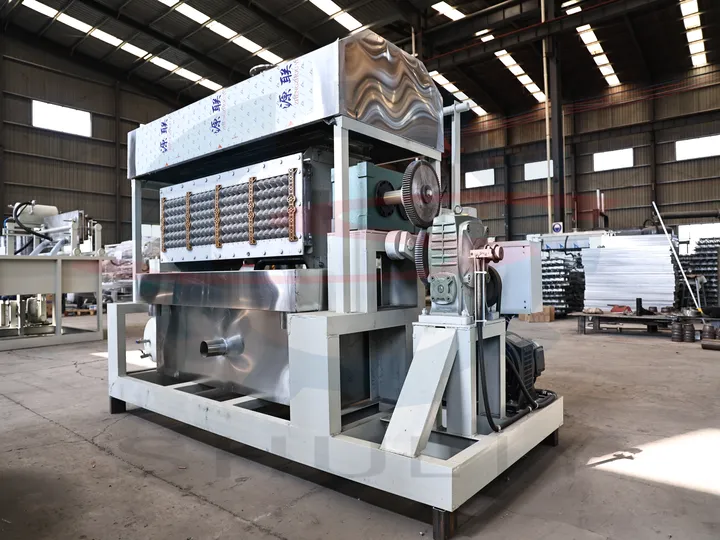
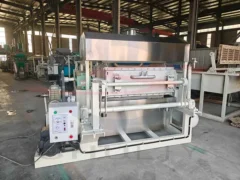
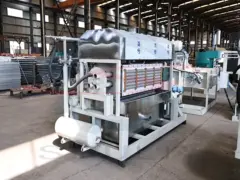
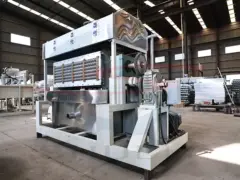
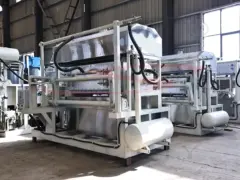
| Modelo | SL-3*4, SL-4*4 |
| Capacidade | 2000-3000 peças/h |
| Consumo de água | 400kg/h-480 kg/h |
| Consumo de papel | 200-240kg/h |
| Garantia | 12 meses |
Agora você pode perguntar aos nossos gerentes de projeto sobre detalhes técnicos
Uma 2000–3000 PCs/hr egg tray making machine is also called a multi-face rotary drum machine. It refers to a machine with multiple forming surfaces that can produce pulp egg trays quickly and efficiently, with an hourly output of 2,000–3,000 pieces.
Shuliy offers this type of egg tray making machine in two models: SL-3*4 and SL-4*4. The SL-3*4 model has an output of 2,000–2,500 pieces per hour, while the SL-4*4 model produces 2,500–3,000 pieces per hour. Like many pulp egg tray machines, this 2,000–3,000 PCs/hr egg tray machine uses paper pulp to produce egg trays.
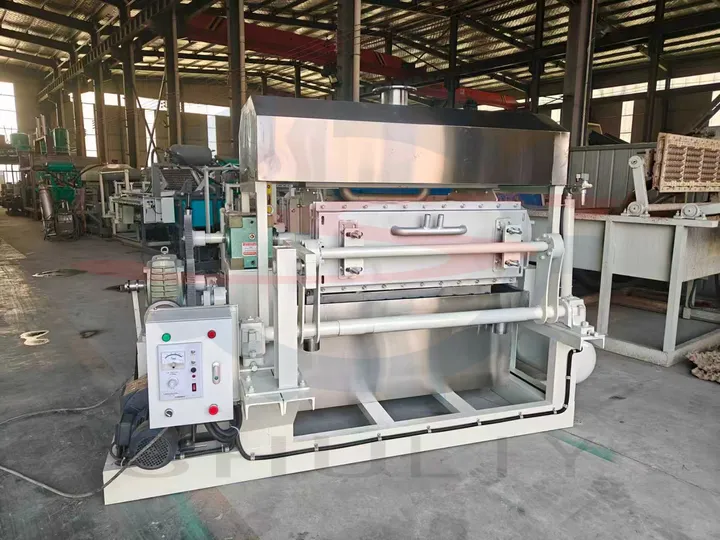
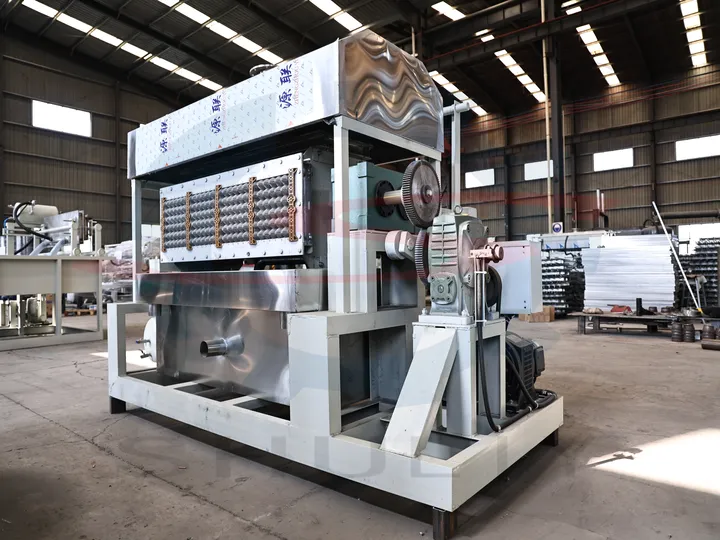
This medium-capacity egg tray making machine is suitable for small or medium egg tray factories. If large-scale production is required, a 4,000–8,000 PCs/hr egg tray making machine can be selected.
Shuliy’s popular 2,000–3,000 PCs/hr egg tray forming machine attracts customers from more than 50 countries and regions, including Brazil, the United States, Russia, Saudi Arabia, Nigeria, Ghana, and South Africa, thanks to its durability and high output of high-quality egg trays.
Why is the 2,000–3,000 PCs/hr Egg Tray Machine Called A Multi-side Rotary Drum Machine?
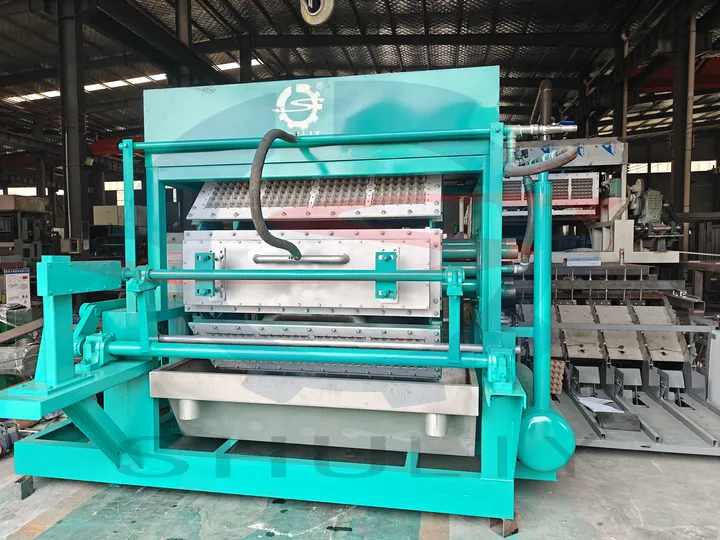
Uma máquina de tambor rotativo multi-face refere-se a uma máquina de fabricação de bandejas de ovos com um design de tambor rotativo na seção de formação. O tambor é o componente central de uma máquina de bandeja de ovos multi-face e geralmente é uma estrutura rotativa cilíndrica ou poligonal.
"Multi-lado" significa que o tambor possui múltiplas superfícies de transferência, cada uma com vários moldes de formação de bandejas de ovos. O tambor gira continuamente para alcançar alta velocidade de produção. A máquina de 2.000–3.000 peças/h tem quatro superfícies de formação.
Máquinas de formação de bandejas de vários lados geralmente possuem quatro ou oito superfícies. Em comparação com a máquina de 8 lados, a de quatro superfícies tem produção moderada, estrutura compacta, menor custo e operação mais simples, sendo adequada para fábricas pequenas e médias.
What Can This Egg Tray Machine Produce?
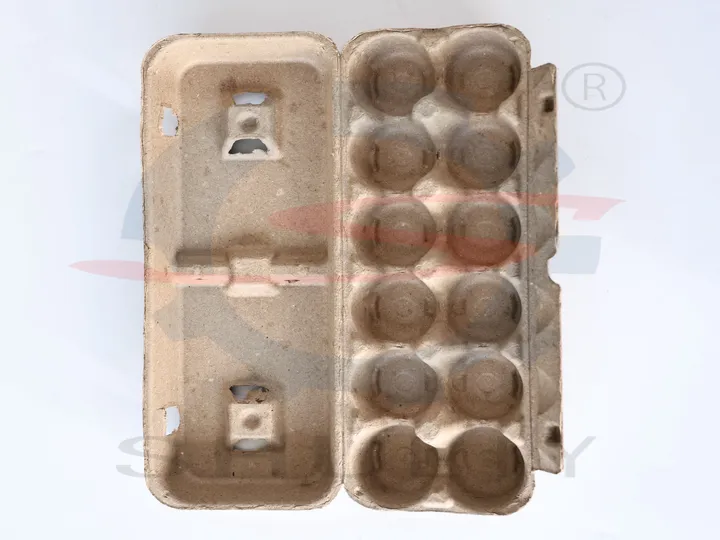
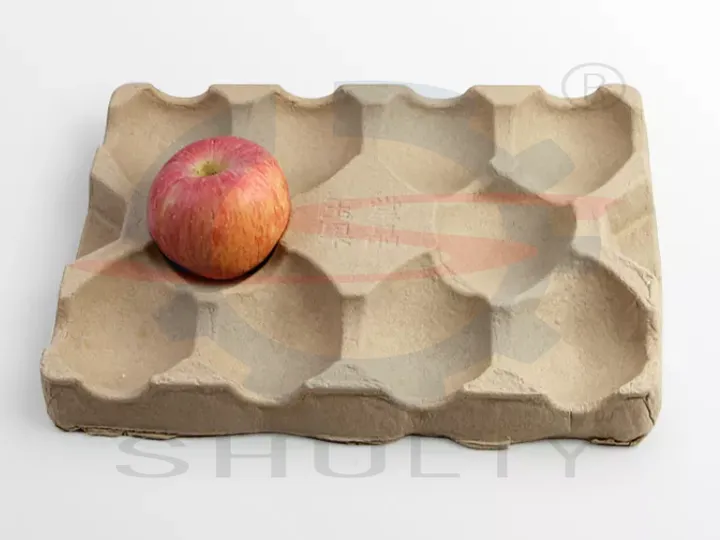
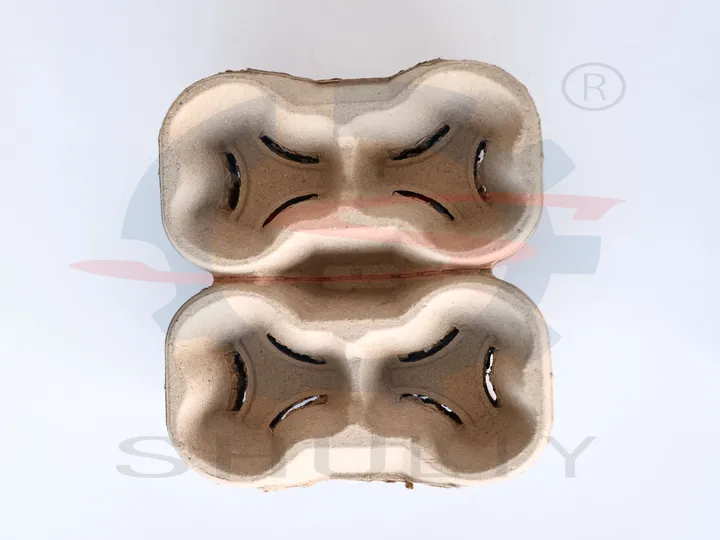
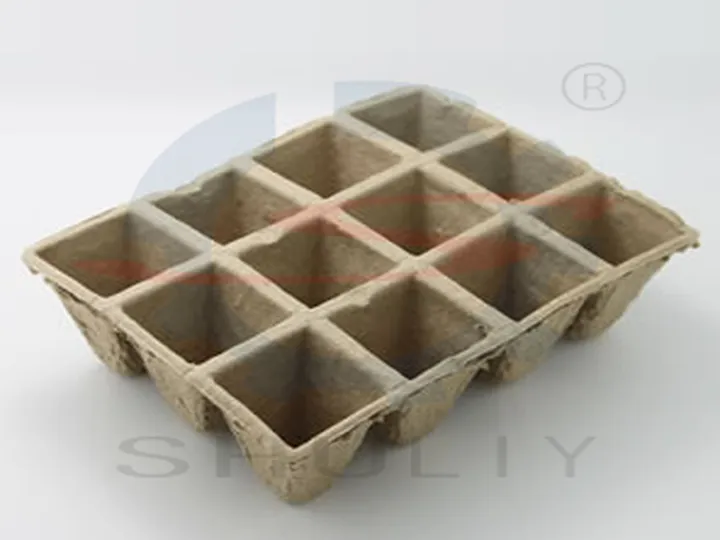
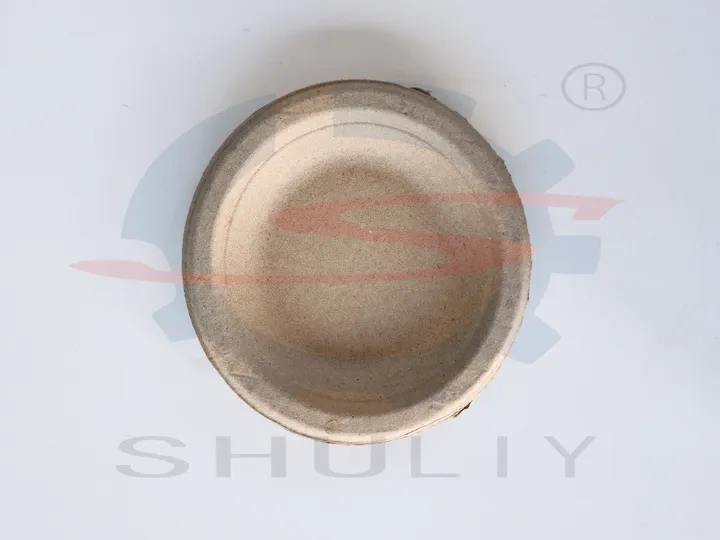
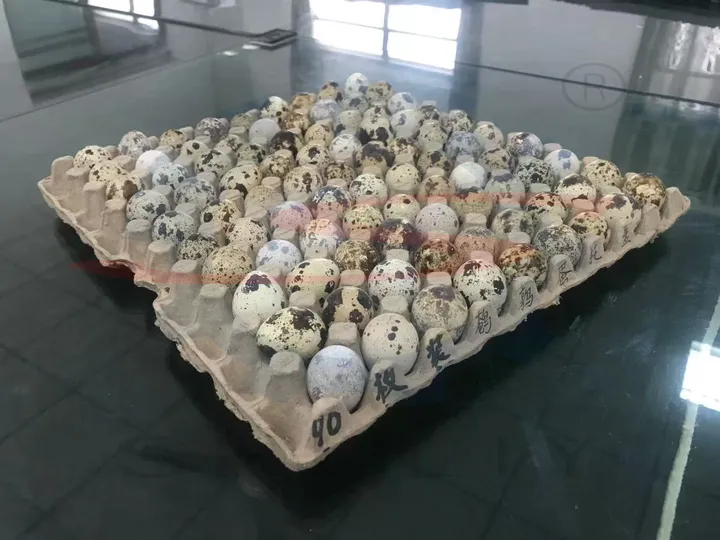
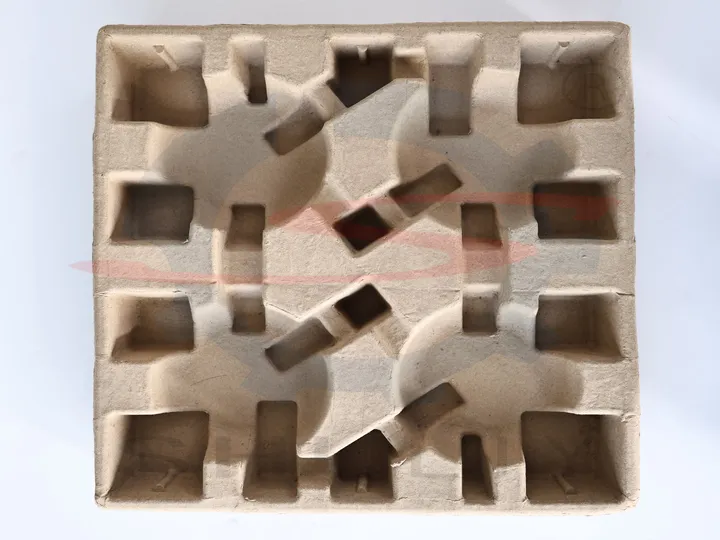
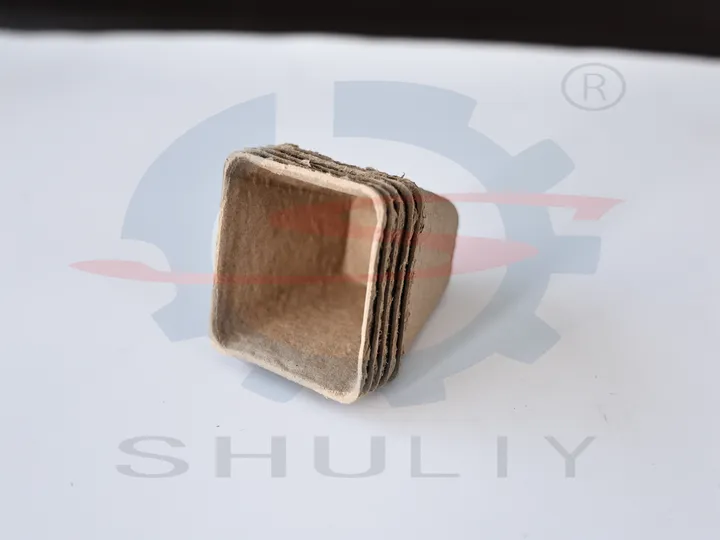
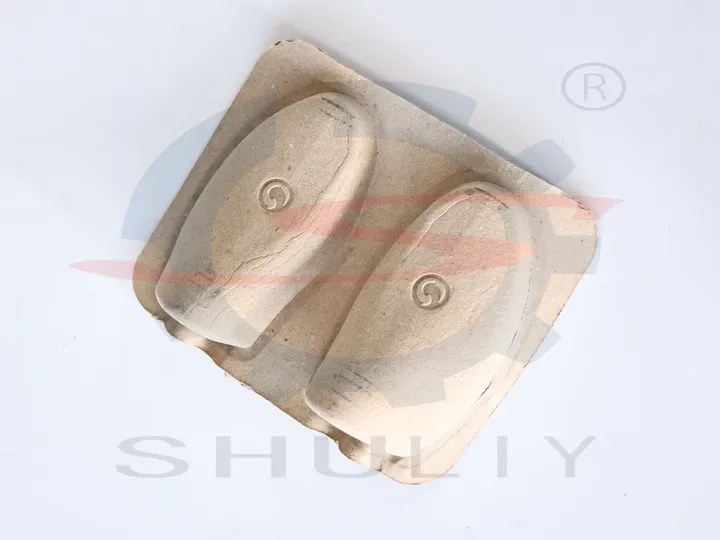
The 2,000–3,000 pcs/hr egg tray making machine is not limited to standard egg trays. By changing the forming and transfer molds, the same rotary forming system produces a wide range of molded pulp packaging. This flexibility allows medium-sized factories to serve multiple markets without buying separate machines.
| Product Category | Examples | Typical Applications |
|---|---|---|
| Egg packaging | 12-cell, 20-cell, 30-cell egg trays; flip-top egg cartons; quail egg trays | Poultry farms, supermarkets, retail packaging |
| Fruit trays | Apple trays, orange trays, berry trays, avocado trays | Fruit exporters, fresh produce packaging |
| Beverage carriers | 2-cup, 4-cup, 6-cup coffee cup carriers | Coffee shops, takeaway delivery |
| Bottle packaging | Wine bottle trays, liquor bottle trays | Winery and spirits distribution |
| Industrial packaging | Electronic component trays, hardware trays | Electronics factories, appliance manufacturers |
| Agricultural trays | Seedling trays, nursery cups, flower pots | Horticulture, nurseries, farming |
| Consumer goods | Shoe inserts, cosmetic trays, gift packaging | Footwear, cosmetics, retail gift boxes |
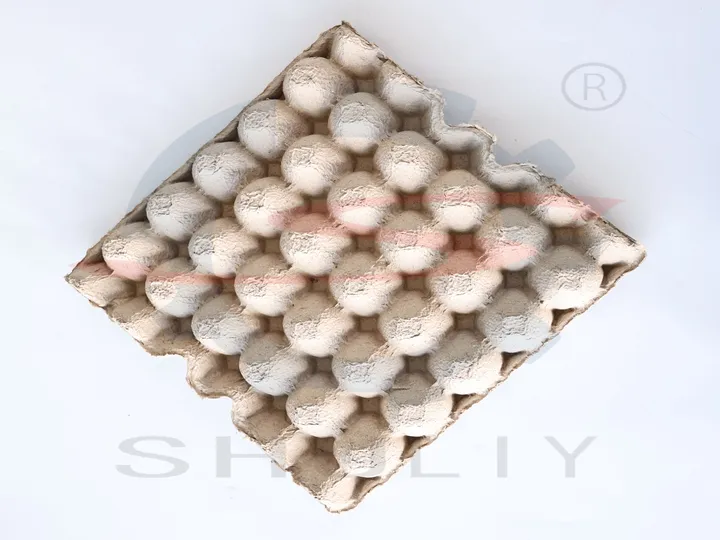
The most common output for the SL-3×4 and SL-4×4 models is the standard 30-cell egg tray. This format is widely used in Africa, Asia, and South America. For operators targeting supermarkets or export markets, flip-top egg cartons and colored trays offer higher margins. Fruit tray molds are popular in agricultural regions where farmers need protective packaging for export crops.
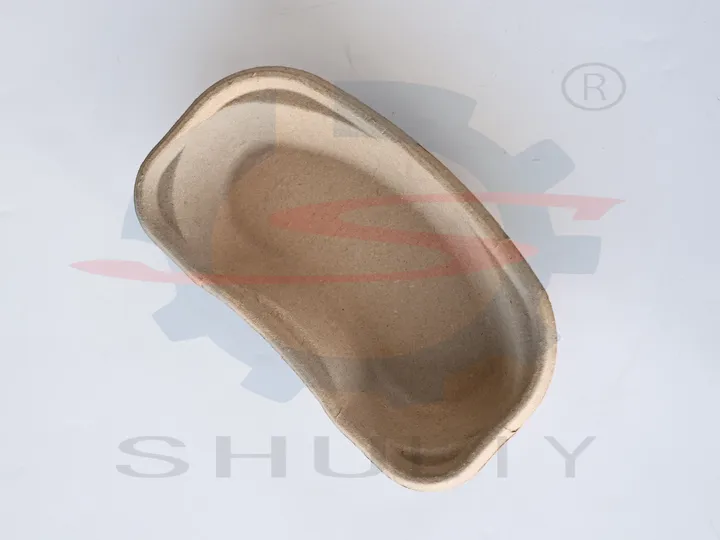
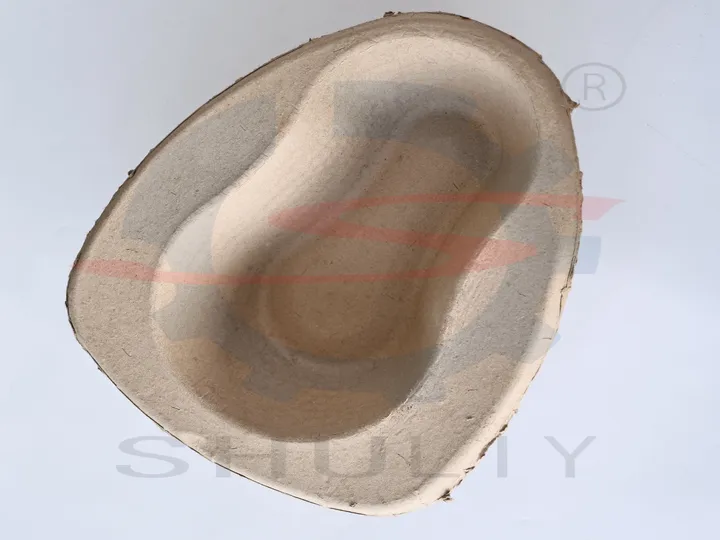
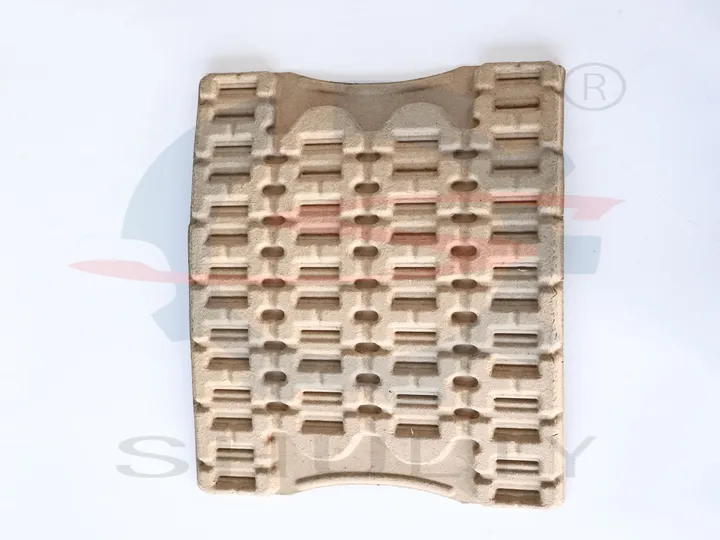
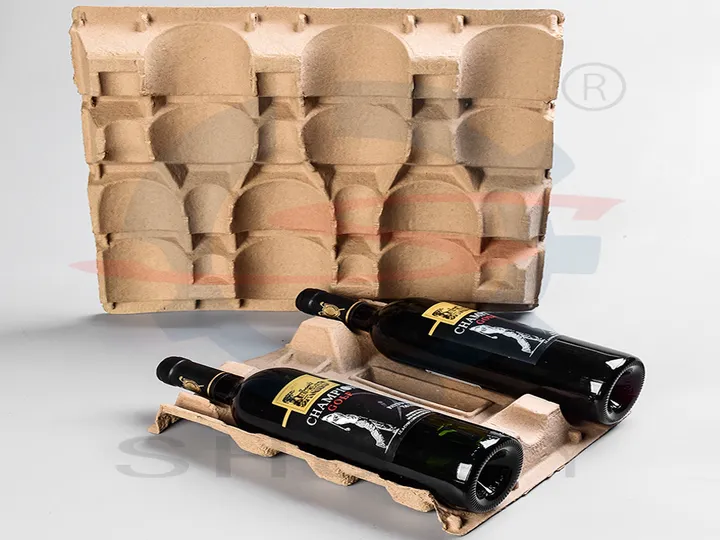
What Raw Materials Can Be Used?
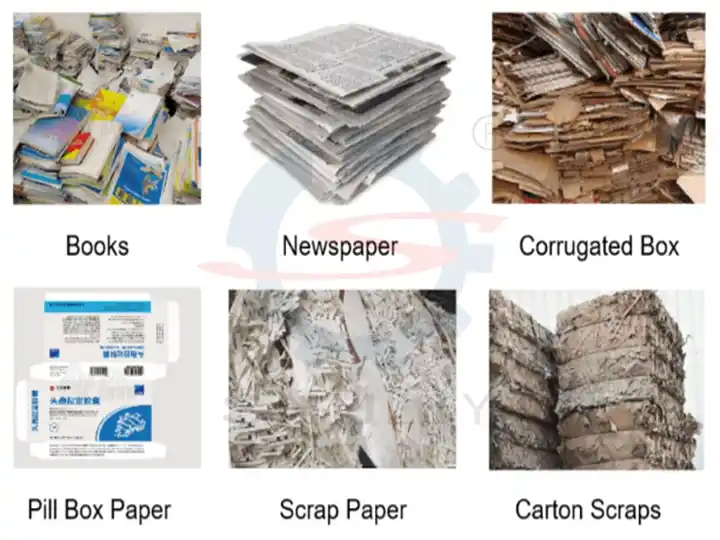
As matérias-primas mais comuns são papel de descarte e água. Outros materiais podem incluir papel kraft, papel ondulado e papelão, todos contendo fibras.
Some customers use industrial residues from paper mills, and some use one-sided coated waste paper. All materials need to be mixed with water and pulped before production. The typical ratio of waste paper to water is 1:10. Egg trays made from this waste paper are environmentally friendly, biodegradable, and durable.
How Does an Egg Tray Making Machine Work?
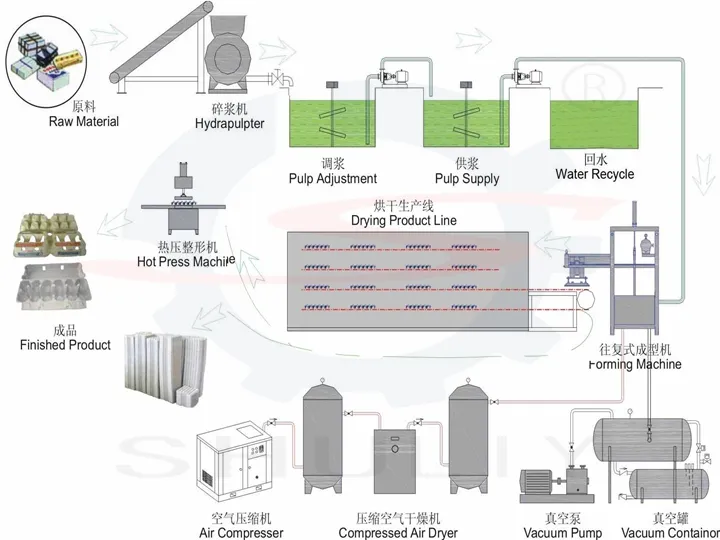
Uma máquina de fabricação de bandejas de ovos de 2.000–3.000 peças/h geralmente usa o princípio de formação de tambor rotativo multi-face. Durante a operação, a polpa é bombeada para os moldes de formação, que moldam as bandejas de ovos no tambor rotativo em sequência. As bandejas passam por desaguamento, prensagem e secagem, sendo finalmente descarregadas automaticamente pela esteira. Todo o processo é contínuo e eficiente, sem necessidade de intervenção manual, sendo adequado para produção de bandejas de ovos de pequeno e médio porte.
2,000–3,000 Pcs/Hr Egg Tray Machine Models
Tipo 1: SL-3*4
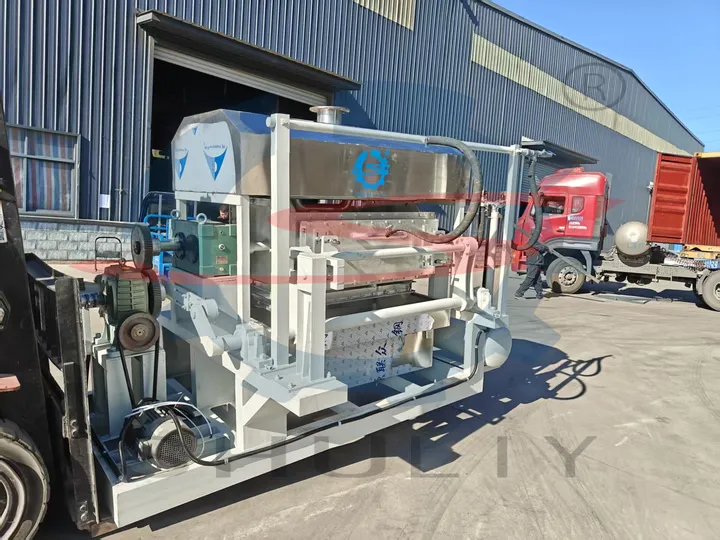
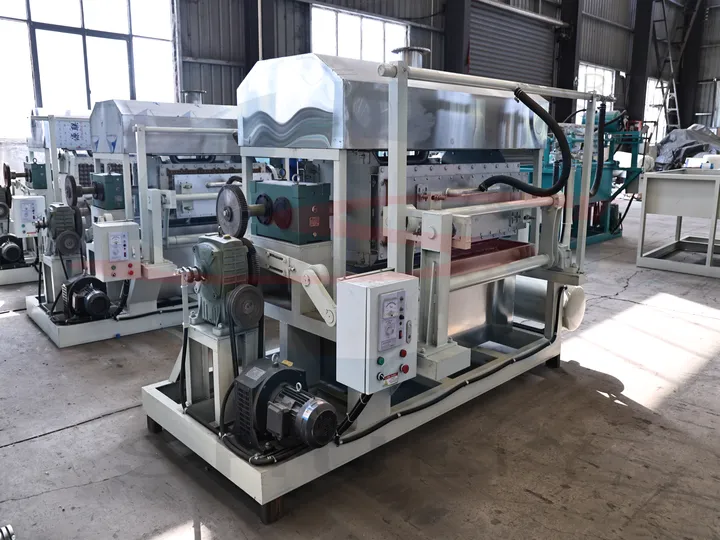
O SL-3*4 possui 4 superfícies rotativas e uma superfície de transferência. Cada superfície rotativa tem três moldes de formação. A superfície de transferência entrega a polpa, e os três moldes moldam bandejas úmidas simultaneamente. Cada ciclo produz 12 bandejas de ovos.
Especificações Técnicas
| Parâmetro | Especificação |
|---|---|
| Produção por hora | 2.500 peças |
| Potência | 55 kW |
| Fonte de Energia | 380V 50Hz |
| Peso | 4.000 kg |
| Tamanho da máquina (L×L×A) | 2.900×1.800×1.800 mm |
| Consumo de papel/hora | 200 kg |
| Consumo de água/hora | 400 kg |
| Método de Secagem | Forno de tijolos ou multi-camadas |
Tipo 2: SL-4*4
O SL-4*4 possui 4 superfícies rotativas e uma superfície de transferência. Cada superfície rotativa tem quatro moldes de formação. Os quatro moldes moldam bandejas úmidas simultaneamente, produzindo 16 bandejas de ovos por ciclo.
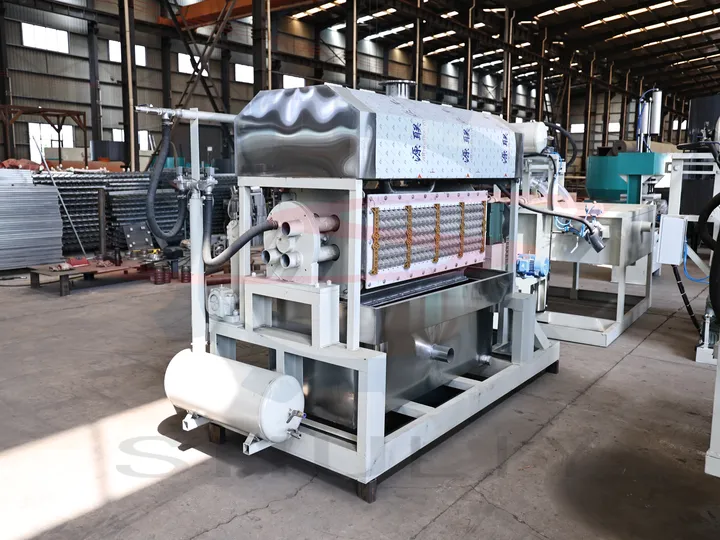
Especificações Técnicas
| Parâmetro | Especificação |
|---|---|
| Produção por hora | 3.000 peças |
| Potência | 60 kW |
| Fonte de Energia | 380V 50Hz |
| Peso | 4.800 kg |
| Tamanho da máquina (L×L×A) | 3.250×1.800×1.800 mm |
| Consumo de papel/hora | 240 kg |
| Consumo de água/hora | 480 kg |
| Método de Secagem | Forno de tijolos ou multi-camadas |
SL-3×4 vs. SL-4×4: Which One Should You Choose?
| Parâmetro | SL-3*4 | SL-4*4 | Diferença/Notas |
|---|---|---|---|
| Produção por hora | 2.500 peças | 3.000 peças | O SL-4*4 tem maior produção, cerca de 500 peças/h a mais |
| Potência | 55 kW | 60 kW | O SL-4*4 usa um pouco mais de energia para atender a uma produção maior |
| Fonte de Energia | 380V 50Hz | 380V 50Hz | Mesmo |
| Peso | 4.000 kg | 4.800 kg | SL-4*4 é mais pesado, mais estável |
| Tamanho da máquina (L×L×A) | 2.900×1.800×1.800 mm | 3.250×1.800×1.800 mm | SL-4*4 é mais longo, ocupa espaço um pouco maior |
| Consumo de papel/hora | 200 kg | 240 kg | SL-4*4 consome mais papel, compatível com maior produção |
| Consumo de água/hora | 400 kg | 480 kg | SL-4*4 consome mais água |
| Método de Secagem | Forno de tijolos ou multi-camadas | Forno de tijolos ou multi-camadas | Mesmo |
Egg Tray Drying Methods for 2,000–3,000 Pcs/Hr Production
At 2,000–3,000 pieces per hour, wet tray output exceeds what natural sun drying can reliably handle. Shuliy offers two practical drying configurations for this capacity level.
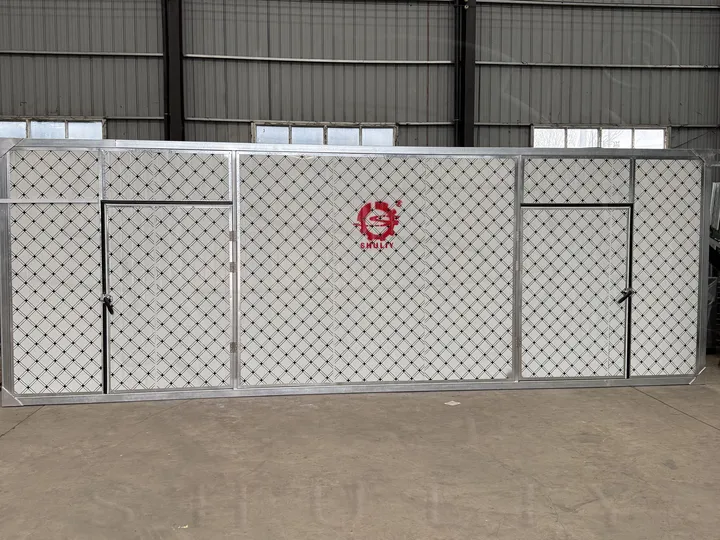
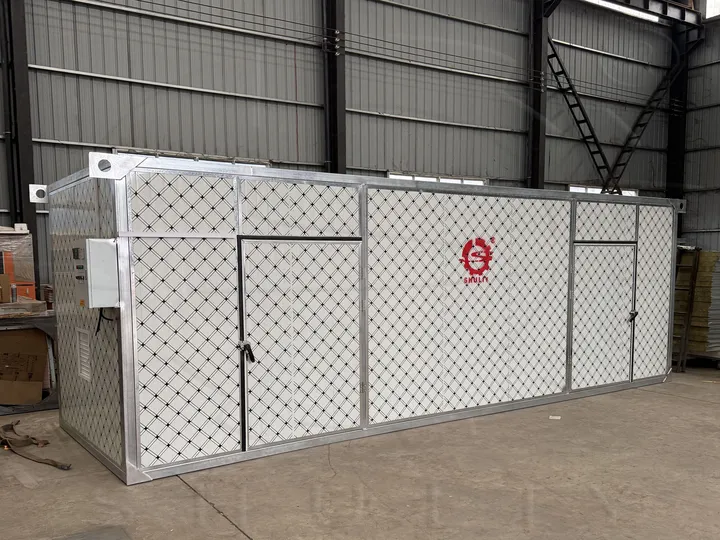
Option 1: Multi-Layer Drying Room
The drying room is a batch-type dryer with stacked carts or shelves. Wet trays are loaded onto carts and wheeled into the heated chamber. Hot air circulates through the room at 60–120°C until moisture drops below 12%.
| Parâmetro | Especificação |
|---|---|
| Capacity match | 2,000–3,000 pcs/hr forming output |
| Heating source | Electricity, natural gas, diesel, or coal |
| Drying cycle | 45–90 minutes per batch |
| Necessidade de mão de obra | 1-2 workers for loading and unloading |
| Floor space | 50–100 m² depending on tray volume |
| Best for | Humid climates, limited initial investment |
The drying room is the most common pairing for the SL-3×4 in regions with unpredictable weather. It protects trays from rain and dust. The lower initial cost makes it attractive for first-time investors.
Option 2: Continuous Mesh Belt Dryer
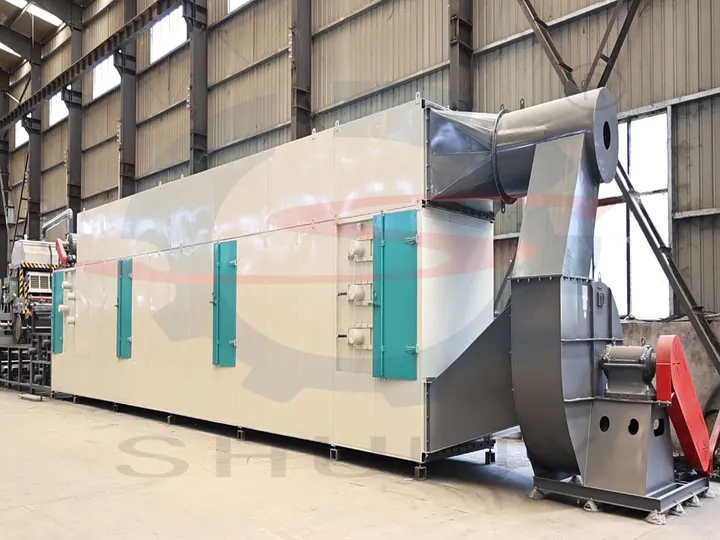
The mesh belt dryer transports trays through a heated tunnel on a moving conveyor. This creates a continuous flow from forming to packaging.
| Parâmetro | Especificação |
|---|---|
| Capacity match | 2,500–7,000 pcs/hr |
| Heating source | Natural gas, diesel, coal, or LPG |
| Drying time | 15–25 minutes |
| Necessidade de mão de obra | Minimal, mostly monitoring |
| Floor space | Longer but narrower than drying room |
| Best for | High output, limited labor, consistent production |
The mesh belt dryer raises equipment cost but reduces labor and cycle time. It is ideal for factories planning to run two shifts or expand toward the higher end of the SL-4×4 capacity.
Drying Method Selection Guide
| Your Situation | Recommended Dryer |
|---|---|
| Limited budget, humid climate | Multi-layer drying room |
| Plan to expand to 4,000+ pcs/hr | Secador de correia de malha |
| Unreliable electricity | Drying room with coal or gas burner |
| Need minimal labor | Secador de correia de malha |
| Limited factory length | Sala de secagem |
What Does a Complete Egg Tray Production Line Include?
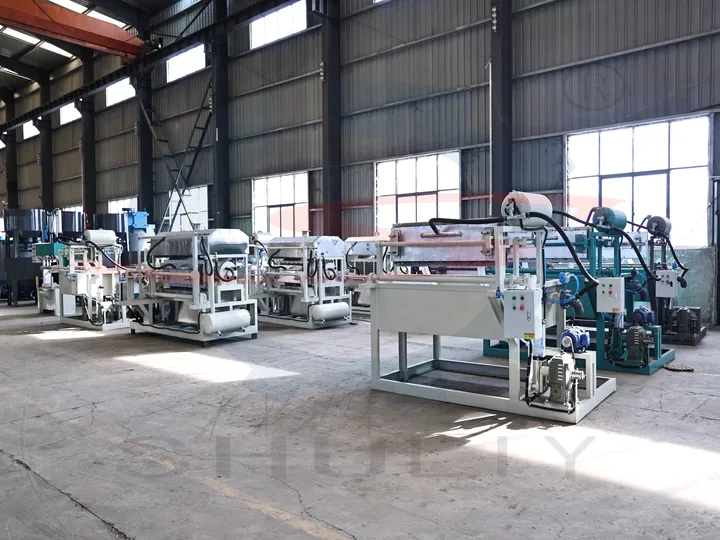
A 2,000–3,000 pcs/hr egg tray production line includes more than the forming machine. Shuliy supplies a coordinated system where each module is sized to match the forming output.

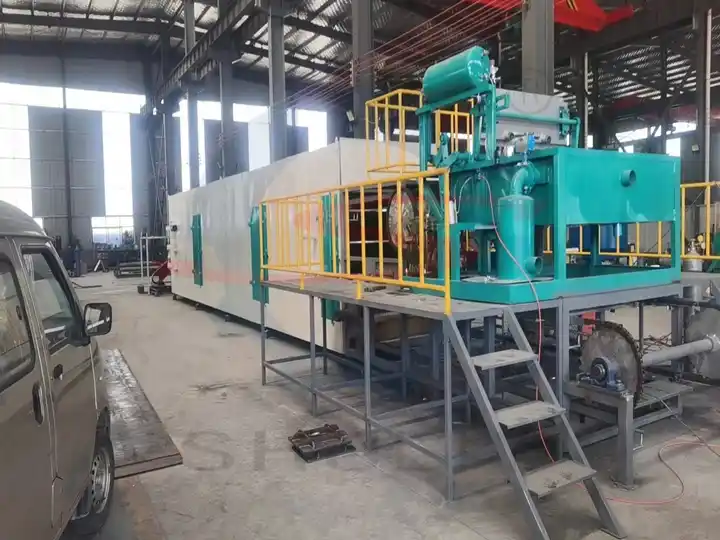
Sistema de Desagregação
| Component | SL-3×4 Configuration | SL-4×4 Configuration |
|---|---|---|
| Hydropulper | 2 m³, 11 kW | 2 m³, 11 kW |
| Agitator | 3 kW | 3 kW |
| Supply pump | 4 kW | 4 kW |
| Sewage pump | 1.5 kW | 1.5 kW |
The pulping system processes waste paper into 2–3% consistency slurry. A typical batch takes 15–20 minutes. The 2 m³ pulper keeps pace with both models.
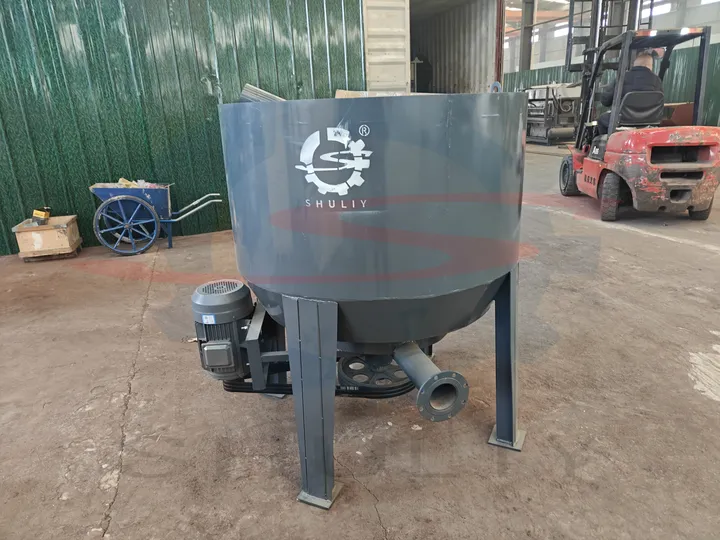
2. Forming System
Sistema de Formação
| Component | SL-3×4 | SL-4×4 |
|---|---|---|
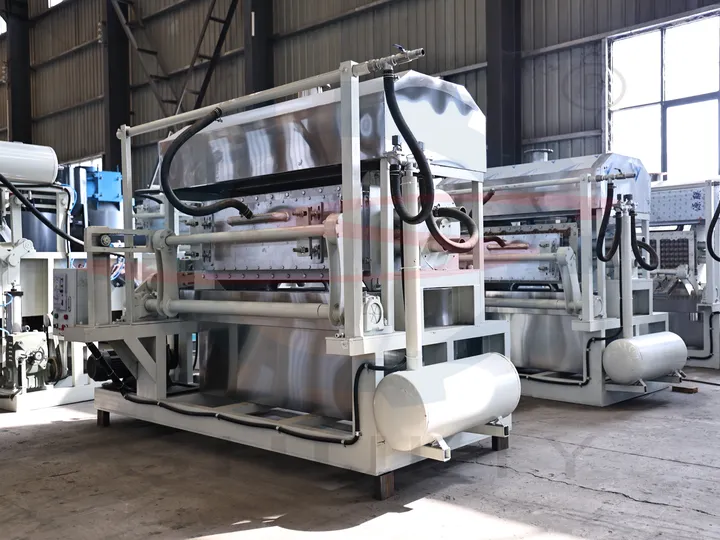
| Forming machine | Four-side rotary | Four-side rotary |
| Forming molds | 12 pcs (3 per side) | 16 pcs (4 per side) |
| Transfer mold | 4 peças | 4 peças |
| Cycle speed | 10–15 strokes/min | 10–15 strokes/min |
| Bomba de vácuo | 18,5 kW | 18,5 kW |
| Compressor de ar | 11 kW | 11 kW |
The forming system is the production core. Vacuum suction draws pulp onto the molds. Compressed air transfers wet trays to the dryer conveyor.
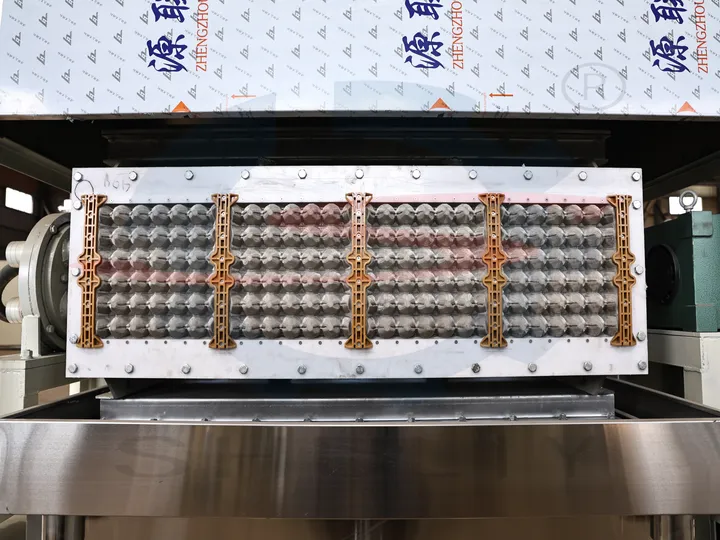
Sistema de Secagem
The drying module is selected based on climate and budget. Either the multi-layer drying room or the mesh belt dryer can be paired with the SL-3×4 and SL-4×4.
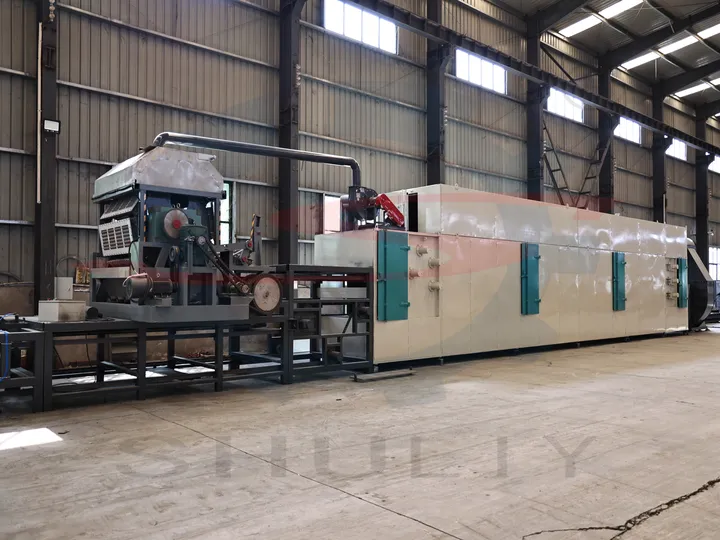
Packaging System
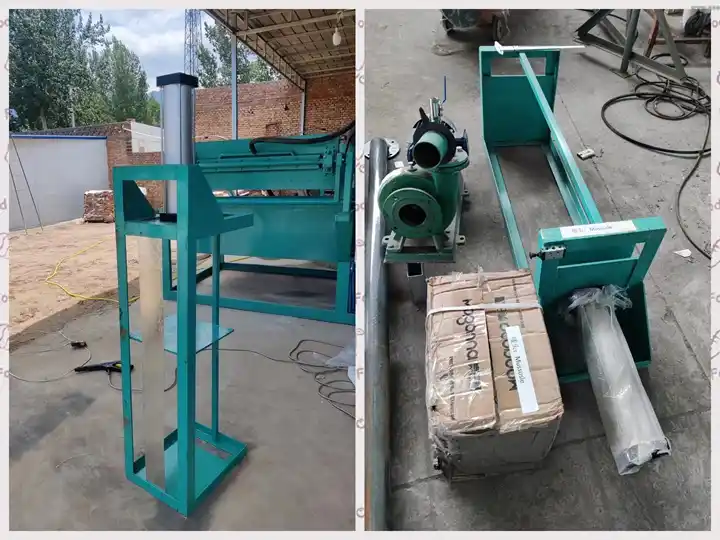
| Component | Função |
|---|---|
| Automatic tray stacker | Counts and stacks dried trays |
| Pneumatic baling machine | Compresses trays into bundles |
| Conveyor belts | Moves trays between stations |
The packaging system reduces finished product volume by 30–40%. This lowers transport costs and simplifies warehouse storage.
How to Choose the Right Egg Tray Machine Capacity?
Selecting the correct capacity prevents over-investment and production bottlenecks. Match the machine to your current needs with room for growth.
| Your Daily Target | Modelo Recomendado | Reasoning |
|---|---|---|
| 20,000–30,000 trays/day | SL-3×4 (2,500 pcs/hr) | Lower investment, enough for local supply |
| 30,000–50,000 trays/day | SL-4×4 (3,000 pcs/hr) | Matches medium factory output |
| 50,000+ trays/day | SL-4×8 or larger | Higher capacity for commercial scale |
Consider these factors when deciding:
- Market demand: How many trays can you sell daily?
- Operating hours: Will you run one or two shifts?
- Raw material supply: Can you source enough waste paper?
- Facility size: Do you have space for the dryer and raw material storage?
- Budget: Can you afford the mesh belt dryer, or should you start with a drying room?
A common mistake is buying the largest machine possible. If your daily sales are 25,000 trays, the SL-3×4 is the rational choice. You can upgrade later when demand grows.
How Much Does a 2,000–3,000 Pcs/Hr Egg Tray Machine Cost?
The price of a 2,000–3,000 pcs/hr paper egg tray machine depends on configuration, drying method, and shipping destination. Several factors affect the final quotation:
- Forming machine model: SL-3×4 or SL-4×4
- Drying system: Drying room or mesh belt dryer
- Heat source: Electricity, gas, diesel, coal, or LPG
- Automation level: Standard controls or PLC touchscreen
- Voltage requirement: 380V/50Hz standard, other voltages available
- Spare parts package: Basic kit or extended kit
- Shipping terms: FOB, CIF, or door-to-door delivery
To receive an accurate quotation, provide these details to the supplier:
- Your target daily output
- Preferred drying method
- Available fuel type
- Facility dimensions
- Destination country and port
Vantagens da Máquina de Fabricação de Bandejas de Ovos de 2.000–3.000 Peças/h
Stable Medium-to-High Capacity Configuration
- SL-3*4: 2.500 peças/h
- SL-4*4: 3.000 peças/h
Atende às necessidades de capacidade padrão para fábricas de médio a grande porte.
Better Unit Output Efficiency
- SL-3*4: 55 kW
- SL-4*4: 60 kW
Com aproximadamente 20% de aumento na produção, a potência aumenta apenas 5 kW, mantendo o crescimento do consumo de energia sob controle.
Heavier Machine Body for More Stable Operation
- Peso total: 4.000 kg (SL-3*4) e 4.800 kg (SL-4*4)
Reduz vibração em altas velocidades, garantindo formação consistente de bandejas de ovos.
High-Strength Steel Frame
- A máquina principal é soldada com aço de alta resistência, resistente à fadiga e à corrosão, adequada para produção contínua de longo prazo.
Compact Structure with High Space Utilization
- Dimensões: 2.900×1.800×1.800 mm (SL-3*4) e 3.250×1.800×1.800 mm (SL-4*4)
Alcança maior capacidade com espaço mínimo adicional no piso.
Raw Material Consumption Matches Output Linearly
- SL-3*4: 200 kg de papel/h, 400 kg de água/h
- SL-4*4: 240 kg de papel/h, 480 kg de água/h
Permite cálculo de custos claro e controlável.
High-Efficiency Multi-Face Rotary Drum Forming
- Formação contínua, desaguamento e transferência
- Melhora a eficiência de produção e reduz o trabalho manual.
Flexible Drying Options
- Bandejas de ovos formadas podem ser combinadas com fornos de tijolos ou sistemas de secagem multi-camadas
- Configurável de acordo com as condições energéticas locais e orçamento de investimento.
2,000–3,000 Pcs/Hr Egg Tray Machine Project Cases
Tanzania: SL-4×4 Brick Dryer Production Line
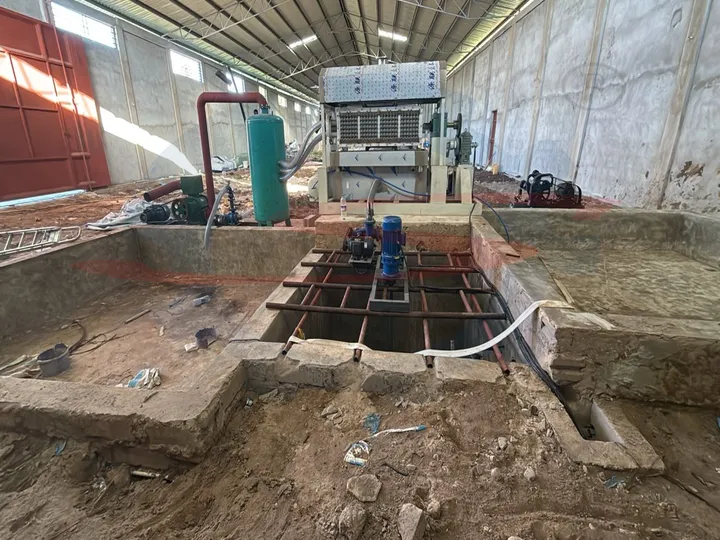
A poultry packaging entrepreneur in Tanzania installed an SL-4×4 egg tray manufacturing machine with a brick dryer near Dar es Salaam. The line produces approximately 3,000 trays per hour. Shuliy dispatched an engineer to supervise installation and train local operators. The customer now supplies egg trays to poultry farms across the region. The brick dryer was chosen because it supports both natural gas and coal firing, giving the customer flexibility as local fuel prices change.
Tanzania: Poultry Farm Self-Use Project
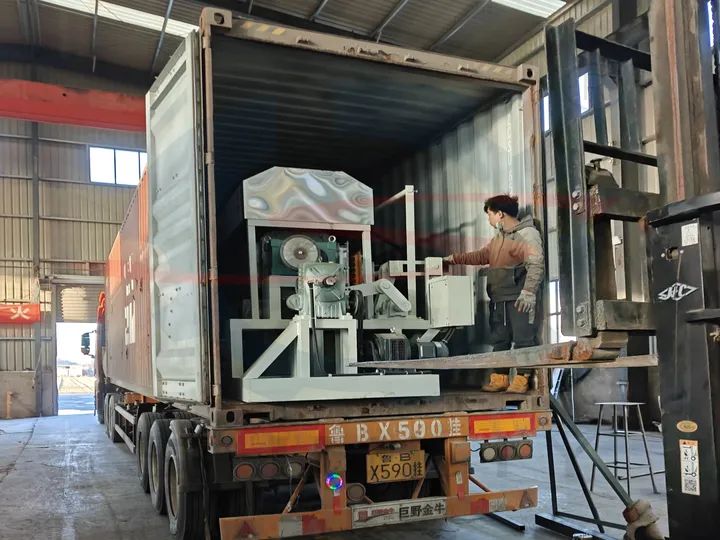
In October 2025, a Tanzanian poultry farm with 2,000 cubic meters of production space ordered an SL-4×4 waste paper egg tray machine. The customer needed trays for internal use and planned to sell the surplus. The system was configured with coal-fired brick drying to match local energy availability. Shuliy provided site layout planning, refractory bricks shipped with the equipment, and a complete spare parts list. The machine was loaded into containers and shipped with installation support arranged.
Sierra Leone: 2,500 Pcs/Hr Food Packaging Project
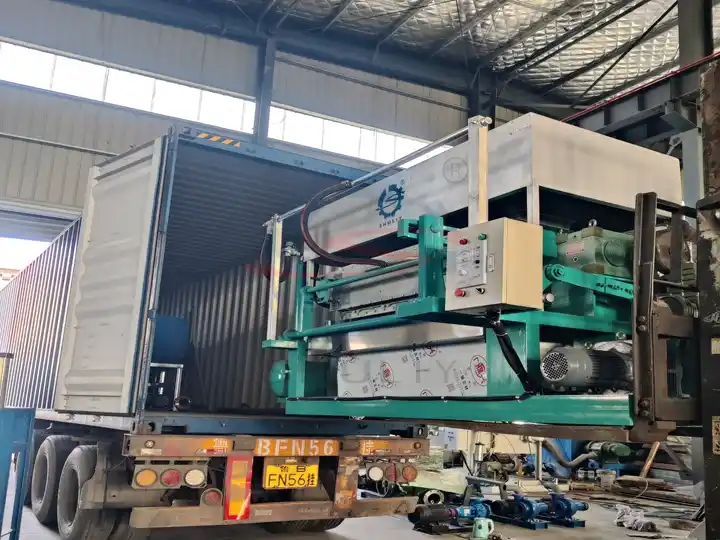
In August 2025, Shuliy completed installation and commissioning of an SL-2500-3×4 automatic egg tray making machine for a customer in Sierra Leone. The customer operates in food packaging and wants to convert waste paper into eco-friendly egg trays. The production line included pulping, forming, drying, and packaging modules. Shuliy engineers provided on-site installation guidance and operator training. The machine now runs in normal production, turning waste paper into a sellable packaging product.
Por que escolher a Shuliy?
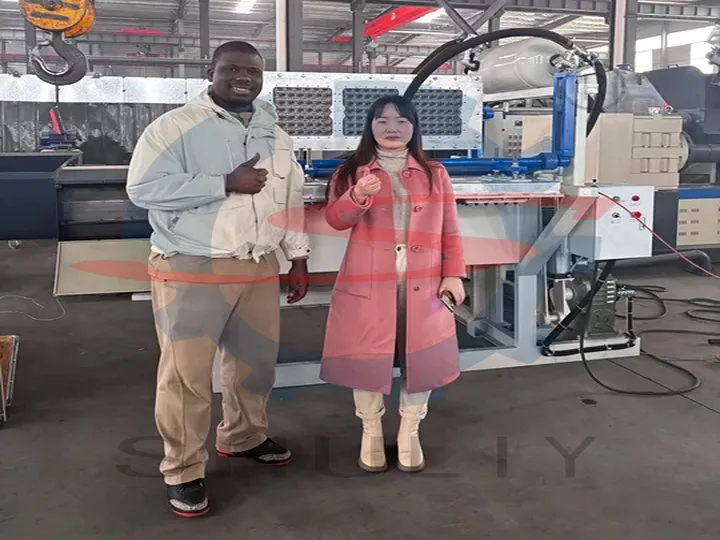
A Shuliy fornece serviços completos, incluindo:
- Design de solução
- Treinamento operacional
- Suporte técnico e peças de reposição durante a produção
- Instalação e comissionamento no local ou remoto
- Manutenção pós-venda
- Personalização de moldes e melhorias de produto
- Garantia de um ano
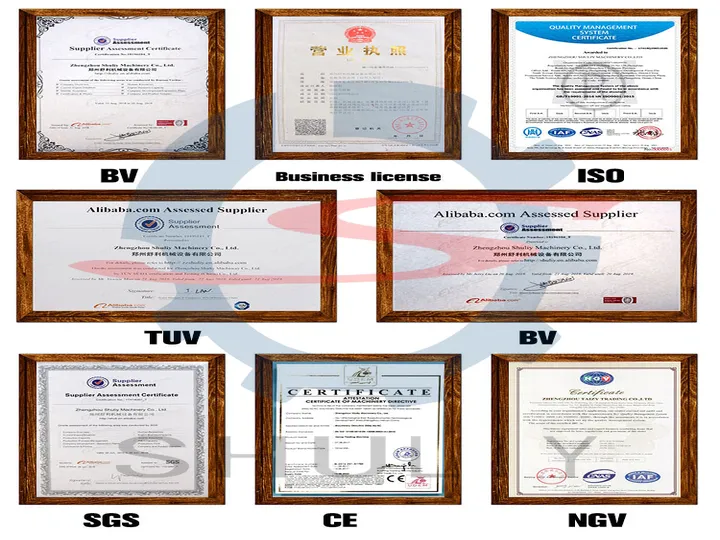
Certificações completas de fábrica:
- CE
- ISO9001
- SGS
- TUV
- BV
- NGV
Perguntas frequentes
Can one machine produce both egg trays and egg cartons?
Yes. The same forming machine produces both by changing the molds. Egg cartons require deeper molds and a lid-forming die. Mold changeover takes 30–60 minutes.
How much waste paper is needed per 1,000 trays?
Approximately 100–120 kg of dry waste paper is needed per 1,000 standard 30-cell egg trays. The SL-3×4 consumes 200 kg/hour and the SL-4×4 consumes 240 kg/hour.
What is the typical payback period?
Most medium-scale operators recover their investment within 12–24 months. Payback depends on local tray prices, fuel costs, labor rates, and daily operating hours.
Can the machine run on generator power?
Yes. The SL-3×4 needs 55 kW installed power and the SL-4×4 needs 60 kW. A generator with 20–30% spare capacity is recommended for stable operation.
How many workers are needed per shift?
A complete automatic line needs 3–5 workers per shift: one feeding waste paper, one monitoring the forming machine, one managing the dryer, and one handling finished tray stacking.
What voltage does the machine use?
Standard voltage is 380V / 50Hz three-phase. Other voltages such as 220V, 415V, or 60Hz can be customized.
How long does delivery take?
Production time is typically 25–40 days. Sea freight adds 20–40 days depending on the destination port. Total lead time is usually 45–80 days.
Does Shuliy provide installation support?
Yes. Shuliy provides installation drawings, video guidance, and on-site engineer support. On-site service covers assembly, commissioning, and operator training.
Can the machine produce colored trays?
Yes. Pigments can be added to the pulp to produce yellow, purple, green, blue, or other colors. This is useful for branding and retail packaging.
What is the machine warranty?
Shuliy provides a 12-month warranty on mechanical and electrical components. Spare parts and lifetime technical support are available after the warranty period.