
Маленький автомат для яиц 1000-1500 шт./ч
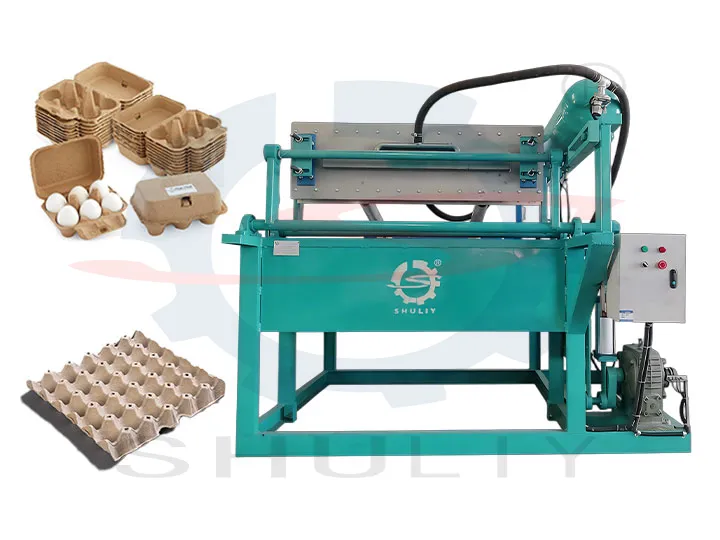
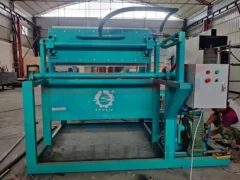
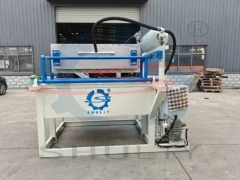
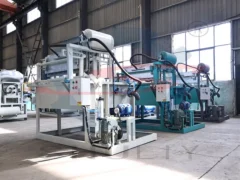
| Модель | SL-3*1, SL-4*1 |
| Вместимость | 1000-1500 шт/ч |
| Потребление воды | 300кг/ч-380кг/ч |
| Потребление бумаги | 120-160кг/ч |
| Потребление электроэнергии | 32кВт/ч-45кВт/ч |
| количество работников | 3-4 |
| Гарантия | 12 месяцев |
Теперь вы можете спрашивать наших менеджеров проектов о технических деталях
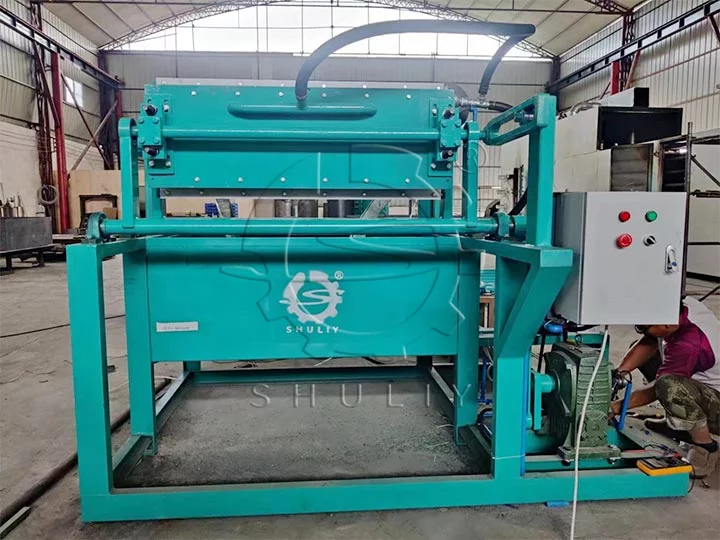
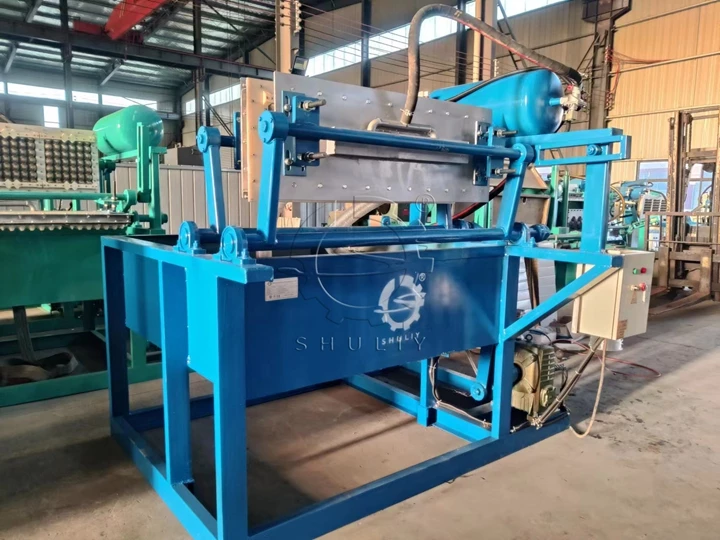
The small egg tray machine, also called a single-sided egg tray machine, mainly uses waste paper, cardboard, old books, and other fiber materials. It produces various egg trays, such as 30-hole and 20-hole trays, with an output of 1,000–1,500 pieces per hour through pulp molding.
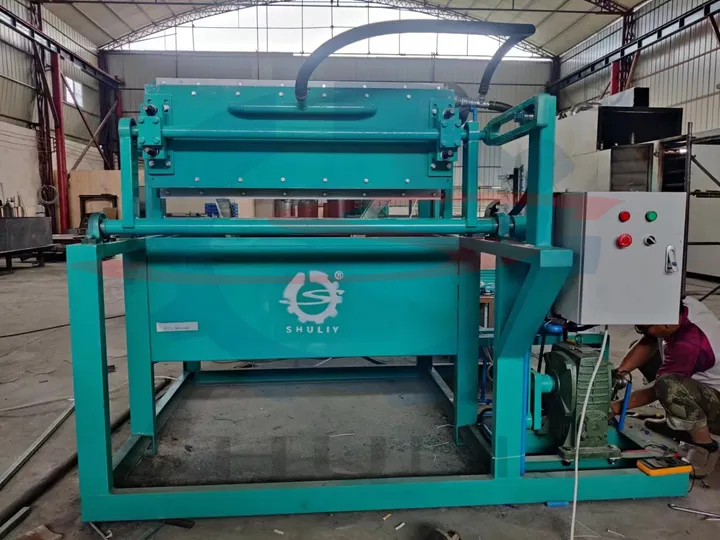
This small egg tray machine is ideal for small poultry farms, large-scale chicken farms, and start-up egg processing businesses. It has low output, low investment, low energy consumption, and is easy to operate. With a fast return on investment, it is the first choice for many users and is popular in over 50 countries, including Nigeria, Brazil, Cuba, Colombia, Russia, Saudi Arabia, Morocco, Ghana, and South Africa.
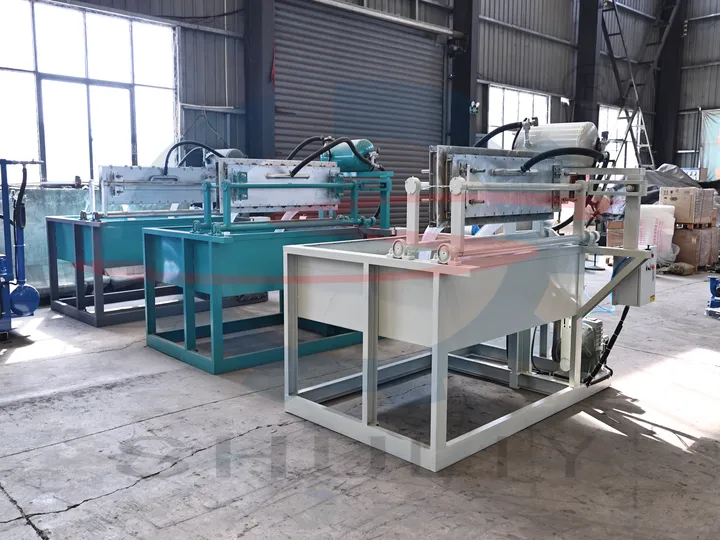
Shuliy’s best-selling small egg tray making machines are the SL-3*1 и SL-4*1. Below, I will introduce these two models in detail.
Why Is This Small Egg Tray Machine Also Called a Single-Side Egg Tray Making Machine?
This small egg tray machine is also known as a single-side egg tray making machine because it is equipped with only one forming mold and one transfer mold. All wet egg trays complete the pulp suction, molding, and demolding processes on the same side. This compact egg tray machine can close the molds 6–8 times per minute, with an output of 18–32 trays per minute.
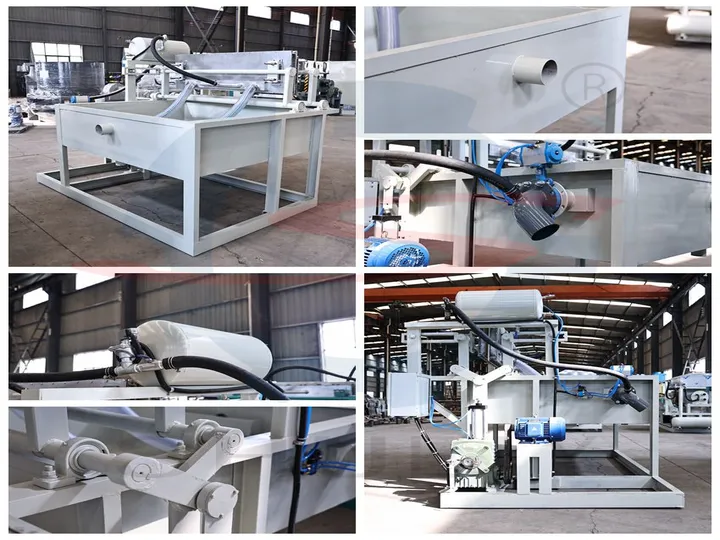
Compared with multi-side machines (such as four-side, eight-side, or twelve-side machines), the single-side egg tray machine features a simpler structure, smaller footprint, and lower energy consumption. Therefore, it is an ideal choice for poultry farms and small businesses looking to upgrade from old egg tray production equipment.
Due to its single-side molding process, the production output per cycle is moderate, reaching approximately 1,000–1,500 pieces per hour. In addition, this machine is easy to operate and requires less maintenance, making it suitable for beginners and small-scale egg tray production projects.
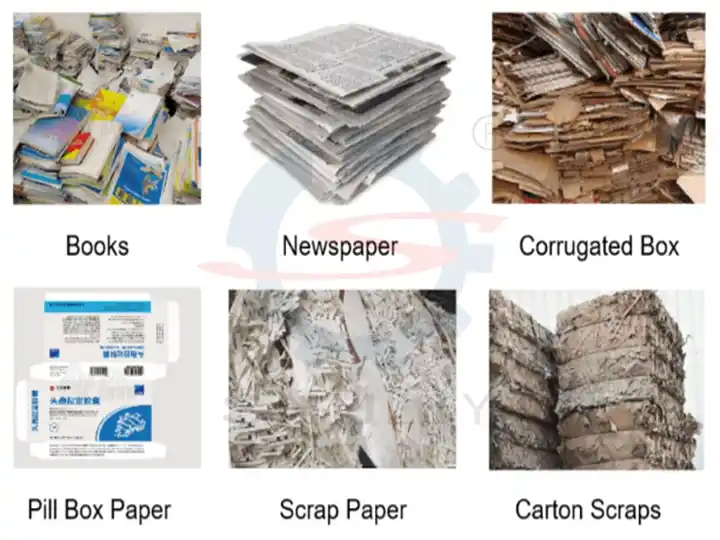
Сырье для производства яичных лотков
Small egg tray machines mainly use fiber materials such as waste paper, kraft paper, corrugated paper, and cardboard as raw materials. The production process mainly involves physical processing, including pulping, molding, and drying, to finally produce finished egg trays. Generally, the weight of one egg tray is about 60–80 g. According to calculations from the Shuliy factory, one ton of waste paper can produce approximately 12,000 egg trays, making this solution highly attractive for businesses seeking a fast return on investment. In many cases, the investment can be recovered within about one week.
According to customer requirements, waterproofing agents or strengthening additives can be added to the pulp to improve the moisture resistance and durability of the trays. These additives remain stable in the products after drying and do not cause chemical reactions, discoloration, or unpleasant odors.
Therefore, both the raw materials and the production process are environmentally friendly. Egg trays are fully biodegradable, do not cause secondary pollution, and meet the growing demand for sustainable and eco-friendly packaging solutions.
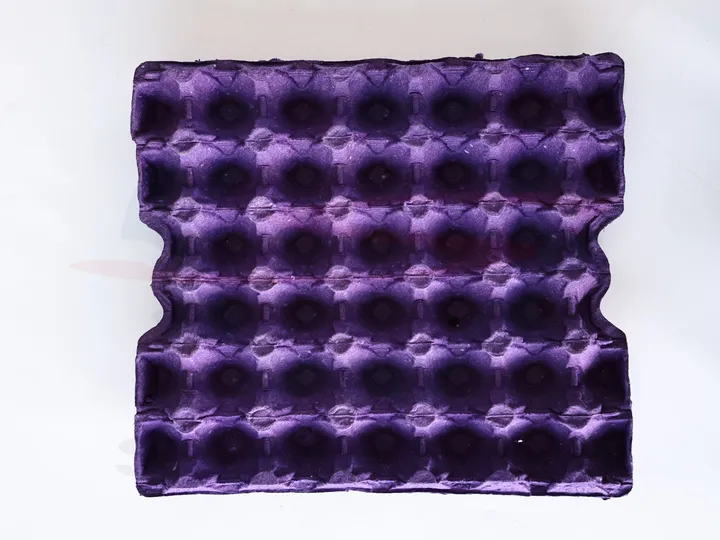
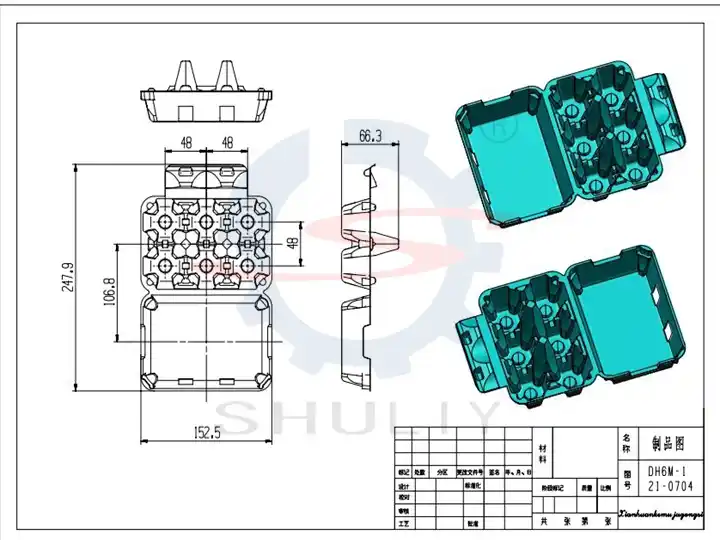
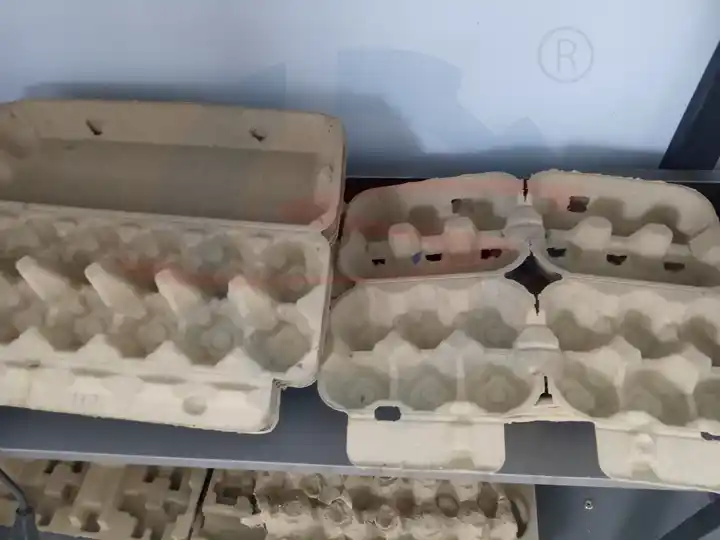
What Finished Products Can Shuliy Small Egg Tray Machines Produce?
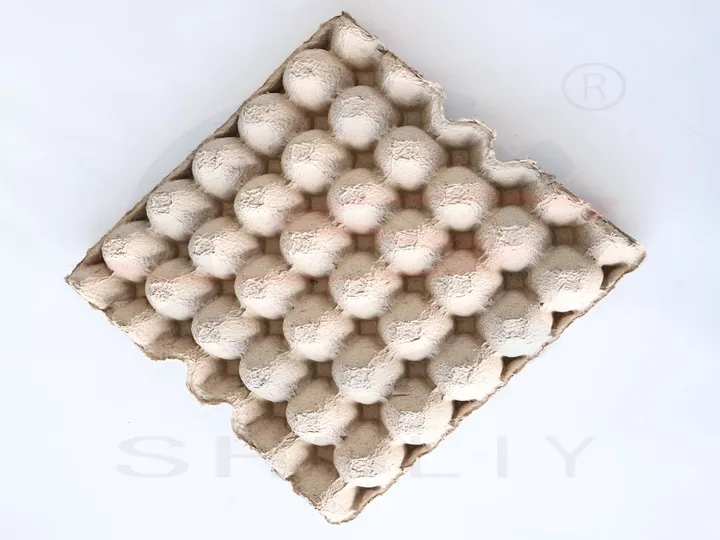
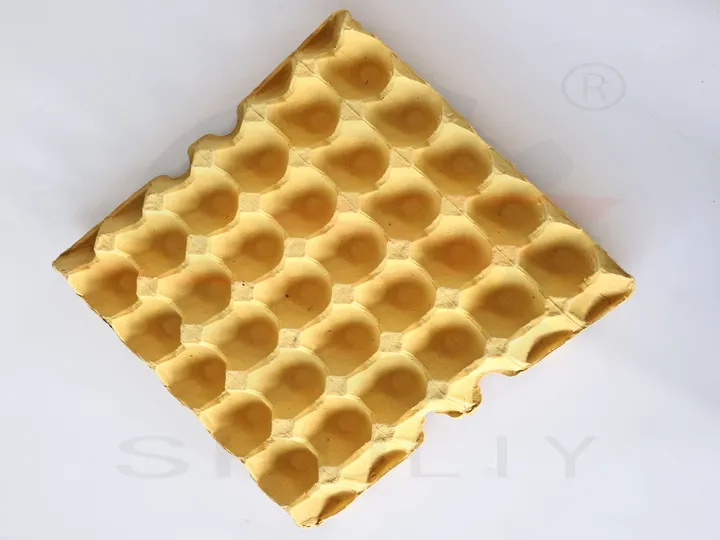
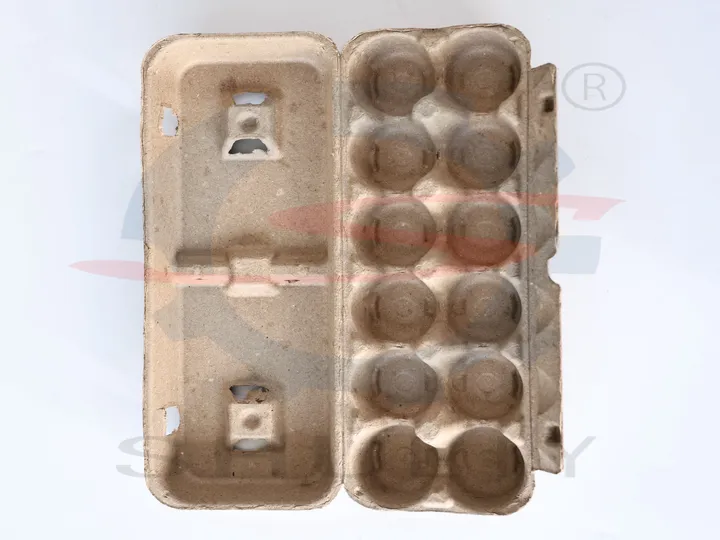
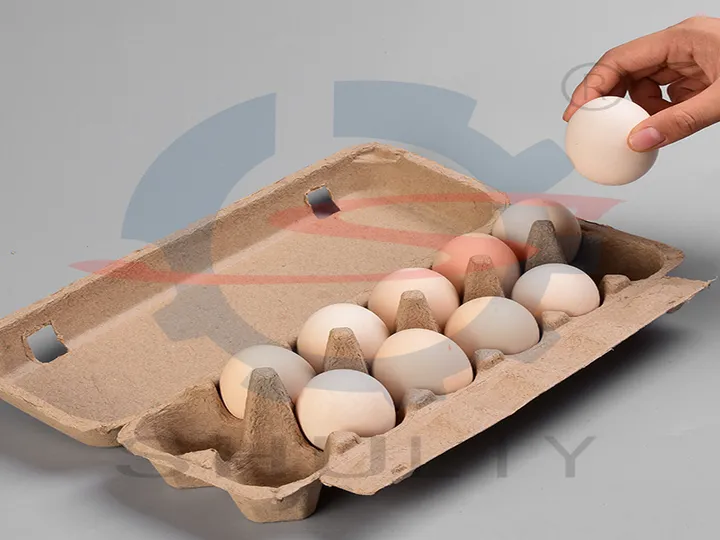
How Does a Small Pulp Molding Egg Tray Machine Make Egg Trays?
The small pulp molding egg tray machine works mainly through four steps: pulping, molding, demolding, and drying. First, waste paper, corrugated paper, and other raw materials are mixed with water in the right ratio to make a uniform pulp. Stirring and beating ensure the fibers are fully dispersed.
Затем целлюлоза подается на одностороннюю формовочную матрицу. Под вакуумом целлюлоза равномерно прилипает к поверхности формы, быстро формируя влажный яичный лоток. Влажный лоток извлекается из формы и отправляется в систему сушки (воздушную или сушильную камеру) для удаления влаги, получая прочные, плоские и однородные лотки.
Весь процесс физический, без вредных химикатов, что делает его экологичным и эффективным. Каждый цикл может одновременно производить несколько лотков, при этом расход воды и бумаги низкий, что идеально подходит для малого и высокоэффективного производства.
Виды машин для производства яичных лотков
Type 1: SL-3*1 Small Egg Tray Machine
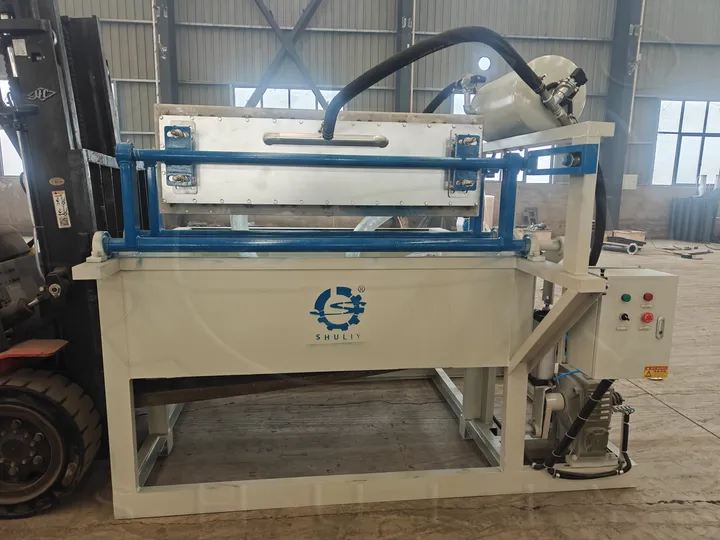
The SL-3×1 small egg tray forming machine consists of one transfer side and three forming sides. The transfer side is responsible for conveying wet pulp, while the three forming sides mold wet paper trays simultaneously. Each production cycle can produce 3 egg trays, with an output capacity of up to 1,000 pieces per hour.
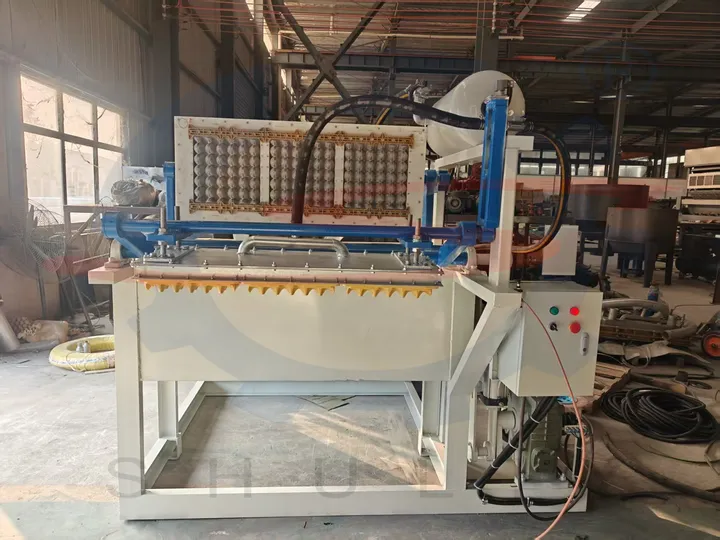
Technical Parameters of SL-3*1 Small Egg Tray Making Machine
| Элемент | Параметр |
|---|---|
| Модель | SL-3*1 |
| Производительность | 1000 лотков/ч |
| Мощность | 38 кВт |
| Напряжение | 380V / 50Гц |
| Вес | 2500 кг |
| Размер основного оборудования | 2600 × 2200 × 1900 мм |
| Потребление бумаги | 80 кг/ч |
| Потребление воды | 160 кг/ч |
| Метод сушки | Воздушная сушка / сушильный шкаф |
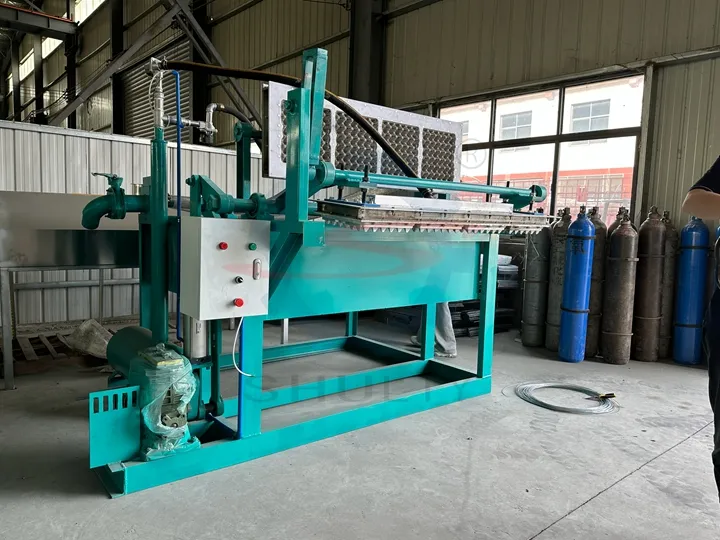
Type 2: SL-4*1 Small Egg Tray Machine
The SL-4×1 small egg tray making machine consists of one transfer side and four forming sides. The transfer side conveys wet pulp, while the four forming sides simultaneously mold the pulp into egg trays. Each production cycle can produce 4 egg trays.
Compared with the SL-3×1 model, this machine provides higher production capacity while maintaining a simple structure and easy operation. It is suitable for small and medium-scale egg tray production lines. The output capacity can reach 1,500 pieces per hour.
Technical Parameters of SL-4*1 Small Egg Tray Machines
| Элемент | Параметр |
|---|---|
| Модель | SL-4*1 |
| Производительность | 1500 лотков/ч |
| Мощность | 38 кВт |
| Напряжение | 380V / 50Гц |
| Вес | 3000 кг |
| Размер основного оборудования | 2800 × 2200 × 1900 мм |
| Потребление бумаги | 120 кг/ч |
| Потребление воды | 240 кг/ч |
| Метод сушки | Воздушная сушка / сушильная камера |
Ключевые различия между двумя машинами
| Пункт сравнения | SL-3*1 | SL-4*1 |
|---|---|---|
| Позиции для форм | 3 | 4 |
| Производительность | 1000 лотков/ч | 1500 лотков/ч |
| Общая мощность | 38 кВт | 38 кВт |
| Вес основного оборудования | 2500 кг | 3000 кг (более стабильное) |
| Потребление бумаги | 80 кг/ч | 120 кг/ч |
| Потребление воды | 160 кг/ч | 240 кг/ч |
| Конфигурация сушки | Воздушная сушка / сушильный шкаф | Воздушная сушка / сушильная камера (для более высокой производительности) |
| Подходит для | Малые фермы / Стартапы | Малые и средние фабрики по производству яичных лотков / Расширение мощности |
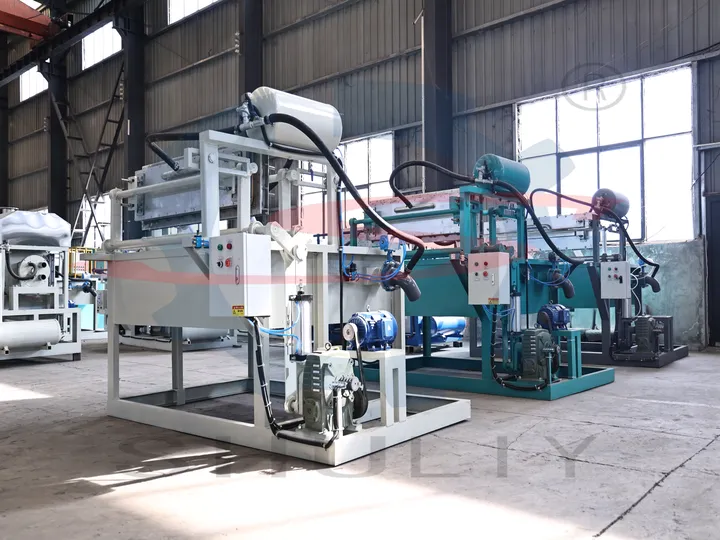
Преимущества малых машин для яичных лотков
Simple and Stable Structure
Машины используют односторонние системы формовки 3×1 или 4×1, которые компактны и имеют низкий уровень отказов.
- SL-3*1: 3 позиции для форм
- SL-4*1: 4 позиции для форм
Односторонняя система уменьшает количество вращающихся и передающих деталей, обеспечивая стабильную работу и легкое обслуживание.
High Efficiency and Low Energy Consumption
Обе модели имеют мощность 38 кВт, производят 1000–1500 лотков в час. Соотношение энергии и выхода разумное, что делает их экономически выгодными среди аналогичных машин.
High Pulp Utilization
Вакуумное формование обеспечивает равномерное распределение целлюлозы и высокую эффективность поглощения.
- Потребление бумаги: 80–120 кг/ч
- Потребление воды: 160–240 кг/ч (большая часть может быть переработана)
Durable Materials
Каркас изготовлен из толстой углеродистой стали Q235, весом 2500–3000 кг, что обеспечивает стабильность и точность формовки.
Формы могут быть из алюминия или меди, устойчивы к коррозии, выдерживают высокие температуры, долговечны и формируют аккуратные лотки.
Flexible Drying Options
Сушка может быть адаптирована к производству и климату:
- Воздушная сушка (низкая стоимость, подходит для солнечных районов)
- Сушильный шкаф (для SL-3*1)
- Сушильная камера (рекомендуется для SL-4*1)
Гибкая конфигурация соответствует различным потребностям малого производства.
Stable and Reliable Output
Точная вакуумная формовка обеспечивает постоянное количество и качество лотков за цикл.
- SL-3*1: 1000 лотков/ч
- SL-4*1: 1500 лотков/ч
Влажные лотки однородны и последовательны; высушенные лотки плоские, прочные и требуют меньших переделок, что повышает общую эффективность производства.
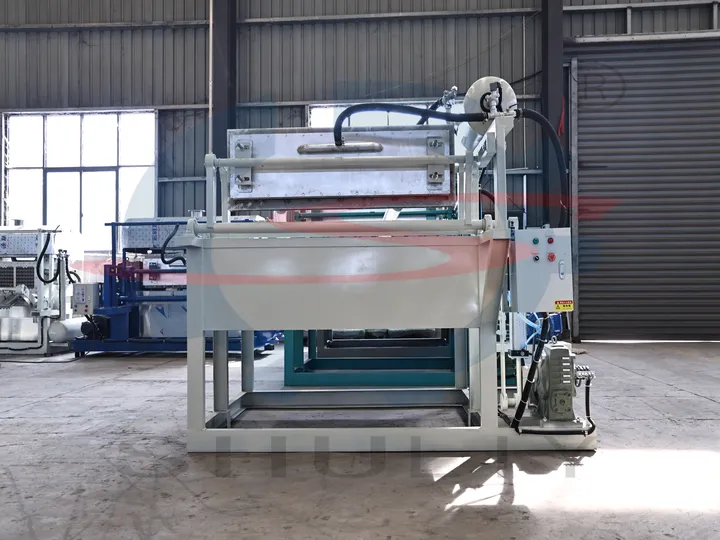
Малая линия производства яичных лотков
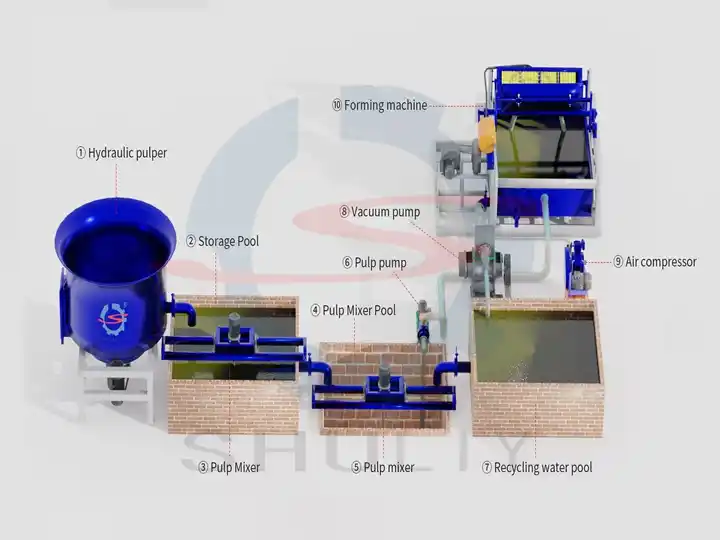
The small линия по производству яичных лотков mainly consists of the following parts:
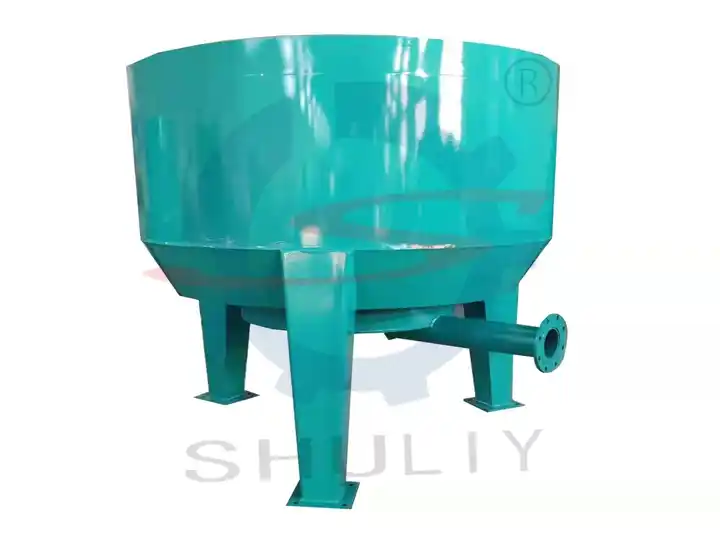
Система пульпирования
Waste paper such as newspapers, corrugated paper, and kraft paper is mixed with water, then stirred and crushed to form a uniform pulp mixture.
The pulp concentration can be adjusted according to production requirements, and a small amount of waterproofing agent can be added to improve moisture resistance. The maximum recommended water-to-paper ratio is 5:1, while the optimal ratio is generally around 10:1. A higher pulp concentration means more waste paper can be processed with less water; however, if the concentration is too high or too low, the final egg trays may not form properly.
During egg tray production, not only the pulp concentration needs to be properly controlled, but the pulp must also be thoroughly mixed and refined. In general, the pulping process takes approximately 20–40 minutes to achieve a uniform pulp consistency suitable for molding.
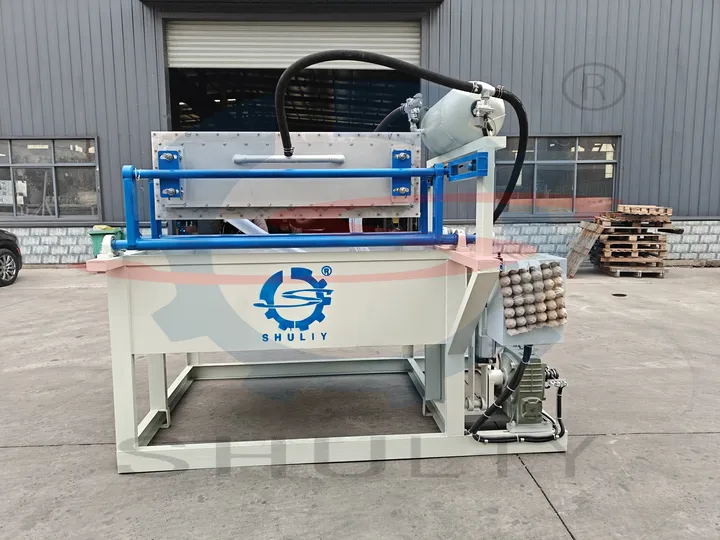
Формирующая система
Используются односторонние формы (3*1 или 4*1) с вакуумным всасыванием для равномерного формирования влажных лотков.
Каждый цикл может формировать несколько лотков одновременно, повышая производительность.
Система сушки
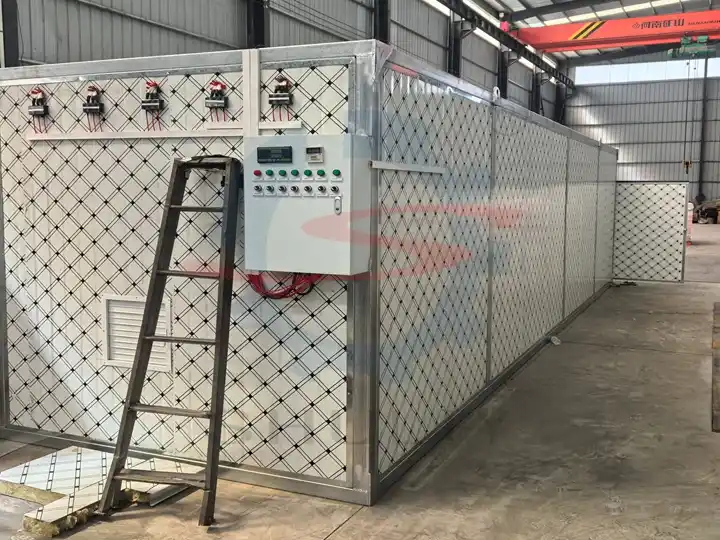
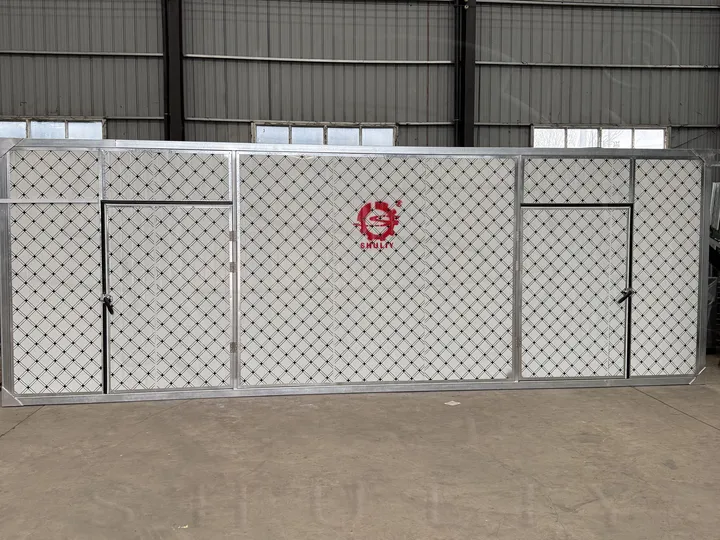
This egg tray drying room can dry approximately 1,000 egg trays per batch at 180–200°C, with a drying time of 30–40 минут.
After molding, the wet egg trays are placed on galvanized trays, loaded onto drying racks, and pushed into the drying room for hot-air drying. The room can hold 10–12 carts, with each cart carrying about 90–100 egg trays. An additional 10 carts can be equipped for continuous production.
Compared with natural sun drying, this method allows continuous production regardless of weather conditions, saves space, and improves drying stability. However, it requires more manual labor for tray loading, cart movement, and unloading.
Горячее прессование (по желанию)
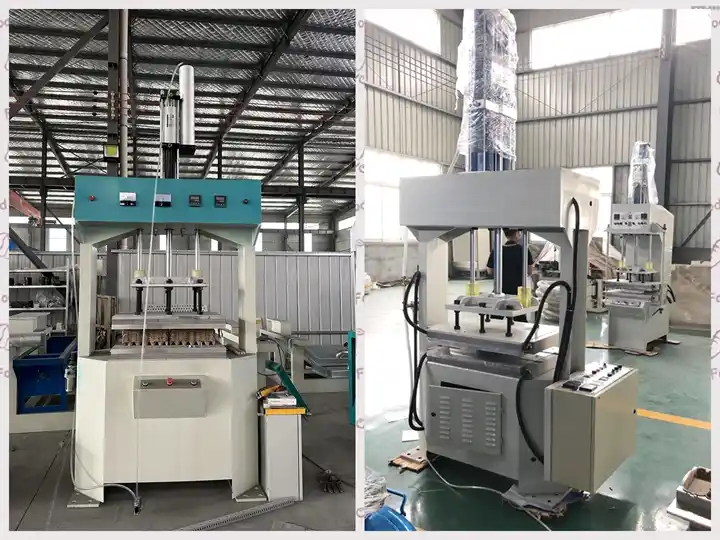
To achieve a smoother and more attractive surface, a small egg tray hot pressing machine can be used for further processing. This egg tray hot press molding machine uses electric heating to heat the pressing mold up to 200°C. Then, with a downward pressure of 20 tons from the hydraulic cylinder, it compresses the egg trays, making both sides of the trays smooth and evenly finished.
Packaging and Stacking
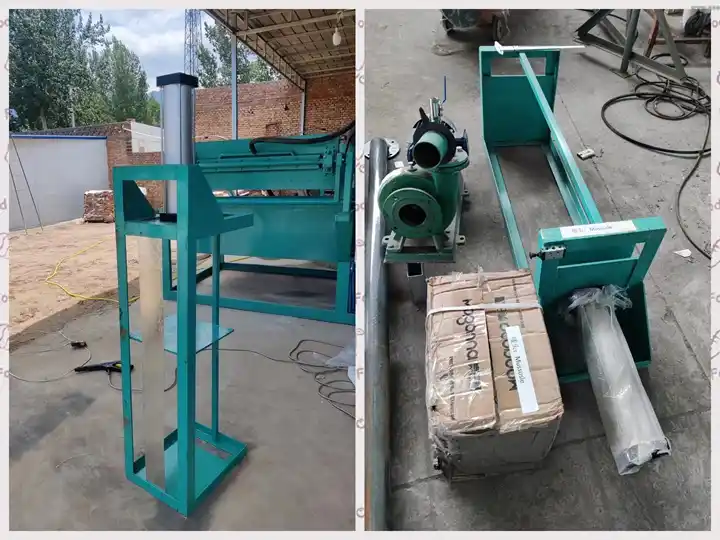
The egg tray packing machine provided by Shuliy uses a pneumatic cylinder to compress 70–120 egg trays into a compact stack. This process ensures that the stacked egg trays have a uniform length, making them easier to package, load, and transport.
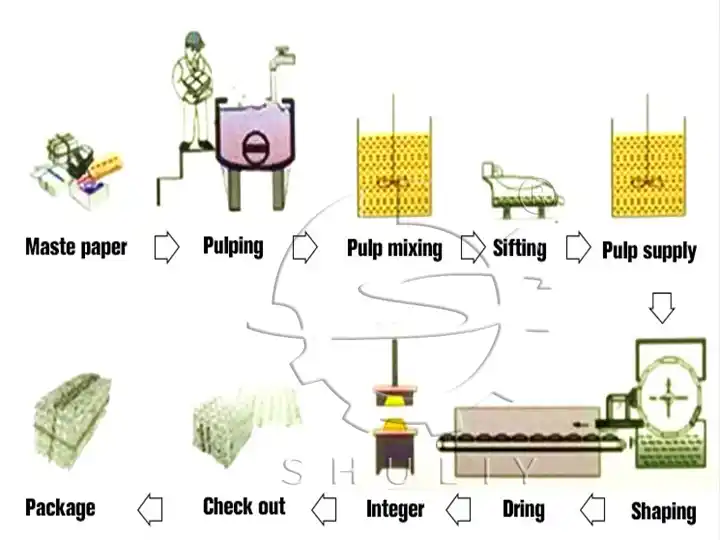
Полный процесс производства показан на схеме.
Drying Methods Compatible with Small Egg Tray Making Machines
Small egg tray making machines usually use two main drying methods: natural sun drying and drying room drying. The suitable method depends on production capacity, local climate conditions, and investment budget.
Естественная сушка на солнце
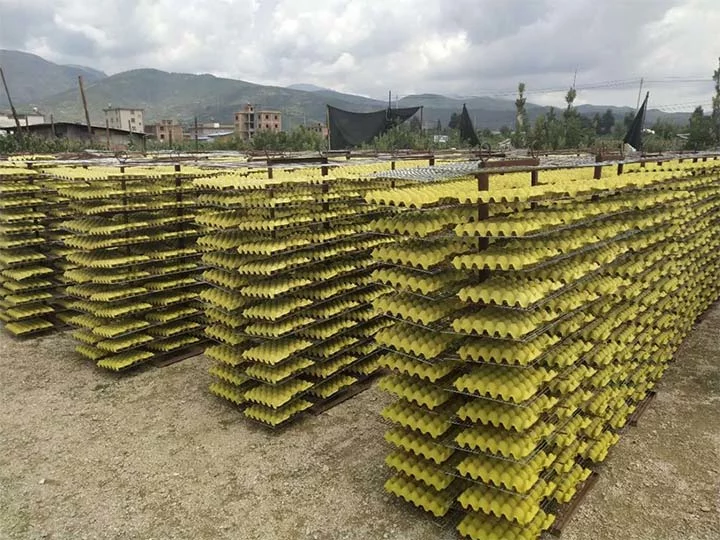
Natural drying is suitable for small-scale production of 1,000–2,000 egg trays per day, especially in areas with warm and dry climates. The drying time mainly depends on the weather conditions: at 30–35°C, egg trays usually need about 2 hours to dry; at around 25°C, drying may take about 5 hours; while in cold weather of 5–10°C, it may take up to 48 hours.
After molding, wet egg trays are placed on bamboo or galvanized trays, then loaded onto drying racks and moved to an open area. The trays are dried naturally through sunlight and airflow. Generally, 100–200 drying racks are required. Each rack can hold 24–30 mesh trays, and each mesh tray can hold 3–4 egg trays.
The main advantage of natural drying is that it requires no additional energy consumption, helping reduce production costs. However, it requires more labor, larger drying space, and depends heavily on weather conditions.
Drying Room / Cart Drying
For businesses requiring more stable production, a drying room or cart drying system is a better choice. This method can dry approximately 1,000 egg trays per batch at 180–200°C, with a drying time of about 30–40 минут.
After molding, the wet egg trays are placed on galvanized trays, loaded onto drying racks, and pushed into the drying room for hot-air drying. The drying room can accommodate 10–12 carts, with each cart holding approximately 90–100 egg trays. An additional 10 carts can be prepared for continuous circulation.
Compared with natural drying, this method allows stable production regardless of wind or rain, requires less space, and improves drying efficiency. However, it requires more labor for tray handling, cart movement, and loading/unloading operations.
Услуги, предоставляемые Shuliy
Shuliy предлагает комплексные услуги для обеспечения эффективной и безопасной работы оборудования:
- Проектирование решения: Настройка планов производства в зависимости от объема и пространства для стабильной и эффективной работы.
- Установка и запуск: Обеспечить на месте или дистанционное руководство для быстрого запуска оборудования.
- Обучение операторов: Обучение операторов процессам размягчения, формовки, сушки и обслуживания.
- Техническая поддержка и запасные части: Долгосрочное предоставление запасных частей и телефонная или дистанционная техническая поддержка.
- Обслуживание после продажи: Обеспечить регулярные проверки и рекомендации по обслуживанию для продления срока службы оборудования.
- Настройка и модернизация: Предлагаем услуги по настройке форм для литья, обновлению оборудования и расширению производственной линии.

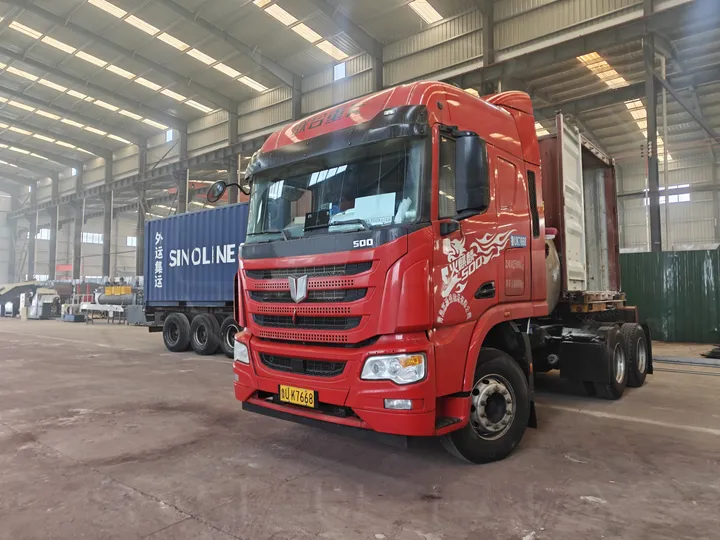
1500 шт/ч Машина для яичных лотков отправлена в Бразилию
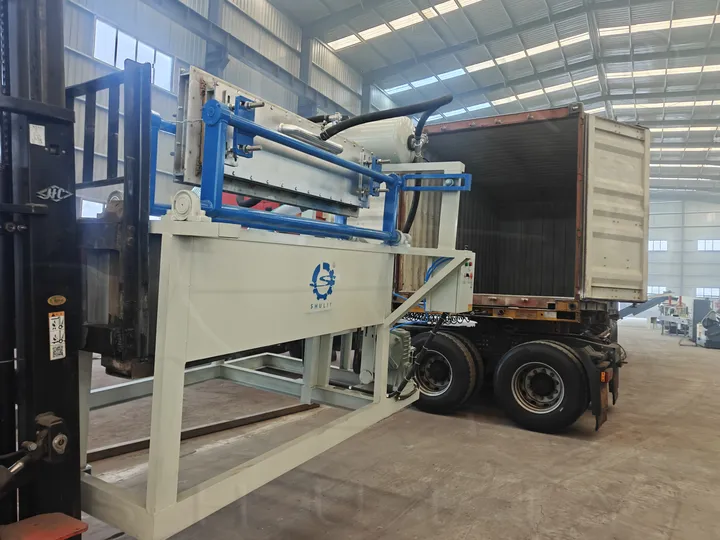
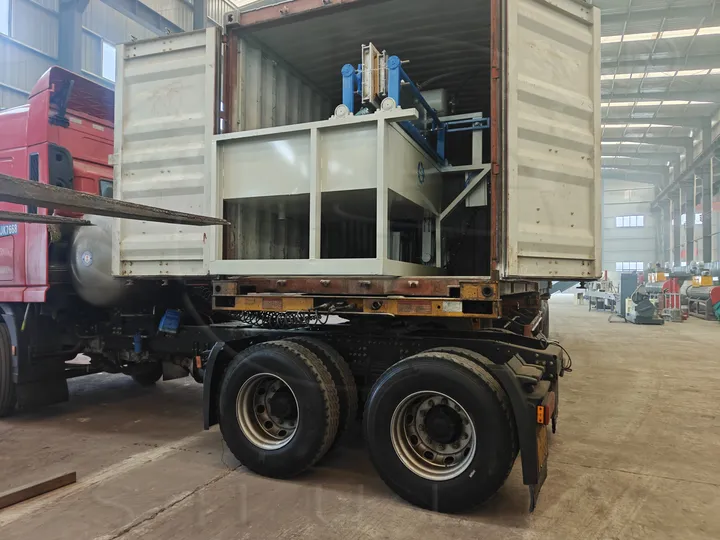
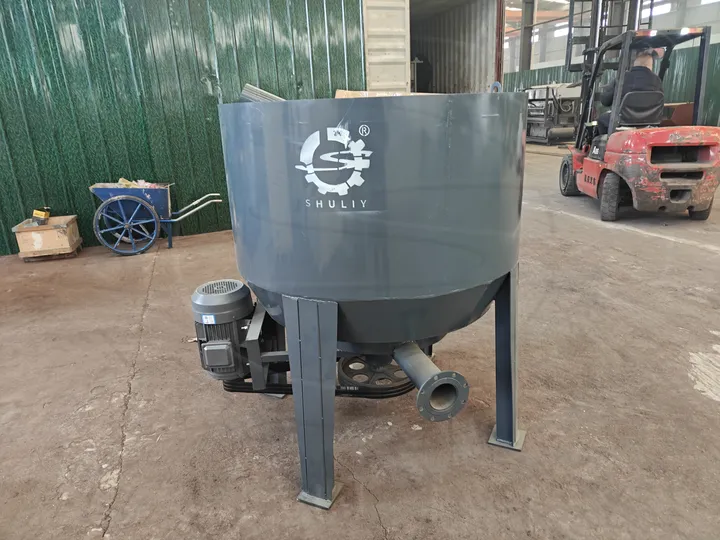
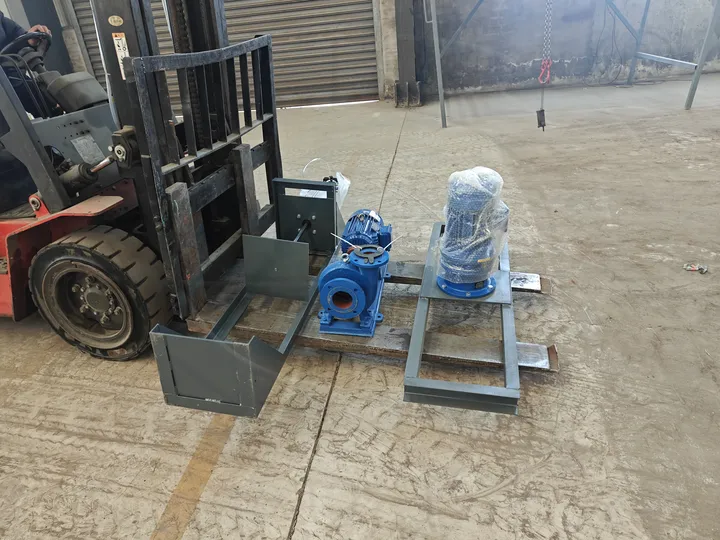
In 2026, a poultry farm in Paraná, Brazil, purchased Shuliy’s SL-1×4 egg tray making machine to produce eco-friendly paper egg trays in-house. Facing rising plastic packaging costs and increasing demand for sustainable solutions, the customer chose this 1500 pcs/h egg tray machine to improve packaging efficiency and reduce operating costs. The complete solution included the egg tray molding machine, pulping equipment, accessories, installation guidance, and technical support. After installation, the customer successfully upgraded from manual packaging to semi-automatic production, achieving higher productivity while reducing packaging expenses with recyclable pulp-based trays.
FAQ About Shuliy Small Egg Tray Machine
What is the standard size and egg diameter of the egg trays produced by this machine?
The standard 30-cell egg tray produced by this machine is approximately 29.5 × 29.5 cm, with a tray depth of about 46 мм. It is suitable for common egg sizes with diameters ranging from 44 mm to 50 mm. For larger eggs (up to around 52 mm), customized tray molds can be provided.
How much weight can one molded egg tray hold?
Although a standard egg tray usually weighs about 65–75 g, its molded pulp structure provides excellent strength. Under normal conditions, a finished egg tray can withstand the weight of an adult person without breaking when pressure is evenly distributed.
How much moisture does a finished wet egg tray contain after molding?
After the molding process, the moisture content of a wet egg tray is usually around 60–70%. For example, an 80 g egg tray contains approximately 160 g of water, making the total wet weight about 240 g before drying.
What is the production cost of one recycled paper egg tray?
The production cost depends on local waste paper prices, electricity costs, labor, and drying methods. Taking waste paper as an example, if 1 ton of waste paper costs $200 and produces around 12,500 pieces of 80 g egg trays, the raw material cost is approximately $0.016 per tray. Other costs should be calculated according to local conditions.
Can this small egg tray machine produce trays in different colors?
Yes. Different colors can be achieved by adding suitable pigments into the pulp mixing tank before molding. Common colors include blue, green, yellow, and red, which are often used for customized packaging or brand identification.
How can I make the egg trays stronger and harder?
To increase the strength and hardness of molded pulp egg trays, additives such as lime powder or agricultural fibers like bagasse (sugarcane residue) can be added to the pulp. Adjusting pulp concentration and drying conditions can also improve tray strength.
How long is the service life of the egg tray machine mold?
Under normal operating conditions, the molding mold can usually be used for about 2 years or longer. The actual lifespan depends on production frequency, maintenance, and whether abrasive materials enter the pulp system.
Which parts of the egg tray machine are made of stainless steel?
The parts include the mold chamber, pulp tank, machine cover, and mold wire mesh.
Can the egg tray machine be used for products other than egg trays?
Yes. By changing molds, the same pulp molding technology can produce other packaging products, such as fruit trays, bottle trays, coffee cup holders, and industrial protective packaging.
Does the egg tray production process require special environmental conditions?
The machine can operate in normal factory environments. However, a well-ventilated workshop with enough drying space is recommended because molded pulp products contain high moisture after forming and require effective drying before packaging.