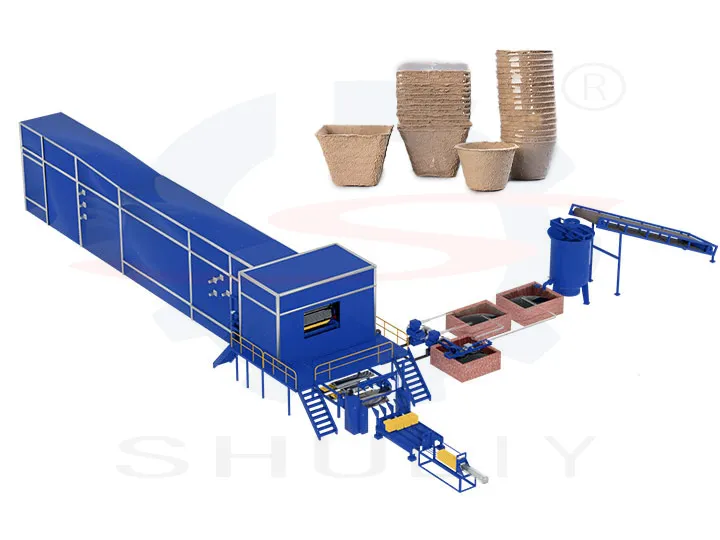
パルプ成形苗木トレイ生産ライン | 自動育苗トレイ製造システム
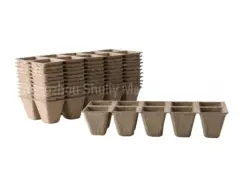
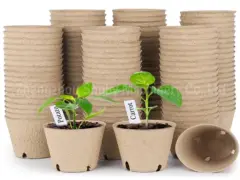
| ブランド | シュリ機械 |
| モデル | SLシリーズ |
| 容量 | 1000-7000個/時 |
| パワー | 38-120キロワット |
| 電圧 | 380V、50HZ |
| サイズ | 参考技術パラメータ表 |
| 保証 | 12ヶ月 |
| 価格 | カスタマイズされた見積もり |
今、私たちのプロジェクトマネージャーに技術的な詳細を尋ねることができます
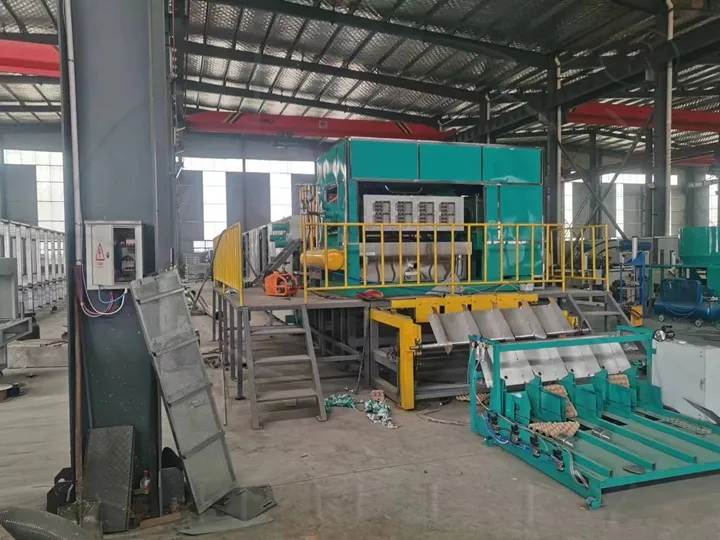
その pulp molded seedling tray production line is a fully automated manufacturing system engineered to convert recycled paper pulp into biodegradable nursery trays. This industrial-grade equipment produces 1,000 to 7,000 seedling trays per hour, transforming waste paper, cardboard, and agricultural residues into eco-friendly planting containers for commercial nurseries, vegetable farms, and forestry operations.
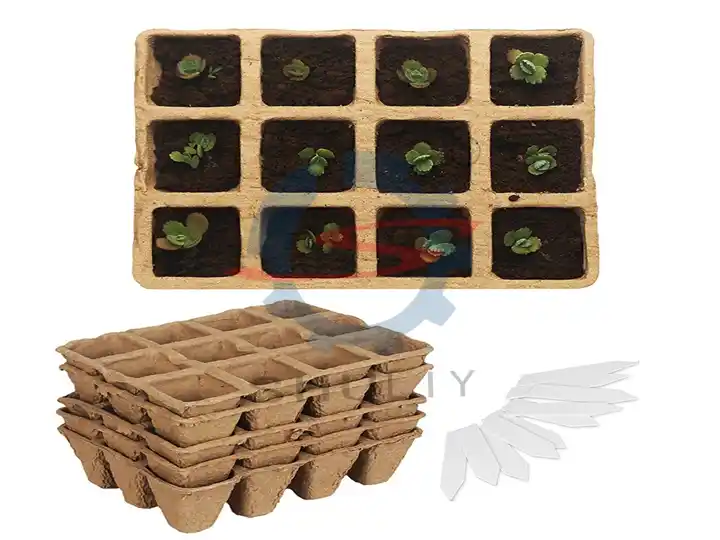
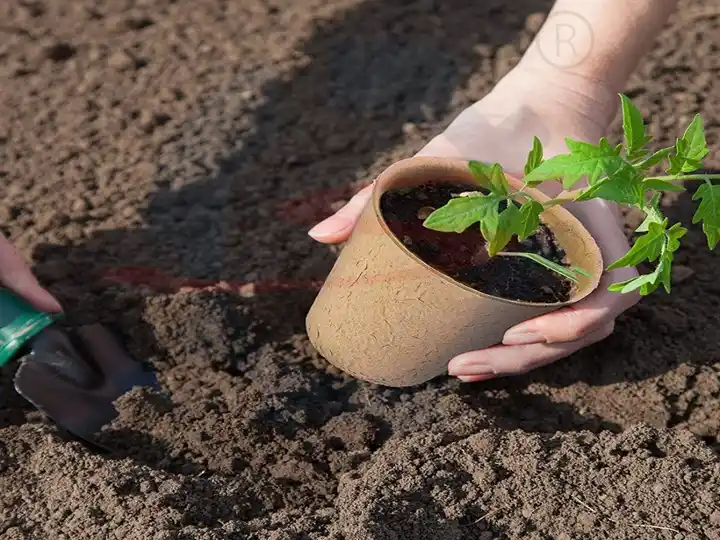
Unlike conventional plastic seedling trays that persist in soil for centuries, pulp molded trays naturally decompose within 3-6 months after transplantation, eliminating root disturbance and reducing plastic pollution. The production line integrates pulping, precision molding, automated drying, and hot-pressing technologies to deliver consistent tray quality with customizable hole configurations ranging from 50 to 288 cells per tray.
Shuliy Machineryは、14年以上のパルプ成形の専門知識を農業包装ソリューションに提供し、毎年50以上の生産ラインをヨーロッパ、北米、アジア太平洋地域の苗木農場に輸出しています。当社のエンジニアチームは、レイアウト設計、設置監督、オペレーター研修を提供し、スムーズな生産開始を支援します。
Shuliy苗木トレイ生産ラインの技術仕様
| モデル | 容量 | パワー | 電圧 | 重量 | パルプ使用量 | 水の使用量 | サイズ(mm) |
| SL-1000-3X1 | 1,000トレイ/時 | 38 kW | 380V、50Hz | 2,500 kg | 80 kg/h | 160 kg/h | 2600×2200×1900 |
| SL-1500-4X1 | 1,500トレイ/時 | 38 kW | 380V、50Hz | 3,000 kg | 120 kg/h | 240 kg/h | 2800×2200×1900 |
| SL-2500-3X4 | 2,500トレイ/時 | 55 kW | 380V、50Hz | 4,000kg | 200 kg/h | 400 kg/h | 2900×1800×1800 |
| SL-3000-4X4 | 3,000トレイ/時 | 60 kW | 380V、50Hz | 4,800kg | 240 kg/h | 480 kg/h | 3250×1800×1800 |
| SL-4000-4X8 | 4,000トレイ/時 | 95 kW | 380V、50Hz | 7,000kg | 320 kg/h | 640 kg/h | 3250×2300×2500 |
| SL-5000-5X8 | 5,000トレイ/時 | 95 kW | 380V、50Hz | 8,000kg | 400 kg/h | 800 kg/h | 3700×2300×2500 |
| SL-7000-6X8 | 7,000トレイ/時 | 120 kW | 380V、50Hz | 10,000kg | 480 kg/h | 960 kg/h | 3200×2300×2500 |
すべてのモデルは、特定のトレイ寸法、穴数、自動化レベルに合わせてカスタマイズ可能です。電圧と周波数は、リクエストに応じて現地の電気規格に適合させることができます。
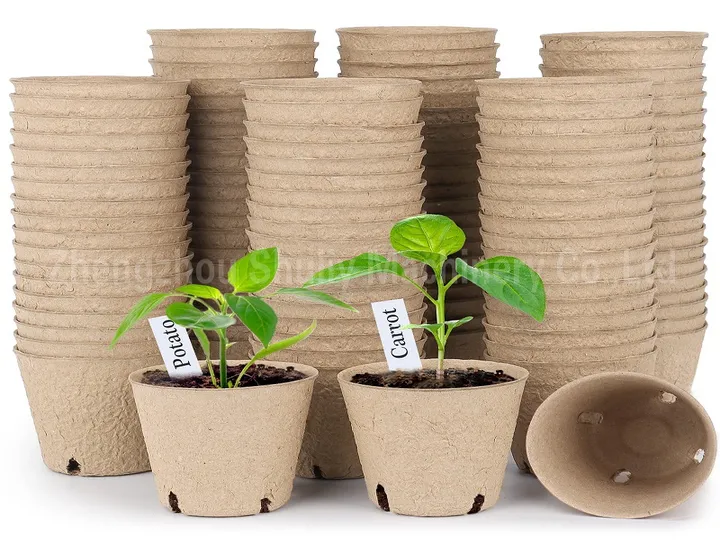
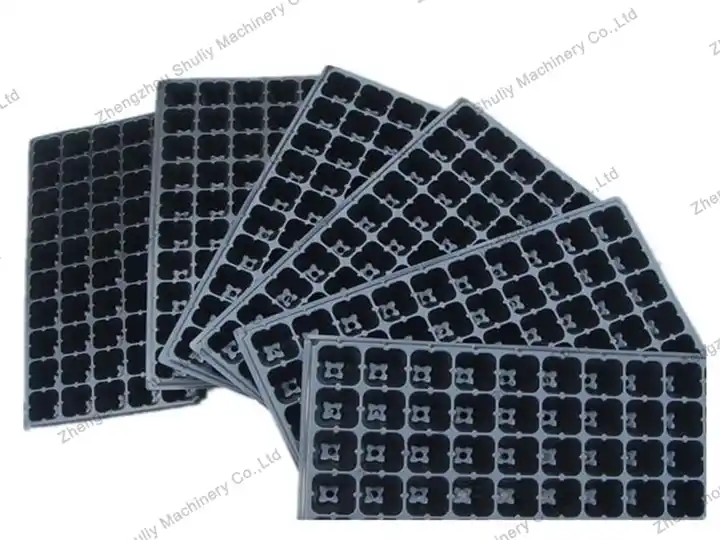
パルプ成形苗木トレイとは何ですか?
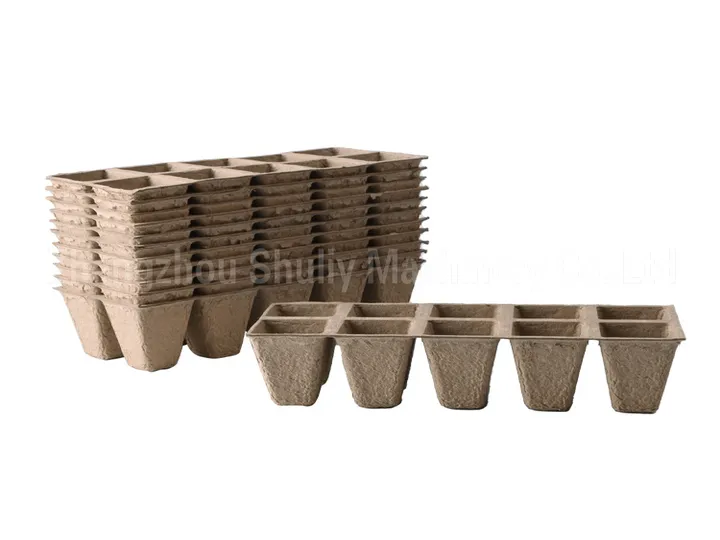
パルプ成形苗木トレイは、リサイクル紙繊維から作られる生分解性の植栽容器です。これらのトレイは複数の個別セルを持ち、成長媒質と種子を保持し、発芽と苗木の早期成長のための整理されたシステムを提供します。プラスチックの代替品とは異なり、パルプトレイは土壌に直接植えられ、自然に分解し、有害な残留物を残しません。
パルプ苗木トレイの主な特徴
- 生分解性土壌条件下で3-6ヶ月以内に完全分解
- 根の浸透:繊維構造により根がトレイの壁を通って成長でき、移植ショックを排除
- 水分保持:天然繊維の構成により、種子発芽に最適な湿度レベルを維持
- 通気性:多孔構造は根の酸素交換を促進
- カスタマイズ可能な構成穴の数は50から288セル、深さは40mmから80mmまで
苗木トレイ生産ラインの主な構成要素
1. パルピングシステム
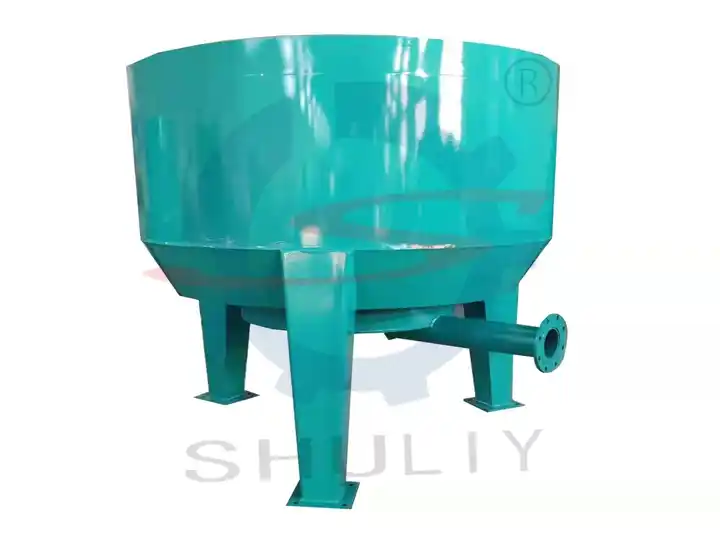
パルピングシステムは、原材料を均一な繊維スラリーに処理します。主な構成要素は:
- 油圧パルパー:7.5-45kWモーターオプションの高せん断混合室、1回あたり1.2-8立方メートル処理
- 振動スクリーン:汚染物質を除去し、一貫したパルプの濃度を確保
- リファイナー:トレイの強度を向上させるために繊維をさらに処理
- パルプポンプ:調整された流量で準備されたスラリーを成形ステーションに移送
2. 精密成形システム
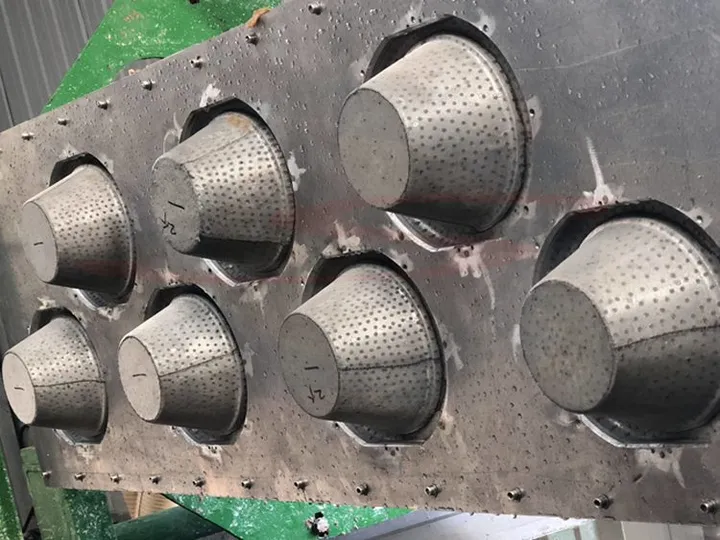
成形システムは、真空成形技術を用いて湿ったパルプを正確なトレイ構成に形成します:
- 成形金型:真空チャネル付きCNC加工アルミまたはブロンズ金型で正確なセル定義
- 真空システム:-0.04から-0.06 MPaの産業用真空ポンプで、均一な繊維堆積を実現
- 移送メカニズム:自動湿トレイの乾燥システムへの移送
- クイックチェンジ設計:異なるトレイ仕様に対して30分以内に金型を交換可能
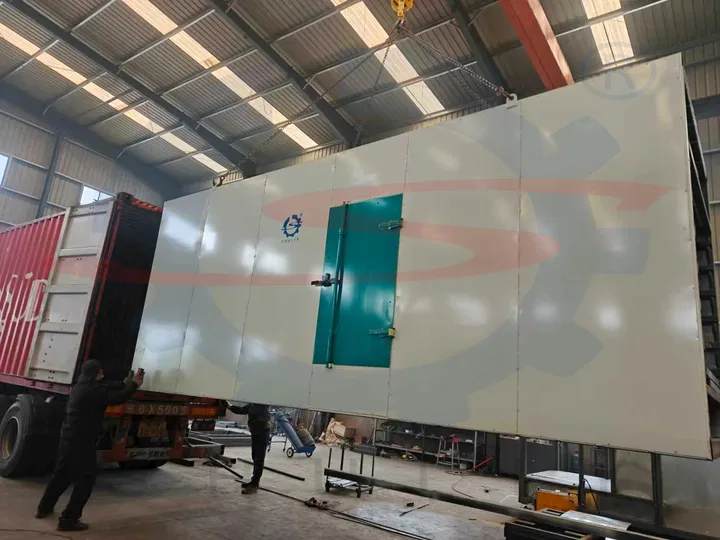
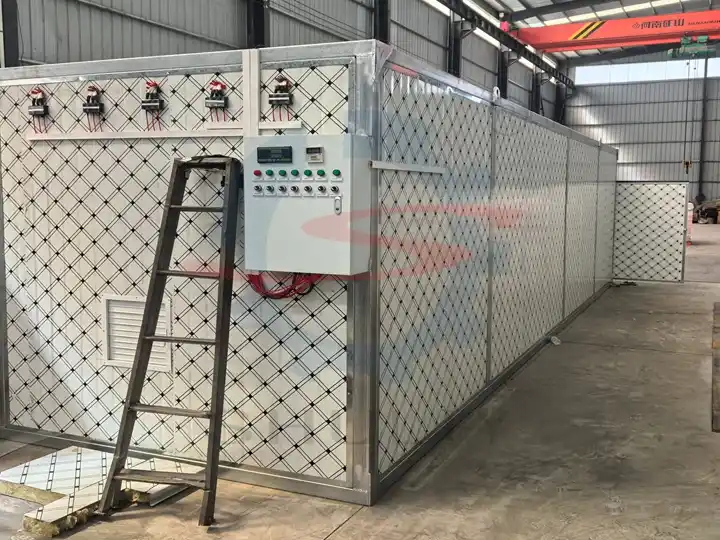
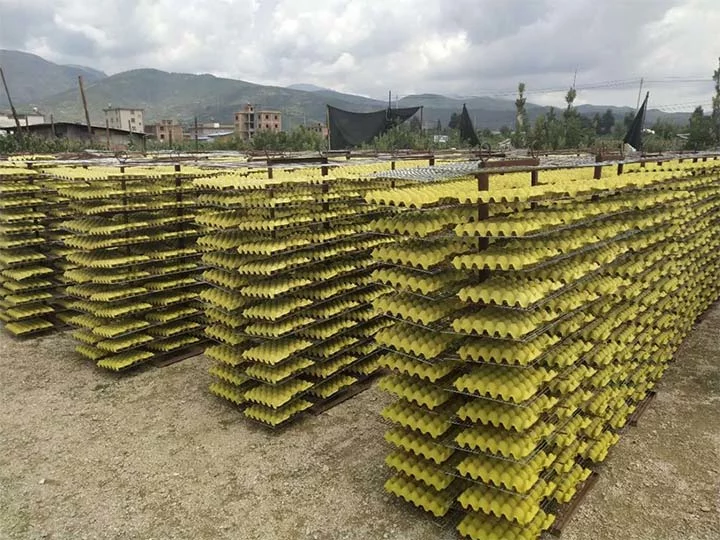
3. 乾燥システム
さまざまな生産規模とエネルギー供給に対応した複数の乾燥オプション:
- 自然乾燥:小規模運用向けの太陽乾燥ラック(SL-1000/1500モデル)
- 乾燥室:ホットエア循環式バッチ乾燥室、2-12トロリー容量
- レンガ乾燥トンネル:加熱されたレンガトンネルを通る連続コンベヤ、燃料効率の良い設計
- 金属メッシュベルト乾燥機:多層連続乾燥と正確な温度制御(160-220°C)
4. 熱圧着と仕上げ
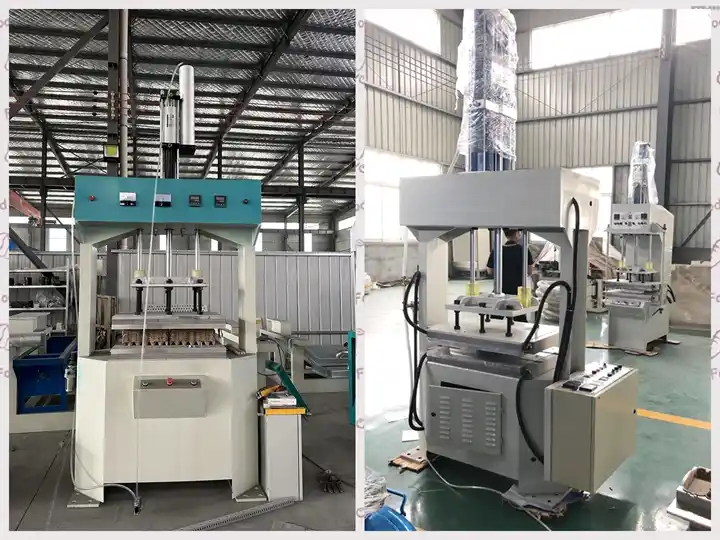
最終処理によりトレイの耐久性と外観品質を確保:
- ホットプレス機:表面滑らかさと構造密度を高めるための120-200°Cプレス
- トリミングステーション:余分な材料を除去し、トレイの寸法を均一に保つ
- 積み重ねシステム:自動カウントとバンドルによる梱包効率化
原材料と用途
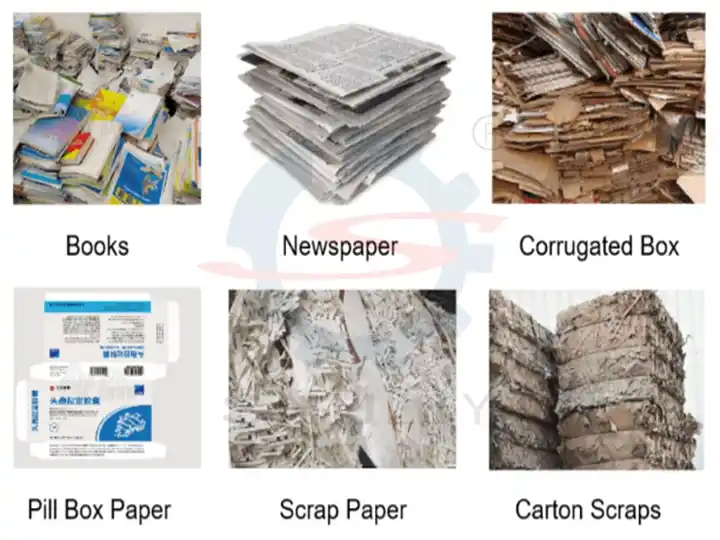
適した原材料
紙ベース材料
- 廃段ボール(OCC)
- 古新聞(ONP)
- 段ボール紙
- オフィス紙の廃棄物
- 本や雑誌の紙
ターゲット産業と用途
- 商業用野菜苗床:トマト、ピーマン、キュウリ、レタスの苗木生産
- 観賞用植物の繁殖:花苗、 bedding植物、鉢植え観賞植物
- 林業と再造林:木材生産と環境修復のための苗木
- ヘンプと医療用カンナビス医薬品作物のコントロール環境農業
- 研究と教育:大学の農業プログラムと植物研究施設
Shuliy苗木トレイ生産ラインの利点
Environmental Sustainability
廃紙を生分解性製品に変換し、埋立地の負担とプラスチック汚染を削減します。トレイはEN 13432の堆肥化基準を満たし、1つの成長シーズン内に完全に分解します。
Operational Efficiency
完全自動化された操作により、手作業によるトレイ充填と比較して労働力を60%削減します。PLC制御システムにより、1人のオペレーターが全生産サイクルを監視可能です。
Product Customization
モジュール式金型設計により、トレイ構成の迅速な切り替えが可能です。セル数、深さ、トレイ寸法は、特定の作物要件や機械化された植え付け装置に合わせて変更できます。
Structural Integrity
熱圧着技術は、空気乾燥より40%高い湿強度を持つトレイを生産します。トレイは自動充填、給水、輸送中も構造的完全性を維持します。
Energy Flexibility
乾燥システムは電気、天然ガス、ディーゼル、バイオマス、石炭など複数の燃料源に対応します。熱回収システムにより、従来の設計と比較してエネルギー消費を25-30%削減します。
Precision Engineering
CNC加工金型は±0.5mm以内の寸法公差を維持します。真空成形により、均一な壁厚と標準化された成長条件のセル容量を確保します。
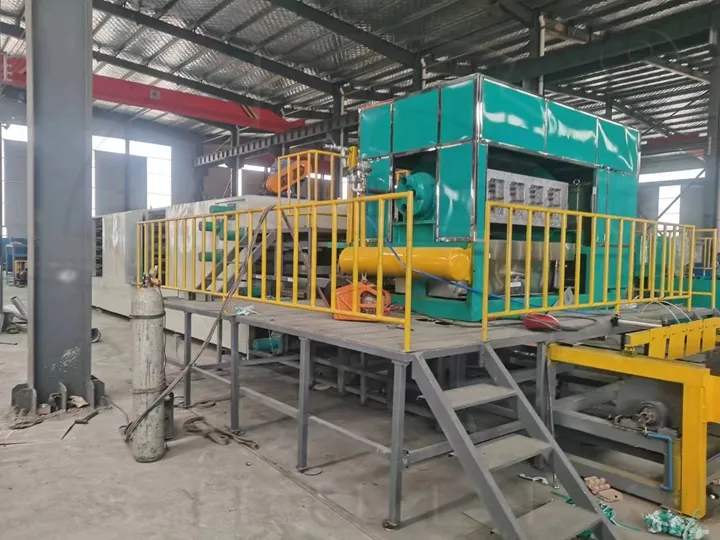
作業工程:廃紙から完成トレイまで
ステップ1:原材料準備とパルピング
廃紙と段ボールは水とともに油圧パルパーに投入され、比率は1:10です。高せん断混合により、20-40分で繊維が分解され、均一なスラリー(3-5%濃度)が作られます。サイズ剤や染料などの添加剤もこの段階で加えられ、水抵抗や色分けを強化します。
ステップ2:真空成形
パルプスラリーは成形ステーションにポンプで送られ、精密金型に浸され、真空が適用されます。負圧により繊維が金型表面に引き寄せられ、定義されたセル構造を持つ湿ったトレイのブランクが形成されます。余分な水分は金型の真空チャネルを通じて除去され、含水率は65-70%に減少します。
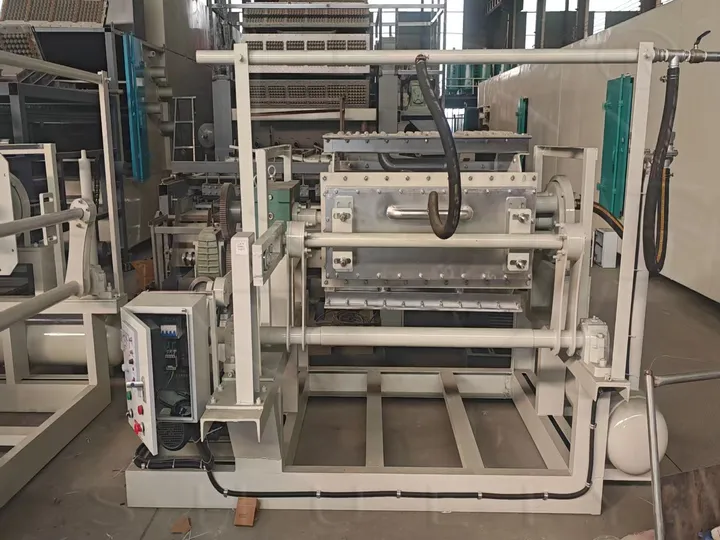
ステップ3:乾燥と固化
湿ったトレイは乾燥システムに入り、160-220°Cの熱風により水分を8-12%に減少させます。多層ベルト乾燥機は連続処理を提供し、滞留時間は8-15分です。乾燥過程で繊維内の天然バインダーが結晶化し、構造強度を高めます。
ステップ4:熱圧着と仕上げ
乾燥トレイは120-200°Cで熱圧縮され、表面を滑らかにし、セル壁を圧縮します。この処理により密度が増し、自動苗床運用に必要な剛性が生まれます。最終的なトリミングでフラッシュや不規則なエッジを除去し、自動積み重ねと梱包を行います。
重要な苗床運用課題の解決
課題:移植ショックと根の損傷
Traditional Problem: Plastic trays require manual removal of seedlings, causing root disturbance and transplant shock that reduces crop establishment rates by 15-25%.
シャリーソリューション: Pulp trays transplant directly into soil with seedlings, eliminating root exposure. The fibrous structure allows natural root penetration, maintaining mycorrhizal networks and reducing establishment time by 30%.
課題:プラスチック廃棄物管理コスト
Traditional Problem: Commercial nurseries generate metric tons of plastic tray waste annually, incurring disposal fees and environmental compliance costs exceeding $50,000 per year for large operations.
シャリーソリューション: Biodegradable trays eliminate disposal costs entirely. trays compost directly in fields, contributing organic matter to soil structure while meeting increasingly stringent agricultural plastic regulations.
課題:トレイの品質不均一
Traditional Problem: Imported trays often show dimensional variations that jam automated filling equipment, causing production line stoppages and seed waste.
シャリーソリューション: In-house production ensures consistent quality control. CNC-machined molds maintain precise tolerances, producing trays compatible with industry-standard filling and transplanting machinery from manufacturers like Visser, Mayer, and URBINATI.
顧客成功事例:ヨーロッパの野菜苗床
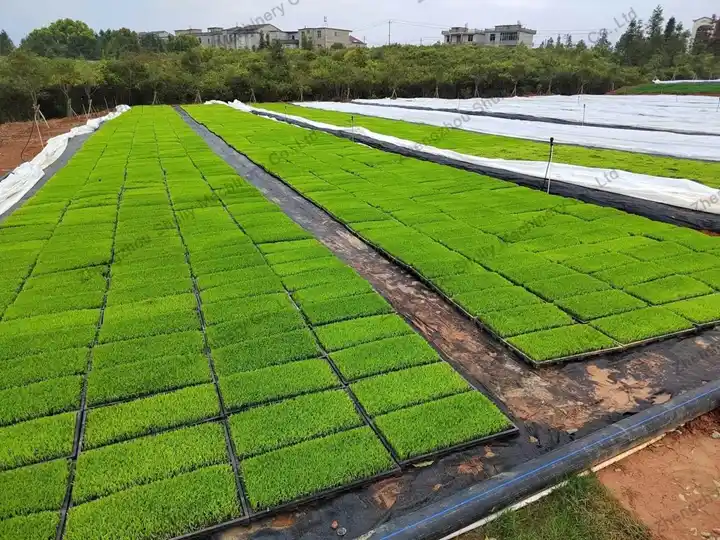
オランダの商業用野菜育苗場は、小売顧客からの一回使い捨てプラスチックの排除圧力が高まっていました。2023年にShuliy SL-3000苗トレイ生産ラインを導入したことで、繁殖活動において完全なプラスチック独立を達成しました。
プロジェクト仕様
- 設備:SL-3000-4X4金属メッシュベルト乾燥機付き生産ライン
- 生産能力:72セル構成で毎時3,000トレイ
- 年間生産量:1,200万トレイ、全苗木需要を満たす
- 原材料: 地元の包装廃棄物流からリサイクル段ボール
- ROI期間: 18ヶ月と従来のプラストレイ購入コストの比較
運用結果
育苗場は移植作業コストを40%削減し、プラスチック廃棄物処理費用を完全に排除しました。生分解性包装による持続可能性認証により顧客満足度も向上しました。生産ラインは1日16時間稼働し、二交代制で運営され、運用開始初年度の稼働率は98%に達しました。
なぜShuliyを苗木トレイ生産ラインの選択肢に?
実績のある製造の卓越性
Shuliy Machineryは、CNC加工センター、レーザーカット装置、自動溶接システムを備えた15,000平方メートルの製造施設を運営しています。各生産ラインは出荷前に72時間の連続試験を行い、設置初日から信頼性の高い性能を保証します。
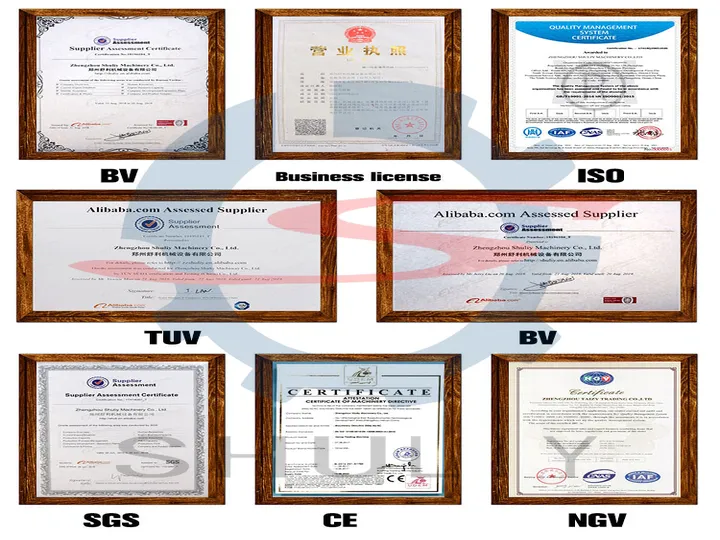
包括的な認証ポートフォリオ
- CE認証:ヨーロッパの機械安全基準に完全準拠
- ISO 9001:2015品質管理システム認証
- SGS検証独立工場と製品検査
- TÜV Rheinland電気安全と電磁両立性
グローバルサポートインフラ
- 設置監督世界中で現場立ち上げに対応できる経験豊富なエンジニア
- オペレーター研修:運用、保守、トラブルシューティングをカバーする包括的なプログラム
- 予備部品ネットワーク:ヨーロッパ、北米、アジアの地域倉庫から迅速な部品配送
- 技術サポート:ビデオ会議と専用ホットラインによる24/7リモートサポート
- 保証の範囲:12ヶ月の包括的保証と延長サービス契約も利用可能
関連製品と生産ソリューション
これらの補完的なShuliyソリューションで持続可能な包装エコシステムを完成させましょう:
- 苗トレイ製造機:小規模運用や多角化のためのスタンドアロン成形ユニット
- パルピング機器最適な繊維調整のための高容量ハイドラパルパーと精製システム
- 乾燥設備さまざまな生産規模に対応した省エネ乾燥室と連続ベルト乾燥機
- 熱プレス成形機:高精度仕上げ装置によるトレイの耐久性向上
- 卵トレイ生産ライン家禽包装市場向けの並列生産能力
- フルーツトレイ生産ライン:果樹園運用のための農業包装の多角化
カスタム生産ソリューションのリクエスト
Shuliyのエンジニアリングチームは、特定の作物要件、生産目標、施設の制約に合わせたカスタマイズされた苗木トレイ生産ソリューションを開発します。設計サービスには:
- ワークフロー効率化のための3D施設レイアウト最適化
- 独自のトレイ構成のためのカスタム金型設計
- 再生可能エネルギー源のためのエネルギーシステム統合
- Industry 4.0対応の自動化アップグレード
- 原材料調達とサプライチェーンのコンサルティング
今日、私たちの農業包装の専門家にご連絡いただき、苗木トレイの生産要件についてご相談ください。設備仕様、レイアウト図、投資分析を含む詳細なプロジェクト提案を提供します。