SL-4×4 Egg Tray Production Line with Brick Dryer Successfully Installed in Tanzania
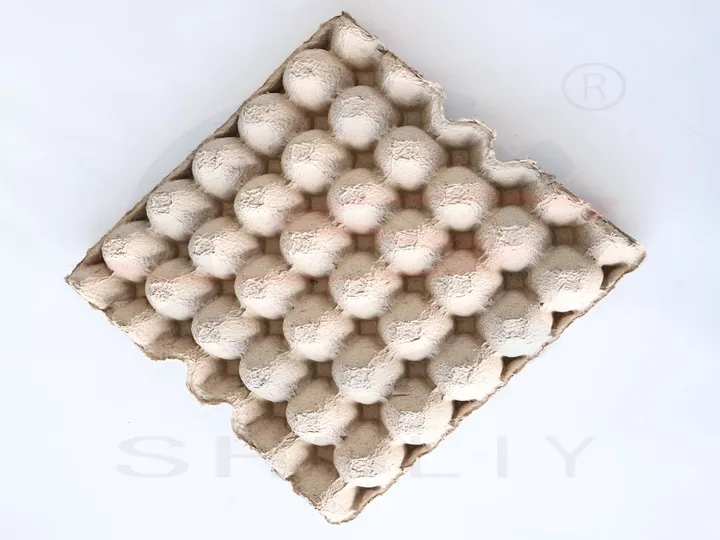
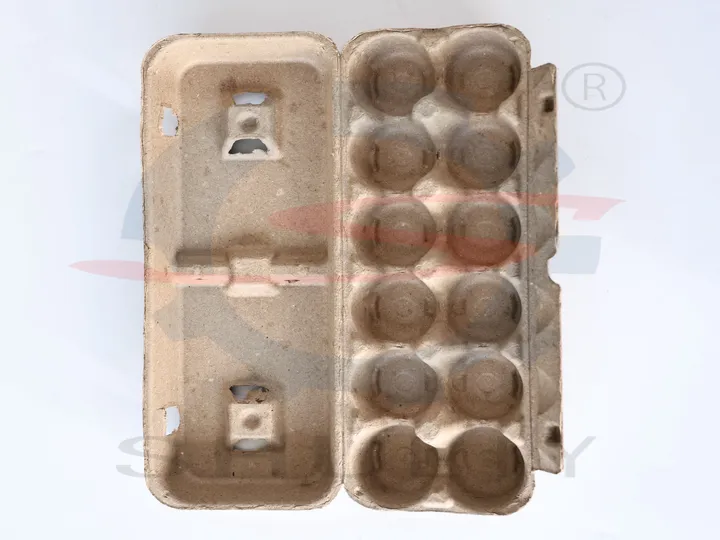
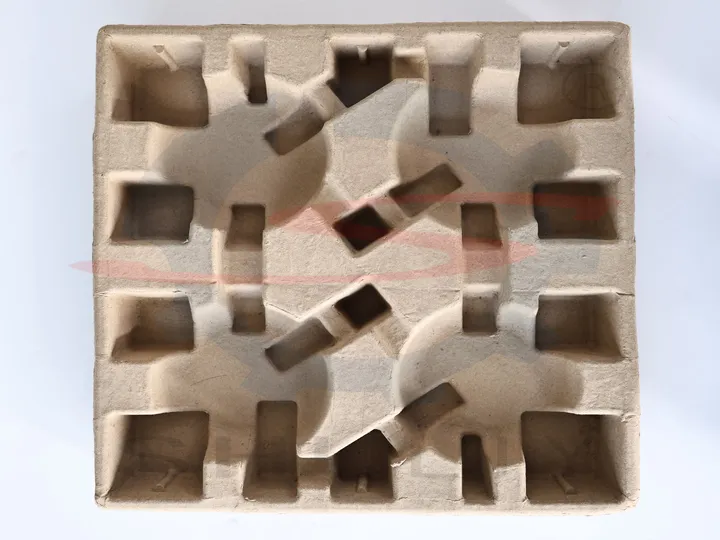
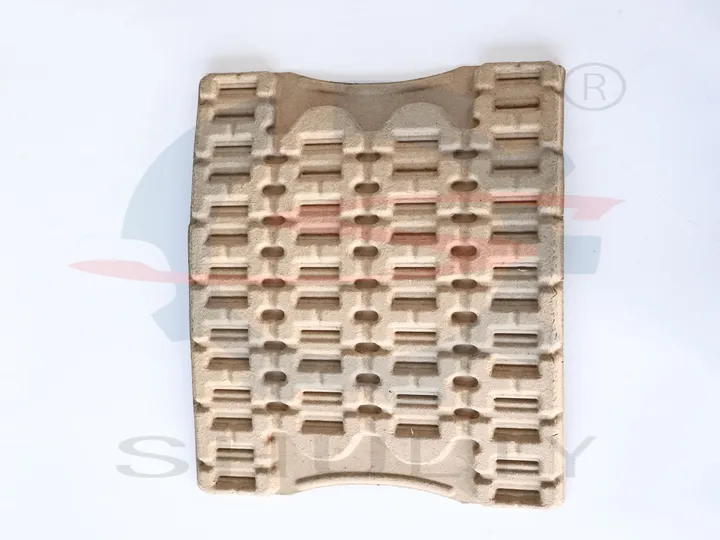
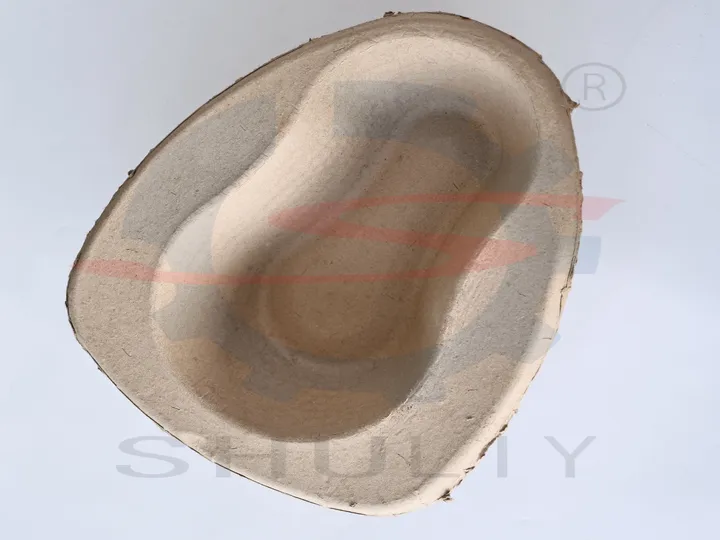
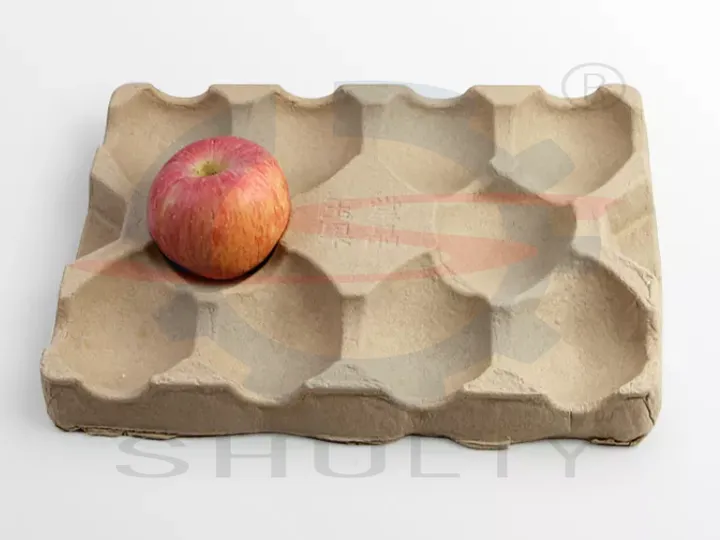
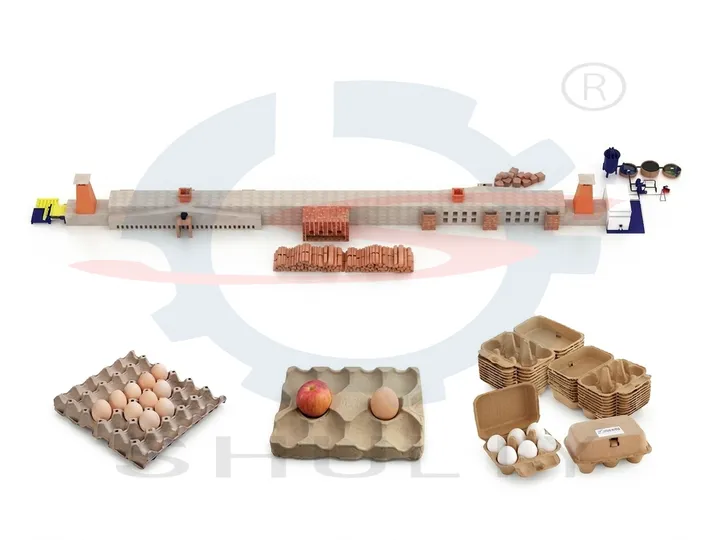
A poultry packaging entrepreneur in Tanzania recently completed installation of an egg tray production line with brick dryer. The project uses the SL-4×4 model, which produces approximately 3,000 standard 49-cell egg trays per hour. Shuliy dispatched an engineer to the customer’s facility near Dar es Salaam to supervise installation, commission the brick drying tunnel, and train local operators. The line is now running at stable output, supplying egg trays to poultry farms across the region.
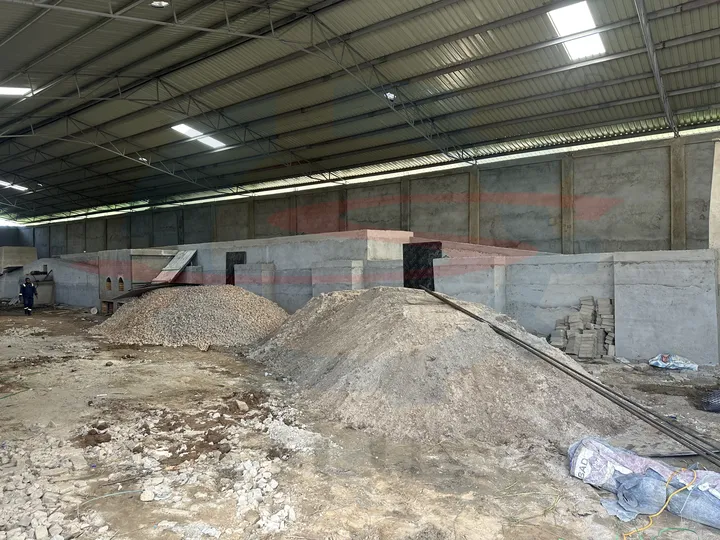
This project demonstrates how a brick drying egg tray production line can be deployed in East Africa using locally available fuels, a compact facility layout, and containerized delivery. For buyers in Tanzania, Kenya, Uganda, and neighboring markets, the case offers a practical reference for capacity planning, installation timelines, and operational expectations.
Customer Background and Project Requirements
The customer operates a medium-scale poultry supply business in Tanzania. Before installing the Shuliy line, the company purchased egg trays from local suppliers. Prices were unstable. Delivery schedules were unreliable. Quality varied between batches. The customer decided to integrate tray manufacturing into the existing business to control supply and reduce packaging costs.
The project requirements were clear:
- Produce at least 50,000 egg trays per day on a 20-hour shift schedule
- Use waste paper and cardboard as raw material
- Avoid building a separate drying facility
- Operate with natural gas or solid fuel depending on local availability
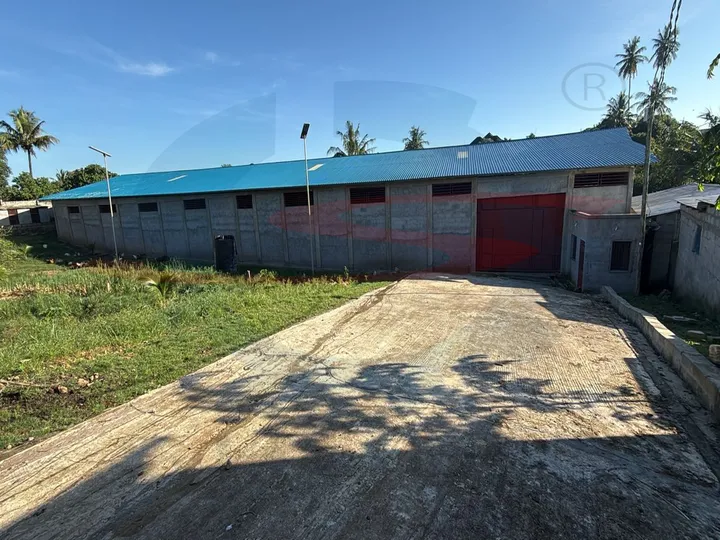
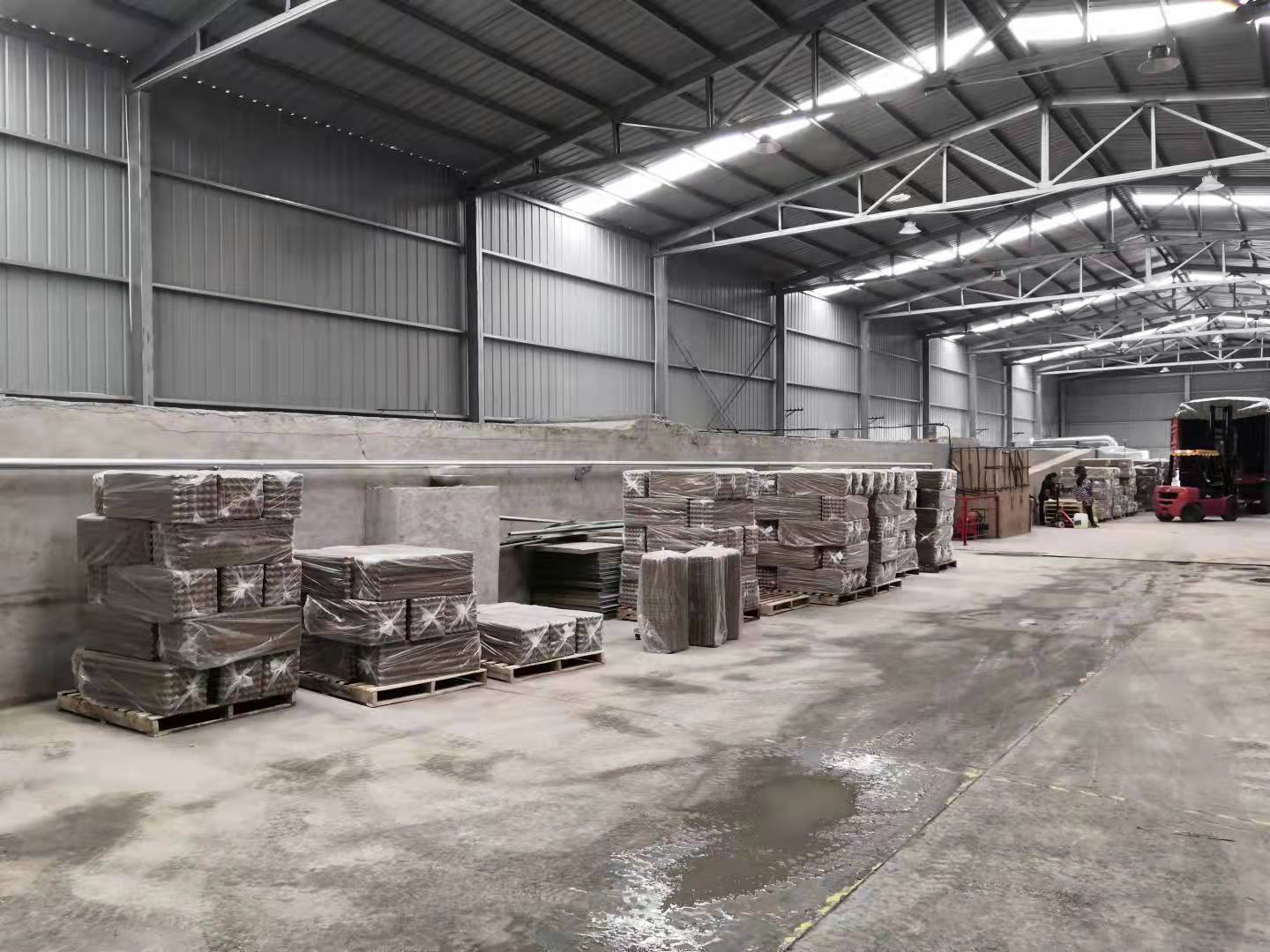
- Fit the equipment inside an existing industrial building
- Complete installation and training within a reasonable timeline
After reviewing several configurations, the customer selected the SL-4×4 egg tray production line with a brick dryer.
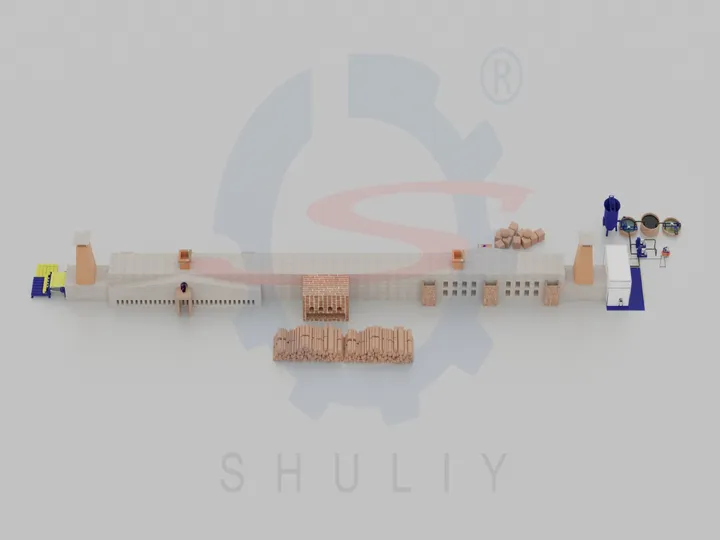
Why Did the Customer Choose the SL-4×4 Model?
The SL-4×4 sits in the middle of the SL-series range. It balances output, footprint, and investment scale. The model produces 3,000 trays per hour and approximately 60,000 trays per day when running two shifts. This matched the customer’s target without forcing a jump to the larger SL4-8 or SL5-8 footprint.
Key Specifications of the Installed Line
| パラメータ | SL-4×4 Specification |
|---|---|
| Hourly output | 3,000 pieces |
| Daily output (20 hrs) | 60,000 pieces |
| Forming power | 95 kW |
| Drying power | 18 kW |
| Total installed power | 113 kW |
| Actual power draw | About 70% of installed capacity |
| 電源 | 380V / 50Hz, 3-phase |
| Machine weight | 7 tons |
| Minimum facility length | ≥50 m |
| Minimum facility width | ≥10 m |
| Drying temperature | 180-200°C |
| 熱源 | Natural gas + optional coal firing |
| Shipping | 40-foot standard container |
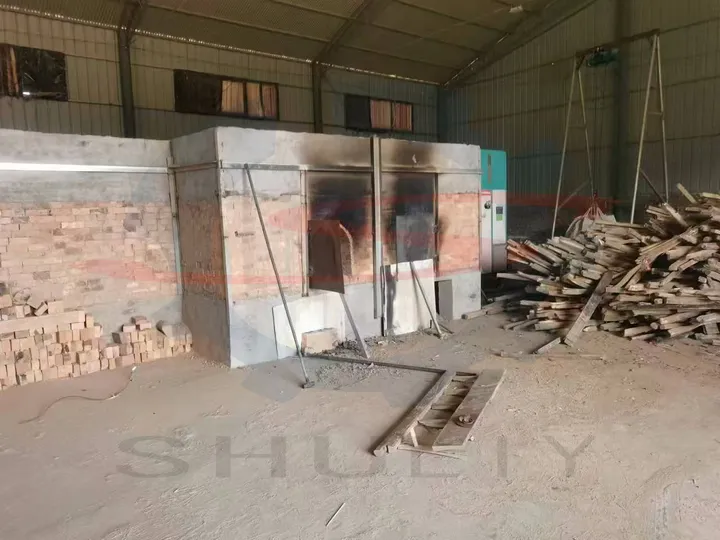
The customer also highly praised the integrated brick dryer system. In Tanzania, Shuliy engineers helped the customer build a brick tunnel dryer for egg tray drying, which significantly reduced the customer’s investment costs.
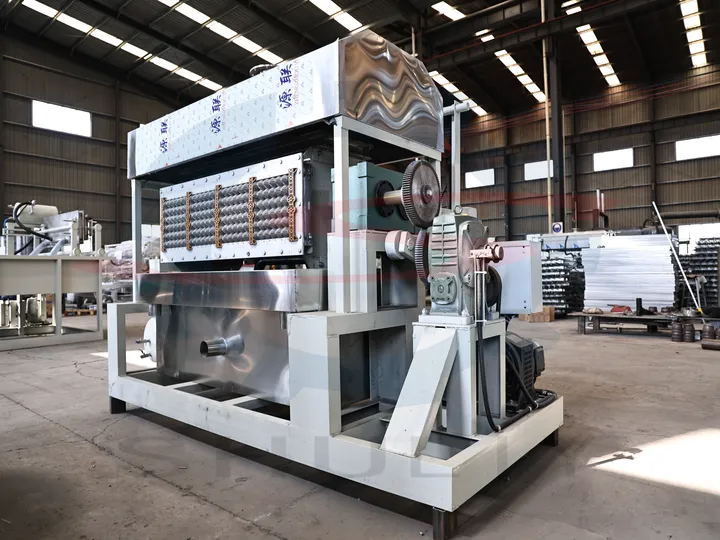
Equipment Configuration for the Tanzania Project
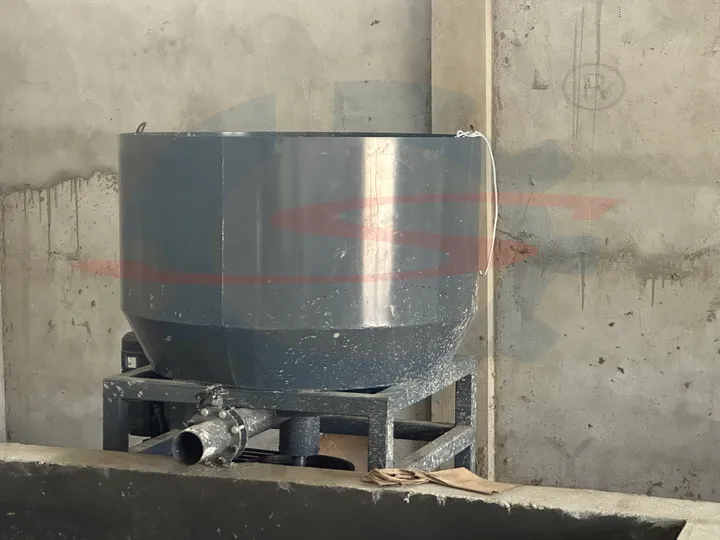
パルピングシステム
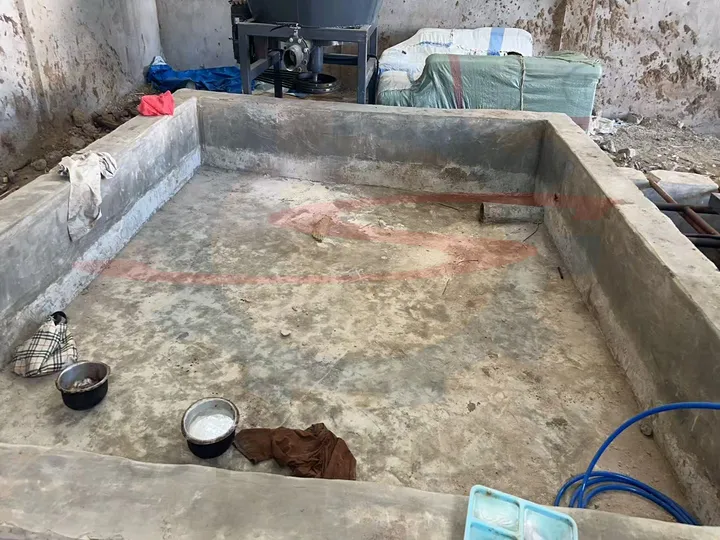
The line includes a 2 m³ hydropulper rated at 11 kW, one 3 kW agitator, one 4 kW supply pump, and one 1.5 kW sewage pump. This configuration handles the daily paper volume required for 60,000 trays. Waste cardboard from Dar es Salaam packaging warehouses and old newspapers supply the fiber. The slurry preparation cycle runs for approximately 20 minutes per batch.
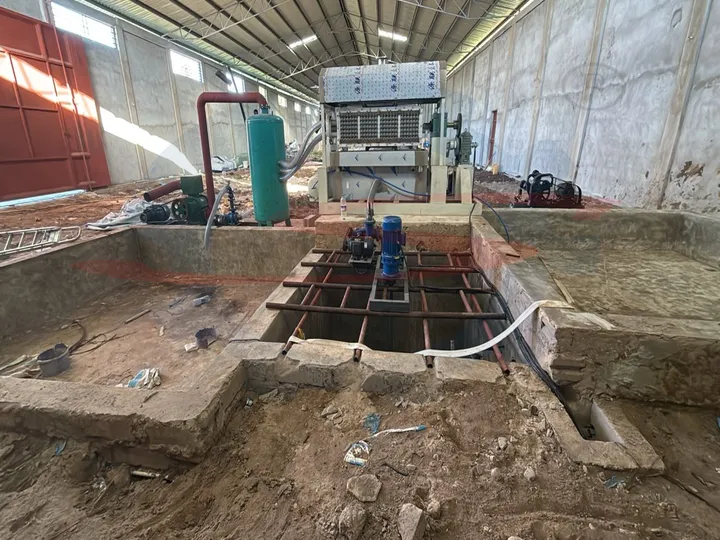
成形システム
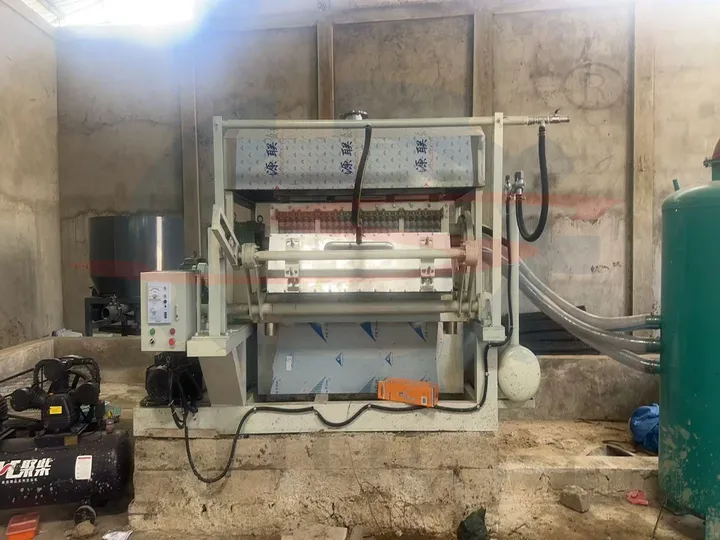
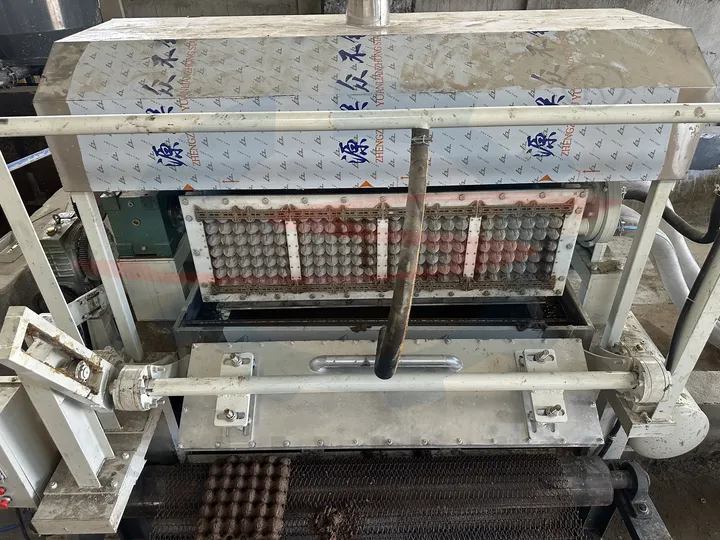
The SL-4×4 forming machine operates at 10-15 cycles per minute. It carries 16 forming molds arranged in the 4×4 configuration, producing 4 trays per cycle. An 18.5 kW vacuum pump provides consistent negative pressure for mold filling. An 11 kW air compressor supplies pneumatic power for demolding and transfer.
Brick Kiln Drying System
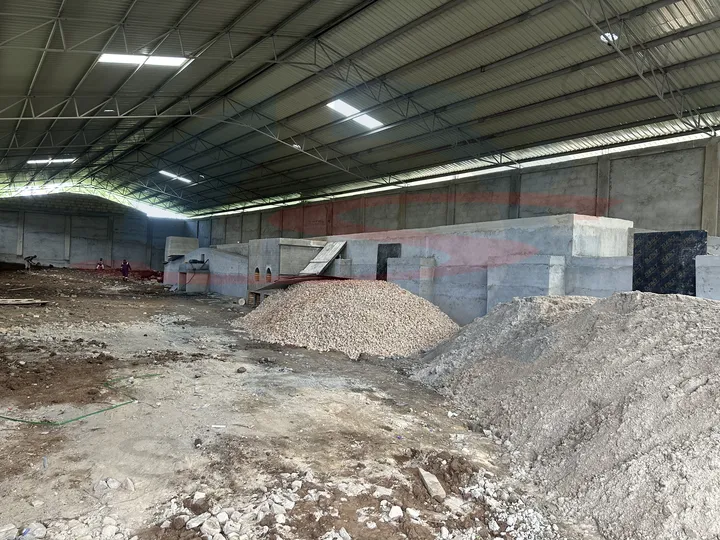
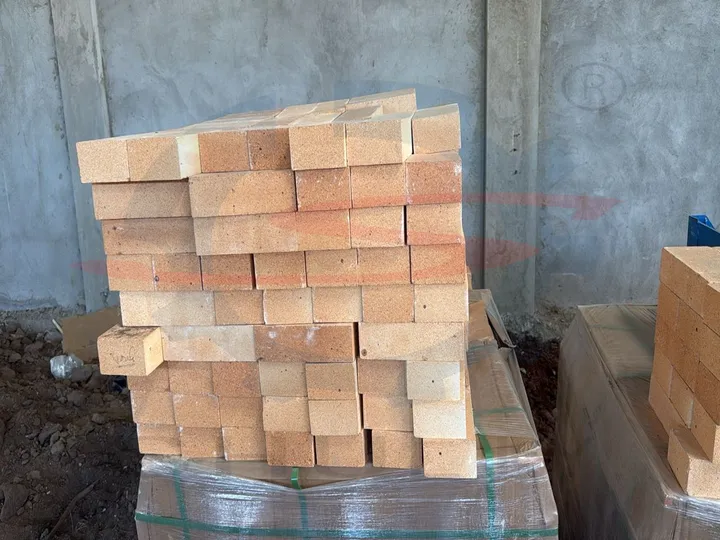
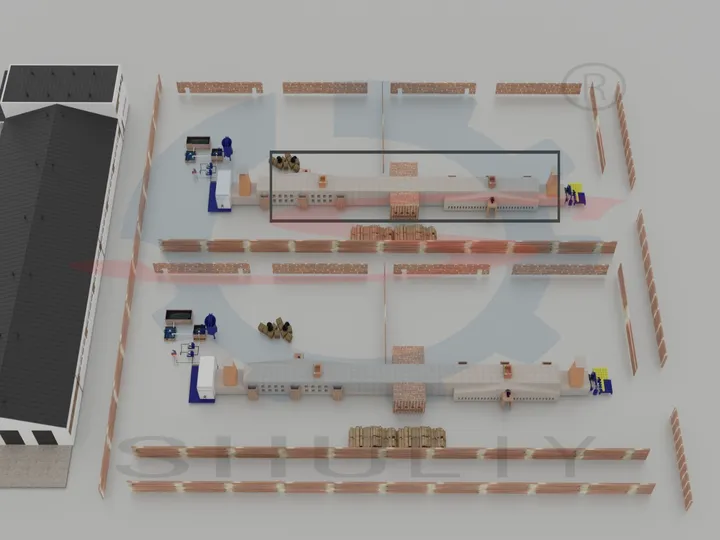
The tunnel dryer uses a 100-meter mesh belt with a width of 1,350 mm. Ninety support rods and 35 perforated air distribution plates maintain even heat distribution. Dual 7.5 kW induced draft fans circulate hot air at 180-200°C. The natural gas burner is the primary heat source, with coal-firing capability available as a backup if local gas supply becomes constrained.
Automation and Control
The SL-4×4 uses a standard control panel with variable frequency drives for the forming machine and dryer. Temperature controllers monitor the brick tunnel. Proximity switches and solenoid valves manage tray transfer and stacking sequences. The operator interface is straightforward, allowing Tanzanian staff to learn the system within a few days.
Installation Process in Tanzania
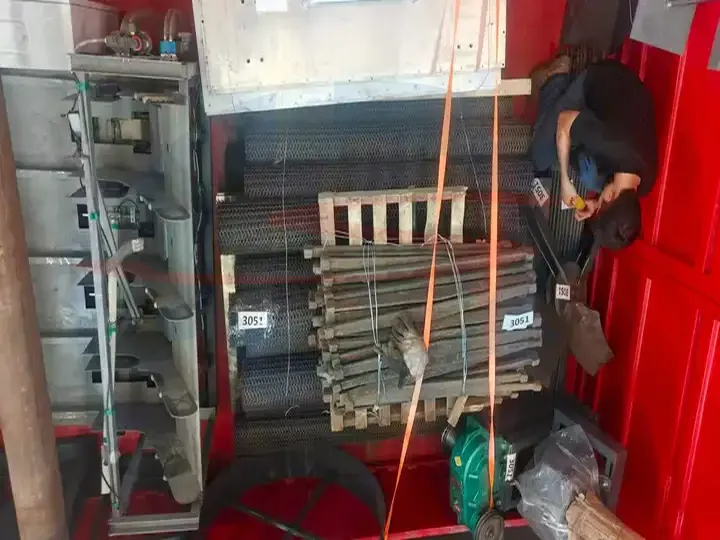
Shuliy organized the shipment in a single 40-foot container. The line arrived pre-wired and pre-tested from the factory. After customs clearance at Dar es Salaam port, the components were transported to the customer’s facility.
A Shuliy engineer traveled to Tanzania to supervise the installation. The work was completed in four stages:
Stage 1: Foundation and Layout
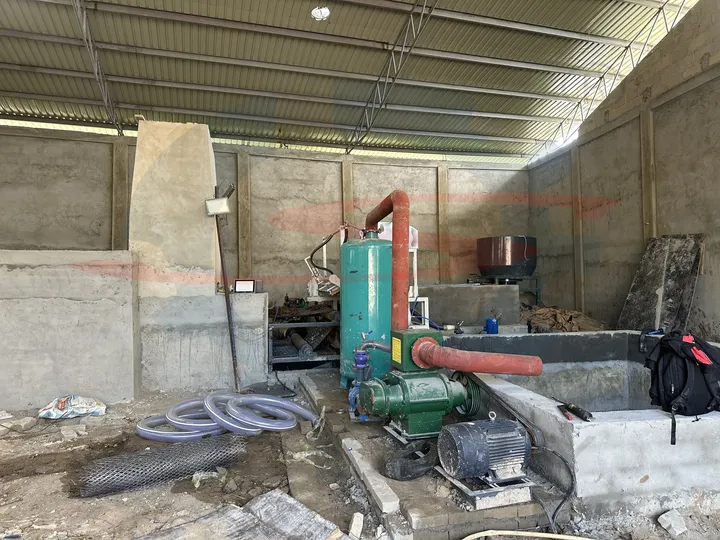
The engineer verified the building dimensions against the installation drawing. The forming machine, drying tunnel, and pulping system were positioned on the factory floor. Leveling feet were adjusted. Anchor points were marked.
Stage 2: Mechanical Assembly
The brick tunnel dryer sections were joined. The mesh belt was tensioned over the support rods. Conveyor connections between the forming machine and dryer inlet were aligned. Pneumatic and water pipelines were connected.
Stage 3: Electrical and Burner Commissioning
Power cables were terminated. The control panel was energized. The natural gas burner was connected to the local gas supply and tested. Thermocouples were calibrated against the temperature display.
Stage 4: Trial Production and Training
Wet trays were produced and fed through the dryer. Belt speed and burner output were adjusted to achieve the target moisture content. Local operators were trained on startup, shutdown, mold change, routine cleaning, and basic troubleshooting.
Production Performance After Commissioning
After two weeks of fine-tuning, the line reached its designed output. The customer reports:
- Hourly output: 3,000 trays
- Daily output: 60,000 trays on a 20-hour schedule
- Final moisture content: 10-12%
- Raw material consumption: approximately 120-130 kg of dry waste paper per 1,000 trays
- Operator staffing: 3 workers per shift
- Fuel: natural gas as primary heat source
The integrated brick dryer proved especially valuable during the rainy season. Unlike sun-drying operations that stop in wet weather, the tunnel dryer maintains consistent output year-round.
顧客のフィードバック
The customer highlighted several points in a post-installation review:
- The brick dryer eliminated the need for a separate drying building, saving construction time and cost.
- Shuliy’s engineer resolved installation questions quickly and trained the team thoroughly.
- Molded trays met the strength requirements for transport on rough rural roads.
- The ability to use waste cardboard reduced raw material cost compared with purchasing imported trays.
- The line is compact enough to fit the existing facility without major building expansion.
What Does This Project Mean for Other East African Buyers?
The Tanzania installation shows that a medium-capacity egg tray production line with brick dryer can be operational in East Africa within a short timeline. Several factors made the project successful:
Containerized Delivery Simplified Logistics
A single 40-foot container carried the complete line. This reduced shipping complexity and protected the equipment during the ocean voyage from China to Dar es Salaam.
Fuel Flexibility Matched Local Conditions
The natural gas burner handles normal operation. The optional coal capability provides a fallback if gas prices rise or supply becomes intermittent.
Modular Design Accelerated Installation
The line broke down into manageable sections. Local workers assisted under the Shuliy engineer’s supervision, building internal capability for future maintenance.
Right-Sized Capacity Avoided Over-Investment
The SL-4×4 delivers 60,000 trays per day, enough for regional supply without the larger footprint and power requirements of the SL5-8 or SL6-8.
Technical Specifications of the Installed SL-4×4 Line
| System | Component | 仕様 |
|---|---|---|
| パルピング | Hydropulper | 2 m³, 11 kW |
| パルピング | Agitator | 3 kW × 1 |
| パルピング | Supply pump | 4 kW × 1 |
| パルピング | Sewage pump | 1.5 kW × 1 |
| 成形 | Forming machine | SL-F3000 |
| 成形 | Cycle speed | 10-15 strokes/min |
| 成形 | Forming molds | 16 pcs (4×4 arrangement) |
| 成形 | 真空ポンプ | 18.5 kW |
| 成形 | エアコンプレッサー | 11 kW |
| 乾燥 | Mesh belt | 100 m × 1,350 mm |
| 乾燥 | Support rods | 90 pcs |
| 乾燥 | Air distribution plates | 35 pcs |
| 乾燥 | Induced draft fans | 7.5 kW × 2 |
| 乾燥 | バーナー | Natural gas with optional coal |
| Finishing | Automatic stacker | Standard |
| Finishing | Pneumatic baler | Standard |
Why Does Shuliy Support Overseas Projects This Way?
Shuliy does not only ship equipment. The company provides the engineering support needed to put the line into production. For the Tanzania project, this included:
- Factory acceptance testing before shipment
- Container loading supervision and shipping documentation
- On-site installation guidance by a qualified engineer
- Operator training and commissioning support
- 機械および電気部品に対する12ヶ月の保証
- Lifetime technical support via video call and email
This approach reduces risk for buyers who may be installing an egg tray manufacturing line with brick dryer for the first time.
Planning Your Own Egg Tray Project in East Africa?
The Tanzania SL-4×4 project proves that a brick drying egg tray production line can be installed and commissioned successfully in East Africa with proper planning and on-site support. Shuliy provides the equipment, drawings, engineer supervision, and training needed to move from container arrival to stable production.
If you are considering an egg tray manufacturing project in Tanzania, Kenya, Uganda, or nearby markets, contact Shuliy with your target daily output and facility dimensions. Our engineers will recommend the right SL model and prepare a complete project proposal.
Contact Shuliy today and receive a customized project plan within 24 hours.