Maswali Muhimu 15 Kuhusu Mstari wa Kioevu cha Kioevu cha Chuma cha Kuku cha Kielektroniki
Wakati wa kuwekeza kwenye mstari wa kukausha tray ya mayai ya chuma kiotomatiki, hasa muundo wa 5×8, wanunuzi kwa kawaida wanazingatia mambo kadhaa muhimu: matumizi ya mafuta, udhibiti wa joto, matumizi halisi ya umeme, na uimara wa vifaa.
Mwongozo huu unakusanya maswali 15 halisi kutoka kwa wateja wa kimataifa, yanayojibiwa moja kwa moja na wahandisi kwa kutumia data halisi ya uendeshaji kutoka kwa mstari wa uzalishaji wa pcs 5000–6000/h.
Ikiwa unajenga kiwanda kipya cha tray ya mayai au kuboresha mstari uliopo, makala hii itakusaidia kutathmini vifaa kwa mtazamo wa kiufundi na wa kibiashara.
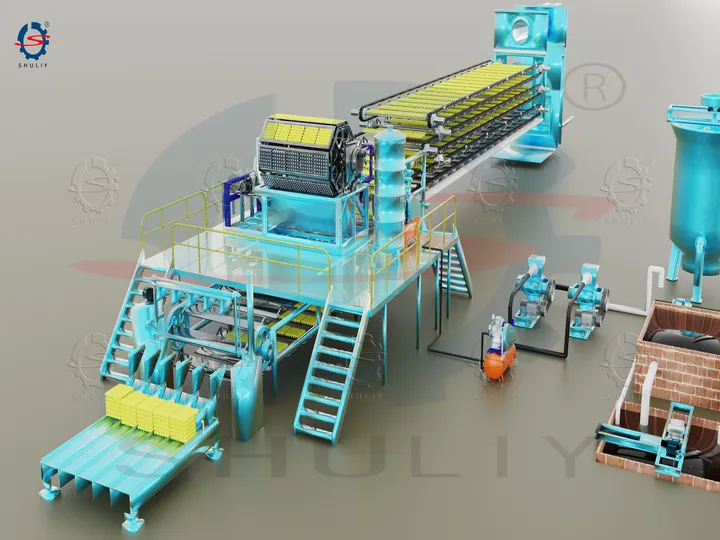
Muhtasari wa Haraka: Vipimo vya Kiufundi
| Artikel | Specifikation |
|---|---|
| Modell | SL-5*8 |
| Kapacitet | 5000–6000 pcs/h |
| Effekt | 95 kW |
| Spänning | 380V, 50Hz |
| Vikt | 8000 kg |
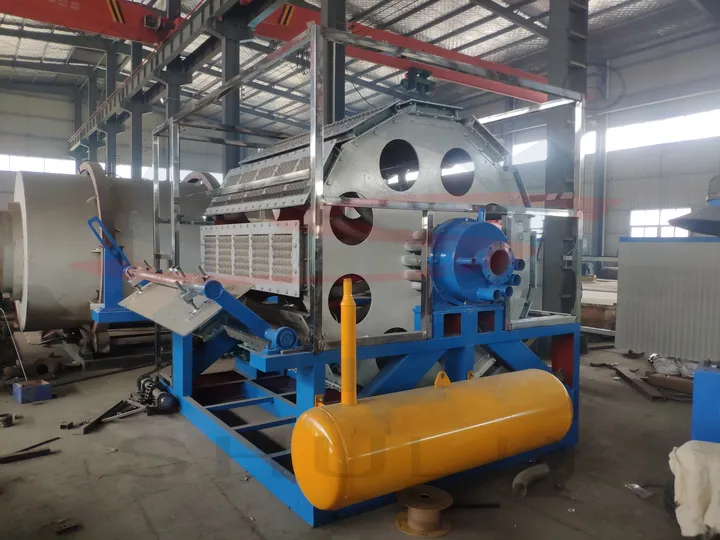
| Ukubwa (Mashine ya Uundaji) | 3700 × 2300 × 2500 mm |
| Matumizi ya Karatasi | 400 kg/h |
| Matumizi ya Maji | 800 kg/h |
| Torkningsmetod | Kukausha kwa moto wa matofali au kukausha kwa tabaka nyingi |
Chanzo cha Joto & Matumizi ya Mafuta
Q1: Je, mstari wa kukausha unaweza kutumia mbao na makaa ya mawe?
Ndio. Mfumo hutumia tanuru ya matofali ya refractory ya nje, ambayo hutoa chaguzi za mafuta zinazobadilika kama makaa ya mawe, mbao, na biomass. Pia hurahisisha matengenezo, huongeza usalama wa uendeshaji kwa kutenganisha chumba cha kuchoma, na kuhakikisha usambazaji wa joto thabiti kupitia feni ya kuvuta hewa.
Q2: Jinsi gani matumizi halisi ya mafuta yanavyofanya kazi?
Kwa uwezo wa tray 5,000–6,000 kwa saa na unyevu wa 65%, matumizi ya makaa ya mawe ni takriban kg 200 kwa saa, wakati matumizi ya mbao ni takriban kg 250 kwa saa.
Matumizi ya mafuta yanaweza kutofautiana kulingana na unyevu wa malighafi, unyevu wa mazingira, na uzoefu wa operator.
Q3: Je, joto linadhibitiwa kiotomatiki?
Udhibiti wa joto unategemea chanzo cha joto. Mifumo ya makaa ya mawe na mbao inahitaji marekebisho ya mikono, wakati mifumo ya gesi na dizeli ina uwezo wa kudhibiti joto kiotomatiki.
Mzunguko wa joto wa kawaida:
- Inlet ya hewa moto: °C 300–400
- Eneo la kukausha: takriban °C 200
Ikiwa ubora thabiti na kupunguza kazi ni vipaumbele, usimamizi wa kiotomatiki unashauriwa.
Q4: Je, kuna mfumo wa kuchuja vumbi?
Ndio. Mfumo hutumia mbinu ya kuchuja kwa hatua nyingi ikiwa ni pamoja na gridi ya tanuru, chumba cha kusimama kwa vumbi cha cm 50, usafi wa msaada wa unyevu, na mfumo wa mkaa wa kutolea nje. Muundo huu ni wa vitendo na wa gharama nafuu kwa matumizi ya viwandani.
Utendaji wa Kukausha & Muundo
Q5: Ni insulation gani inatumika?
Chumba cha kukausha kinatumia insulation ya nyufa za mwamba na unene wa cm 10 na uzito wa kg/m³ 130. Kinahifadhi joto la ndani la takriban °C 200 huku kikihifadhi uso wa nje kwa takriban °C 40, kuboresha ufanisi wa nishati na usalama.
Q6: Je, specifications za feni ni zipi?
Mfumo umewekwa na feni ya centrifugal moja yenye nguvu ya 37 kW, kipenyo cha mita 1, na mtiririko wa hewa wa hadi m³ 60,000/h. Hii inahakikisha mzunguko kamili wa hewa moto katika mfumo wa kukausha.
Q7: Jinsi gani joto linagawanyika kwa usawa?
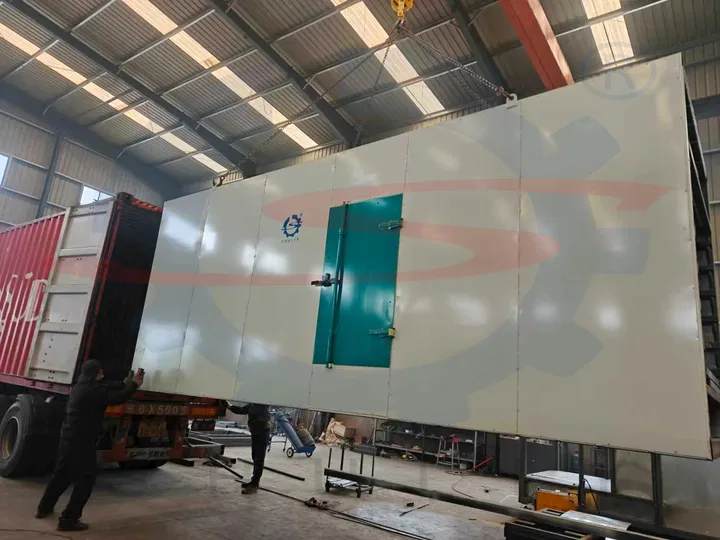
Mstari wa kukausha unatumia muundo wa safu tatu:
- Tabaka la juu: tabaka la hewa moto (°C 200–250)
- Tabaka la katikati: tabaka la kukausha (karibu °C 200)
- Tabaka la chini: tabaka la kurudisha hewa (°C 100–130)
Viwango vya usambazaji wa hewa vinahakikisha mtiririko wa hewa wa usawa na ubora wa kukausha unaoendelea.
Vifaa Muhimu & Matengenezo
Q8: Je, mfumo wa gia na uendeshaji unatumika?
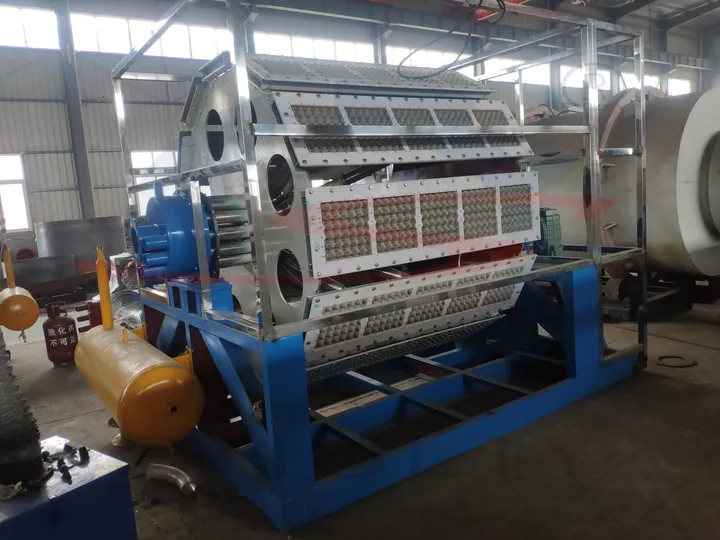
Mfumo hutumia reducer wa nyoka wa WPA200 na uwiano wa 50:1 kutoka Hangzhou, pamoja na indexer ya chapa ya Taiwan (model 280). Sehemu hizi zinatumika sana katika matumizi ya viwandani na ni rahisi kuzihifadhi.
Q9: Jinsi gani usafi wa mold unavyofanya kazi?
Mfumo wa kusafisha mold hutumia bomba la spray lililowekwa na nozzle 25–30. Wakati mashine inazunguka, molds hupitia kwenye nafasi ya kusafisha kiotomatiki. Muundo huu unahakikisha matumizi ya maji kidogo na utendaji wa kusafisha unaoendelea.
Q10: Ni vipengele gani vya ziada vinapaswa kuandaliwa?
Vipengele vya ziada vinavyopendekezwa ni pamoja na mikanda (seti 2–3), nozzle za spray (vipande 5–10), na mashina. Minyororo kwa kawaida huhitaji kubadilishwa kila mwaka 2–3, wakati feni zina maisha marefu ya huduma chini ya matengenezo sahihi.
Mfumo wa Umeme
Q11: Nini matumizi halisi ya umeme?
Nguvu jumla iliyowekwa ni 150 kW, na matumizi halisi ni takriban 105 kW wakati wa uendeshaji. Hii ni kawaida kwa mistari ya uzalishaji wa viwandani inayozunguka.
Q12: Je, stabilizer ya voltage imejumuishwa?
Hapana, stabilizer ya voltage haijajumuishwa na inahitaji kununuliwa tofauti. Uwezo wa 150–200 kVA unapendekezwa, hasa katika maeneo yenye umeme usio thabiti.
Baada ya Mauzo & Msaada
Q13: Je, dhamana ni ipi?
Mashine kamili ina dhamana ya miezi 12, sehemu za kuzaa zinashughulikiwa kwa miaka 3, na gear box inashughulikiwa kwa miaka 5. Kampuni pia hutoa msaada wa kiufundi wa maisha yote na mwongozo wa usakinishaji.
Q14: Je, hali ya hewa huathiri uzalishaji?
Uwezo wa uzalishaji unabaki thabiti mwaka mzima kwa tray 5,000–6,000 kwa saa. Mabadiliko madogo ya matumizi ya mafuta yanaweza kutokea kutokana na hali ya mazingira.
Q15: Je, michoro inatolewa?
Ndio. Michoro ya muundo wa CAD, michoro ya ujenzi wa tanuru, na miongozo ya usakinishaji zinapatikana. Wahandisi pia wanaweza kutoa msaada wa mbali au wa mahali pa kazi.
Kwa nini Mstari huu wa Kukausha ni Uwekezaji wa Akili?
Mstari huu wa kukausha tray ya mayai ya chuma unatoa faida kubwa ikiwa ni pamoja na uwezo wa kutumia nyenzo tofauti za mafuta, muundo wa kukausha wa safu tatu wenye ufanisi wa nishati, sehemu za viwandani zinazotegemewa, dhamana ndefu, na msaada kamili wa kiufundi. Vipimo vyote vinatokana na data halisi ya uendeshaji siyo makadirio ya nadharia.
Jenga Kamili Produktion av äggkartonger
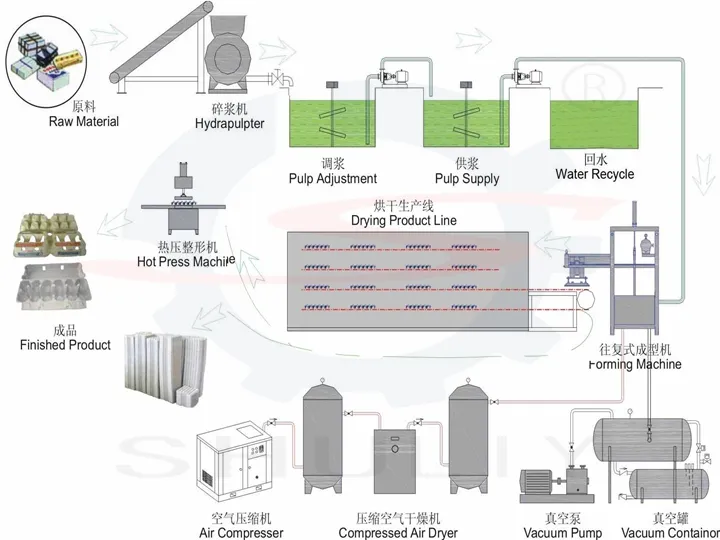
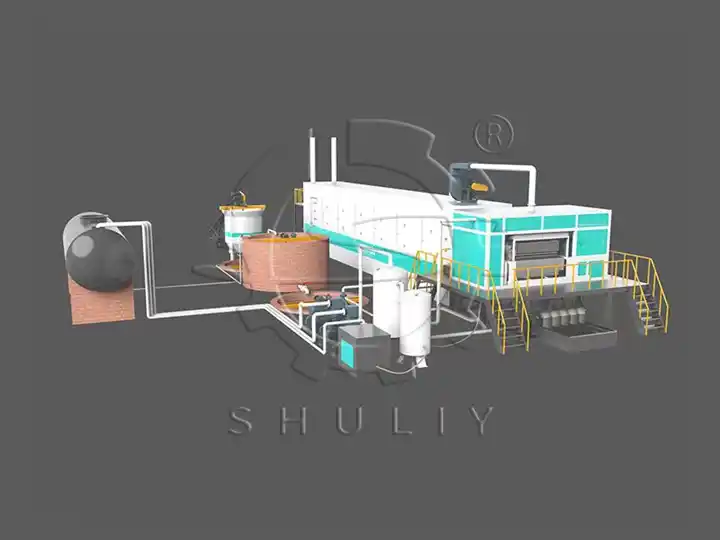
Ili kufanikisha uendeshaji kamili wa kiotomatiki na ufanisi wa juu, mstari wa kukausha unaweza kuunganishwa na mashine ya kuunda tray ya mayai, mfumo wa kutengeneza pulp, mashine ya kufunga kiotomatiki, na vipengele vya ziada vinavyohusiana.
Maswali Yanayoulizwa Mara kwa Mara
Ni makaa ya mawe kiasi gani yanahitajika kwa saa?
Takriban kg 200 kwa saa.
Je, joto linadhibitiwa kiotomatiki?
Inapatikana tu kwa mifumo ya gesi au dizeli.
Nini matumizi ya umeme?
Takriban 105 kW wakati wa uendeshaji.
Je, uzalishaji huathiriwa na hali ya hewa?
Hapana, uwezo unabaki thabiti mwaka mzima.
Pata Suluhisho la Kibinafsi & Nukuu
Ikiwa unapanga kuwekeza kwenye mstari wa uzalishaji wa tray ya mayai, tunaweza kutoa muundo wa ramani ya kiwanda, uchambuzi wa matumizi ya mafuta, nukuu zilizobinafsishwa, na ushauri wa mhandisi.
Wasiliana nasi kupata suluhisho kamili ndani ya masaa 24.