
How to Start an Egg Tray Business with a Small Production Line (Budget $8,000-$25,000)
Starting an مشروع صواني البيض with a خط إنتاج صغير is one of the smartest investments you can make in 2026. With a budget of $8,000-$25,000, you can launch a profitable manufacturing operation that produces eco-friendly egg trays from waste paper. This comprehensive guide shows you exactly how to start an egg tray business step by step, from market research to first sale.
The egg tray manufacturing industry offers exceptional opportunities for entrepreneurs with moderate capital. Global demand for sustainable packaging continues to surge, with the egg tray market projected to grow at 5.2% annually through 2030. A small-scale egg tray production line can generate monthly revenues of $5,000-$15,000 while requiring minimal operating space and just 3-4 workers.
Whether you’re a first-time entrepreneur, small farm owner, or investor seeking diversification, this guide provides everything you need to know about launching your egg tray business for beginners. We’ll cover equipment selection, تكلفة آلة صواني البيض breakdown, facility requirements, and real profitability projections based on actual customer data from Nigeria, Philippines, and other markets.
لماذا تبدأ مشروع صواني البيض في 2026؟
أصبح مشروع تصنيع صواني البيض أكثر جاذبية لأسباب مقنعة. فهم هذه الديناميكيات السوقية سيساعدك على اتخاذ قرار مستنير بشأن دخول هذا القطاع المربح.
زيادة الطلب العالمي
لقد أدى التحول العالمي بعيدًا عن التعبئة البلاستيكية إلى زيادة غير مسبوقة في الطلب على صواني البيض القابلة للتحلل. كل مزارع دواجن، موزع بيض، وسوبر ماركت يحتاجون إلى صواني البيض يوميًا. ينمو قطاع إنتاج البيض العالمي بنسبة 3-4% سنويًا، مما يدفع الطلب على حلول تعبئة البيض بشكل مباشر.
في الدول النامية وحدها، زاد استهلاك البيض بنسبة 35% خلال العقد الماضي. تظهر دول مثل نيجيريا، الفلبين، الهند، وإندونيسيا نموًا قويًا بشكل خاص، مع عجز في الإنتاج المحلي عن تلبية الطلب. هذا يخلق فرصًا ممتازة للمصنعين الصغار لاقتناص حصة السوق.
حواجز دخول منخفضة
Unlike many manufacturing businesses, starting an مشروع صواني البيض requires relatively low capital investment. A complete خط إنتاج صغير costs between $8,000-$25,000, making it accessible for most entrepreneurs. The technology is straightforward, operation is simple, and raw materials (waste paper) are readily available everywhere.
هوامش ربح عالية
يقدم إنتاج صواني البيض هوامش ربح مثيرة تتراوح بين 40-60%. تتراوح تكاليف الإنتاج عادة بين 0.02 إلى 0.04 دولار لكل صينية، بينما تتفاوت أسعار البيع بين 0.05 إلى 0.08 دولار حسب السوق. مع آلة صغيرة تنتج 1000-1500 قطعة في الساعة، يمكنك تصنيع 8000-12000 صينية يوميًا (تشغيل لمدة 8 ساعات)، مما يحقق إيرادات شهرية كبيرة.
الفوائد البيئية
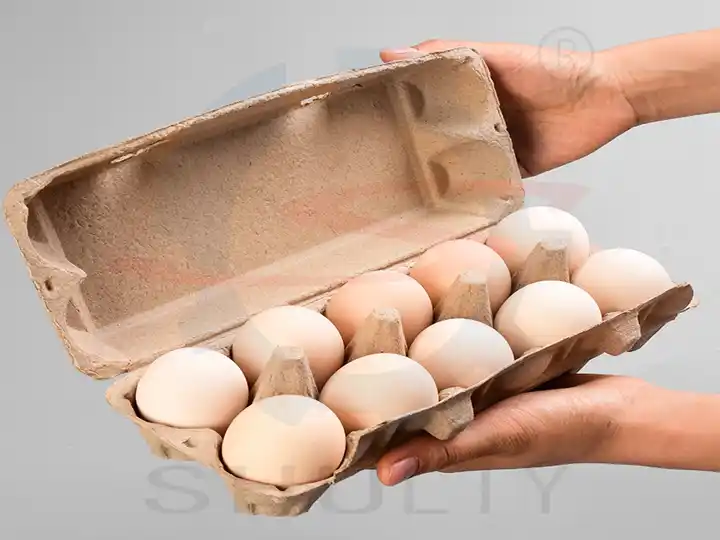
صواني البيض الورقية قابلة للتحلل بنسبة 100% ومصنوعة من الورق المعاد تدويره. عملية الإنتاج تخلق تأثيرًا بيئيًا ضئيلًا، ويمكن إعادة تدوير الصواني المستخدمة مرة أخرى. هذا الملف البيئي يجذب المستهلكين والشركات المهتمين بالبيئة، مما يمنحك ميزة تسويقية تنافسية.
9 خطوات لبدء مشروع صواني البيض الخاص بك
Starting an مشروع صواني البيض requires careful planning and execution. Follow these nine proven steps to launch your operation successfully and minimize risks.
الخطوة 1: بحث السوق وخطة العمل
قبل استثمار أي مال، قم بإجراء بحث سوق شامل في منطقتك. حدد العملاء المحتملين بما في ذلك مزارع الدواجن، موزعي البيض، السوبر ماركت، وشركات التعبئة الغذائية. حلل أسعار المنافسين، الجودة، وقدرات التوصيل.
يجب أن يتضمن خطة عملك:
- تحليل السوق المستهدف: من سيشتري صواني البيض الخاصة بك؟
- تقييم المنافسة: ماذا يتقاضى المنافسون؟
- استراتيجية التسعير: كيف ستضع منتجاتك؟
- التوقعات المالية: الإيرادات المتوقعة، التكاليف، والأرباح
- خطة التسويق: كيف ستجذب العملاء؟
A well-researched business plan not only guides your operations but also helps secure financing if needed. Many successful مشروع صواني البيض owners started with a simple one-page plan focusing on local market opportunities.
الخطوة 2: اختيار تكوين المعدات المناسب
Selecting appropriate equipment is crucial for your خط إنتاج صغير. For budgets under $10,000, we recommend a semi-automatic configuration with natural drying. This setup minimizes initial investment while maintaining good production capacity.
المعدات الأساسية تشمل:
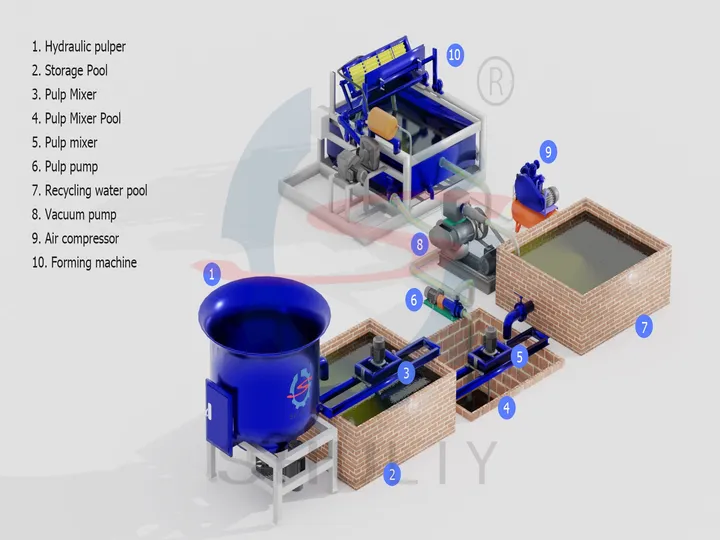
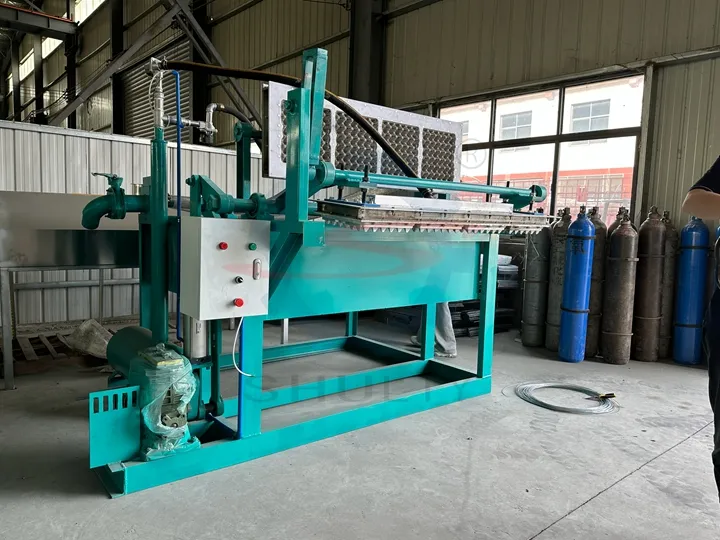
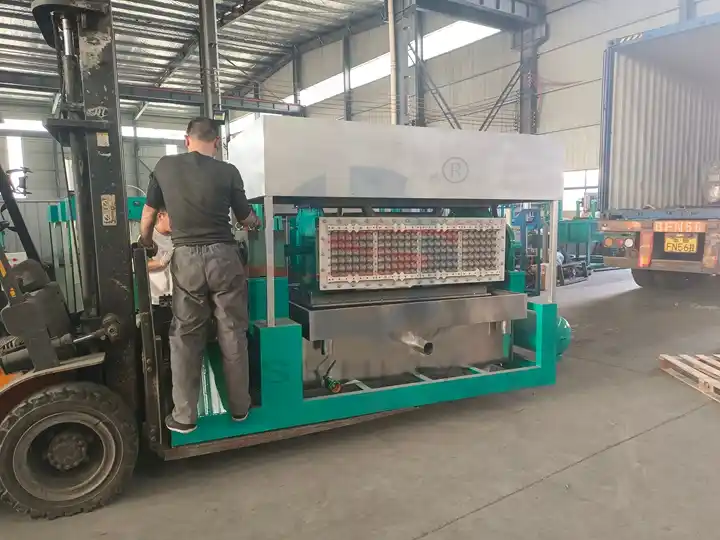
- آلة تشكيل صواني البيض: المعدات الأساسية (موديل جانب واحد أو أربعة جوانب)
- نظام اللب: نظام اللب، بركة اللب، والخلاط
- مضخة تفريغ: للتشكيل الفعال
- نظام التجفيف: رفوف التجفيف الطبيعي أو غرفة تجفيف صغيرة
- آلة التعبئة والتغليف: مكبس هيدروليكي لتقليل الحجم
For detailed equipment specifications, check our ماكينة صينية البيض من جانب واحد page. The SL-1000-3X1 and SL-1500-4X1 models are perfect for beginners, offering capacities of 1,000-1,500 pcs/h with minimal power consumption.
الخطوة 3: تأمين موردي المواد الخام
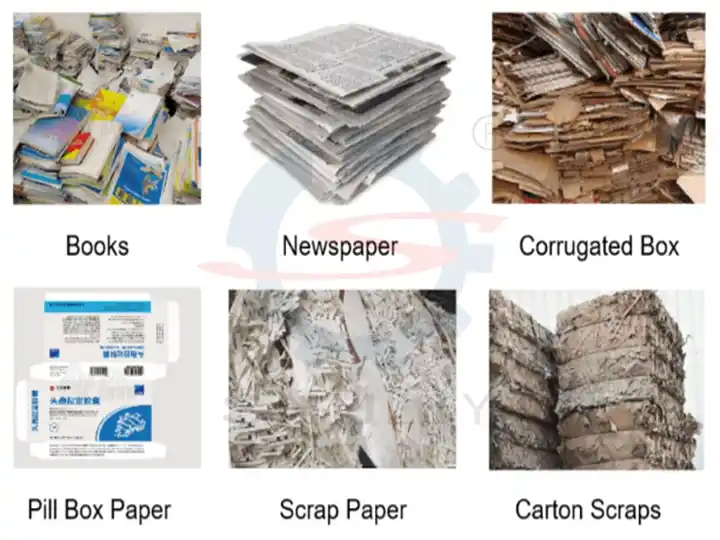
تصنع صواني البيض من الورق المهمل، مما يجعل مصدر المواد الخام بسيطًا وفعالًا من حيث التكلفة. المواد المناسبة تشمل:
- صحف ومجلات مهملة
- صناديق كرتون مموجة
- ورق المكتب المختلط
- ورق الكرافت والأكياس الورقية
قم بإقامة علاقات مع مراكز إعادة التدوير المحلية، محلات الطباعة، السوبر ماركت، وشركات جمع النفايات. تفاوض على أسعار الجملة لتقليل التكاليف. عادةً، ستحتاج إلى 120-160 كجم من الورق المهمل في الساعة من التشغيل. تأكد من أن مورديك يمكنهم توفير جودة وكمية ثابتة.
الخطوة 4: اختيار المنشأة والتحضير
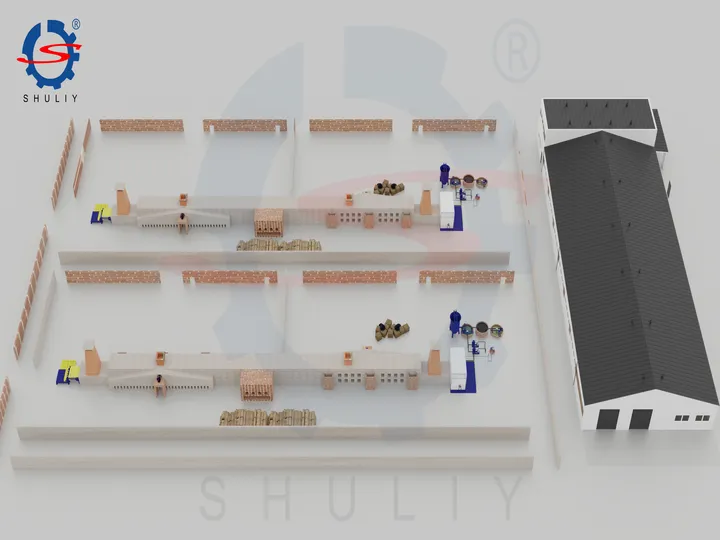
أ small-scale egg tray production line requires modest space. For a basic setup producing 8,000-12,000 trays daily, you’ll need:
- منطقة الإنتاج: 40-60 م² للمعدات
- منطقة التجفيف: 150-200 م² (يمكن أن تكون مساحة خارجية)
- تخزين المواد الخام: 30-50 م²
- تخزين المنتجات النهائية: 30-40 م²
متطلبات المساحة الإجمالية: 250-350 م². يجب أن يكون منطقة الإنتاج ذات أرضية خرسانية، تهوية مناسبة، وإمكانية الوصول إلى الماء والكهرباء. إذا كنت تستخدم التجفيف الطبيعي، تأكد من وجود مساحة خارجية كافية معرضة لأشعة الشمس.
الخطوة 5: تركيب المعدات والإعداد
Most خط إنتاج صغير equipment arrives pre-assembled, requiring minimal installation. Follow these steps:
- تحديد موقع المعدات وفقًا لخطة تصميم المصنع الخاصة بك
- توصيل إمدادات المياه إلى نظام التكسير
- توصيل الاتصالات الكهربائية (تأكد من الفولتية الصحيحة)
- إعداد رفوف التجفيف أو تجهيز منطقة التجفيف
- اختبر كل مكون بشكل فردي قبل التشغيل الكامل
المصنعون الموثوق بهم مثل شولي يوفرون أدلة تركيب مفصلة ودعم بالفيديو. للتركيبات المعقدة، فكر في طلب مساعدة مهندس ميداني (تكلفة إضافية، لكنها تضمن التركيب الصحيح).
الخطوة 6: تدريب الموظفين
أ small egg tray production line typically requires 3-4 workers per shift. Train your team on:
- تشغيل الآلة: البدء والإيقاف والمراقبة
- مراقبة الجودة: تحديد العيوب والحفاظ على المعايير
- تحضير المواد الخام: تقنيات التبلور الصحيحة
- إجراءات السلامة: بروتوكولات الطوارئ ومعدات الحماية
- الصيانة الأساسية: التنظيف اليومي والتشحيم
استثمر وقتًا في تدريب شامل خلال الأسبوع الأول. المشغلون المدربون جيدًا يزيدون الإنتاجية، يقللون الفاقد، ويطيلون عمر المعدات. فكر في إرسال مشغلك الرئيسي إلى مركز تدريب المصنع إذا كان متاحًا.
الخطوة 7: الإنتاج التجريبي ومراقبة الجودة
قبل الإنتاج على نطاق كامل، قم بتشغيل دفعات تجريبية لضبط العملية. أنتج 500-1000 صينية وقيم الأداء:
- توحيد سمك الجدران
- توحيد التجفيف
- الصلابة الهيكلية
- المظهر والتشطيب
ضبط تركيز اللب، وقت التشكيل، ومدة التجفيف بناءً على النتائج. وضع معايير جودة تلبي أو تتجاوز توقعات العملاء. قم بتوثيق إعداداتك المثلى لإنتاج ثابت.
الخطوة 8: تطوير السوق والمبيعات
مع وجود منتجات عالية الجودة جاهزة، ركز على بناء قاعدة عملائك. تشمل الاستراتيجيات الفعالة:
- زيارات مباشرة: مقابلة مالكي مزارع الدواجن وموزعي البيض شخصيًا
- عينات مجانية: توفير كميات تجريبية للتقييم
- التسعير التنافسي: عرض خصومات تمهيدية
- توصيل موثوق: الوعد والتسليم في الوقت المحدد
- إعلانات محلية: استخدام وسائل التواصل الاجتماعي ودلائل الأعمال المحلية
ابدأ بخمسة إلى عشرة عملاء مرساة يقدمون طلبات ثابتة. مع تزايد سمعتك، قم بالتوسع إلى السوبر ماركت والموزعين الأكبر. فكر في تقديم خدمات العلامة التجارية المخصصة للعملاء المميزين.
الخطوة 9: التشغيل الكامل والتوسع
بمجرد أن تحصل على طلبات ثابتة وعمليات سلسة، ركز على التحسين والنمو. راقب المقاييس الرئيسية يوميًا:
- إنتاجية الإنتاج مقابل الهدف
- استهلاك المواد الخام
- استهلاك الطاقة والمياه
- معدلات العيوب
- رضا العملاء
As demand increases, consider adding a second shift, upgrading to a larger machine, or expanding your product line to include fruit trays, cup carriers, and industrial packaging. Many successful مشروع صواني البيض owners started small and scaled gradually based on market demand.
تكوين المعدات وتفصيل الميزانية
For a small egg tray production line with realistic budget expectations, plan for total investment of $15,000-$25,000. This includes essential equipment, installation, and initial operating capital.
ومع ذلك، يجب تأكيد التكلفة النهائية مع المصنع. نظرًا للتقلبات في تكاليف الشحن وأسعار المواد الخام وتكوينات الآلات المختلفة، ستكون السعر النهائي بناءً على أحدث عرض أسعار. التكوين التالي هو للمرجعية فقط.
التكوين الأساسي (بدون مجفف) – 18,000-22,000 دولار
- آلة صنع صواني البيض (1000-1500 pcs/h): $8,000-$15,000
- نظام صنع اللب (سعة 1-2م³): 2500-3500 دولار
- آلة التعبئة والتغليف (مكبس هيدروليكي): 1500-2000 دولار
- قوالب (قوالب صواني البيض، 30-36 تجويف): 800-1200 دولار
- طقم قطع غيار: $500-$800
- التركيب والتدريب: $700-$1,000
- الشحن والجمارك: $1,500-$2,500
Note: This configuration requires natural drying space (approximately 200-300㎡ outdoor area). Suitable for regions with abundant sunshine and low labor costs.
التكوين الكامل (مع المجفف) – 28,000-38,000 دولار
- خط الإنتاج الكامل (فوق المعدات الأساسية): 18000-22000 دولار
- خط التجفيف (12-15م، مدفأة بالغاز/الديزل): 8000-12000 دولار
- التركيب والتشغيل: $1,500-$2,500
- الشحن والجمارك: $2,500-$3,500
This complete system enables year-round production regardless of weather conditions, with faster drying times and higher quality consistency.
تحليل التكاليف والربحية
فهم تكاليف الإنتاج وهوامش الربح ضروريان لنجاح الأعمال. إليك تحليل واقعي استنادًا إلى أسعار السوق الحالية.
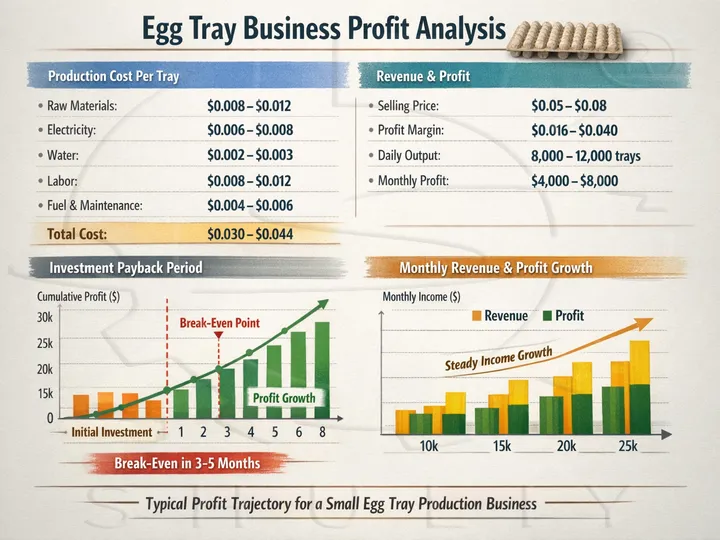
تكلفة الإنتاج لكل صينية
- المواد الخام (ورق نفايات، 50-60جم): 0.008-0.012 دولار
- الكهرباء: $0.006-$0.008
- الماء: $0.002-$0.003
- العمالة (3-4 عمال): 0.008-0.012 دولار
- وقود التجفيف (إذا تم استخدام المجفف الميكانيكي): 0.004-0.006 دولار
- الصيانة والاستهلاك: $0.002-$0.003
- إجمالي تكلفة الإنتاج: : 0.030-0.044 دولار لكل صينية
Note: Costs vary based on local electricity rates, labor costs, and whether you use natural or mechanical drying.
توقعات الإيرادات والأرباح
- : سعر البيع: 0.05-0.08 دولار لكل صينية (يختلف حسب المنطقة وحجم الطلب)
- هامش الربح: 0.016-0.040 دولار لكل صينية (32-50%)
- الإنتاج اليومي: 8000-12000 قطعة (8 ساعات، 1000-1500 قطعة/ساعة)
- الإيرادات الشهرية (26 يومًا): 10400-24960 دولار
- تكلفة الإنتاج الشهرية: $6,240-$13,728
- الربح الإجمالي الشهري: $4,160-$11,232
Break-even Analysis: With initial investment of $18,000-$22,000 and monthly profit of $4,000-$8,000, expect to recover your investment in 3-6 months of operation.
قصص نجاح حقيقية
Learning from others who have successfully started an مشروع صواني البيض provides valuable insights and inspiration. Here are two real customer cases:
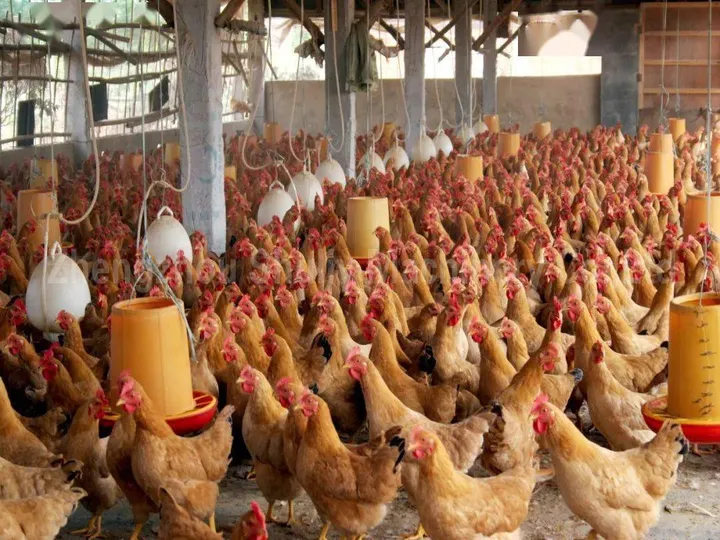
دراسة حالة 1: مالك مزرعة دواجن في نيجيريا
Customer Profile: Medium-scale poultry farmer in Lagos, Nigeria
Challenge: High cost of purchasing plastic egg trays ($0.08/piece) was eating into profit margins. Supply was inconsistent, causing operational disruptions.
Solution: Invested in a 1-side egg tray machine (SL-1000-3X1) with complete pulping system and natural drying racks in June 2023.
- إجمالي الاستثمار: 19500 دولار (شامل الشحن والتركيب)
- سعة الإنتاج: 1500 قطعة/ساعة
- ساعات التشغيل: 8 ساعات/يوم
- تكلفة الإنتاج: 0.035 دولار لكل صينية
Results After 6 Months:
- خفضت تكاليف التعبئة بنسبة 60%
- بدأت في توريد المزارع المجاورة (4000 قطعة/اليوم)
- الإيرادات الشهرية من مبيعات الصواني: 3120 دولار
- تم تحقيق نقطة التعادل في 5.5 أشهر
- تم الطلب الثاني لآلة أكبر في 2025
“This machine transformed my business. Not only do I save money on my own packaging, but I’ve created a new revenue stream. The ROI was faster than I expected.” – Customer testimonial from Lagos, Nigeria
دراسة حالة 2: رائد أعمال من الفلبين للمرة الأولى
Customer Profile: First-time business owner in Manila, Philippines with no prior manufacturing experience
Challenge: Limited capital ($20,000) but strong determination to start a sustainable business. Needed a turnkey solution with full support.
Solution: Purchased SL-1500-4X1 machine with 4-side configuration, complete pulping system, and basic drying room setup in December 2023.
- إجمالي الاستثمار: 24800 دولار (شاملة كل شيء)
- سعة الإنتاج: 1500 قطعة/ساعة
- ساعات التشغيل: 8 ساعات/يوم
- تكلفة الإنتاج: 0.038 دولار لكل صينية
Results After 8 Months:
- تأمين عقود مع 5 مزارع دواجن
- الإنتاج الشهري: 312,000 قطعة
- الإيرادات الشهرية: 18720 دولار (عند 0.06 دولار/قطعة)
- هامش الربح الصافي: 42%
- توسيع خط الإنتاج ليشمل صواني الفاكهة
“Shuliy’s team guided me through every step. From installation to training to troubleshooting, their support was exceptional. I’m now planning to add a second machine.” – Customer from Manila, Philippines
الأسئلة الشائعة (FAQ)
Here are answers to the most common questions about starting an مشروع صواني البيض with a خط إنتاج صغير:
كم رأس مال أحتاج لبدء المشروع؟
You can start an مشروع صواني البيض with as little as $15,000-$18,000 for a basic configuration. This includes the forming machine, pulping system, and natural drying setup. For a more complete setup with packaging equipment and initial working capital, budget $20,000-$25,000.
كم المساحة التي أحتاجها؟
أ small-scale egg tray production line requires 250-350 m² total space, including production area (40-60 m²), drying area (150-200 m²), and storage (60-90 m²). If you use natural drying outdoors, you can reduce the covered space requirement significantly.
كم عدد العمال الذين أحتاجهم؟
يتطلب خط إنتاج صغير 3-4 عمال في نوبة من 8 ساعات: واحد لتحضير المواد الخام، واحد لتشغيل الآلة، واحد للتجفيف ومراقبة الجودة، وواحد للتعبئة واللوجستيات. مع التدريب المناسب، يمكن للعمال أداء أدوار متعددة.
من أين أحصل على المواد الخام؟
ورق النفايات متوفر على نطاق واسع من مراكز التدوير، محلات الطباعة، السوبر ماركت، المكاتب، وشركات جمع النفايات. أنشئ علاقات مع 2-3 موردين لضمان التوريد المستمر. تتراوح التكاليف عادة بين 50-100 دولار للطن حسب الموقع وجودة الورق.
أين أبيع صواني البيض؟
العملاء الأساسيون يشملون مزارع الدواجن، موزعي البيض، السوبر ماركت، شركات التعبئة الغذائية، والتعاونيات الزراعية. ابدأ محليًا بزيارات ميدانية وتقديم عينات مجانية. مع تزايد سمعتك، توسع إلى المشترين الأكبر واعتبر التصدير إلى المناطق المجاورة.
ما هو الجدول الزمني للعائد على الاستثمار؟
Most مشروع صواني البيض operators recover their initial investment within 2-5 months of full operation. The exact timeline depends on your production capacity, local market prices, operating efficiency, and sales volume. Customers in regions with higher egg tray prices achieve faster ROI.
هل يمكنني إنتاج منتجات أخرى بجانب صواني البيض؟
Yes! By changing molds, your خط إنتاج صغير can manufacture fruit trays, wine bottle packaging, cup carriers, seedling trays, and industrial packaging for electronics or small parts. Mold changeover takes 20-30 minutes, allowing you to diversify your product offerings without additional equipment investment.
لماذا تختار شركة شوللي كمورد لمعداتك
Selecting the right equipment supplier is crucial for your مشروع صواني البيض success. Shuliy Machinery has established itself as a trusted partner for entrepreneurs worldwide, with several key advantages:
الشهادات الدولية
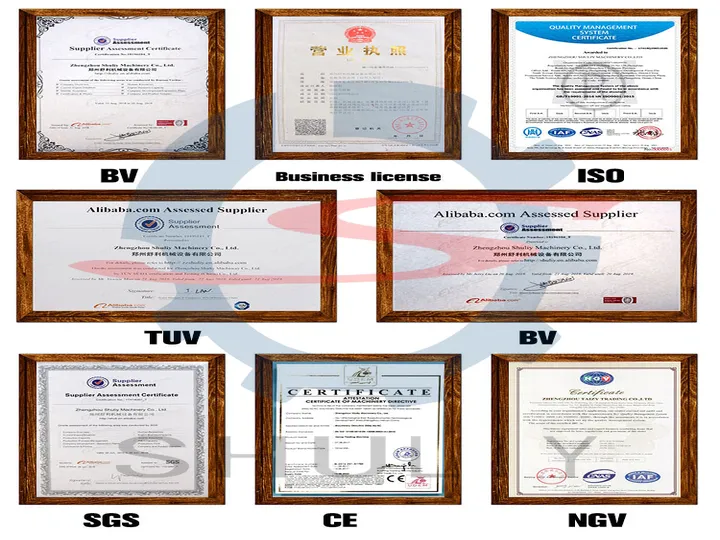
All Shuliy equipment is manufactured in ISO 9001:2015 certified facilities, ensuring consistent quality and reliability. Our machines carry CE certification for European safety standards and have passed rigorous testing by SGS and TÜV inspection agencies. These certifications guarantee that your investment meets international quality and safety requirements.
ضمان شامل
We stand behind our equipment with a one-year warranty covering all major components including motors, gearboxes, and control systems. During the warranty period, defective parts are replaced free of charge, and our technical team provides troubleshooting support at no additional cost.
دعم ما بعد البيع الكامل
التزامنا يتجاوز البيع بكثير. شولي تقدم خدمة ما بعد البيع الشاملة بما في ذلك:
- كتيبات تركيب مفصلة مع تعليمات ورسوم بيانية خطوة بخطوة
- دعم فني عن بعد على مدار 24/7 عبر واتساب، البريد الإلكتروني، ومكالمات الفيديو
- إرسال مهندس ميداني لتركيبات معقدة (يغطي العميل نفقات السفر)
- جرد كامل لقطع الغيار مع خيارات الشحن السريع
- تدريب شامل للمشغلين يغطي التشغيل، الصيانة، والسلامة
- استشارة فنية مدى الحياة لتحسين العمليات والتوسع
الخبرة العالمية
With over 20 years of industry experience and exports to 60+ countries, Shuliy understands diverse market requirements. We’ve successfully supported customers in Nigeria, Philippines, Indonesia, India, Kenya, Morocco, and many other countries to launch profitable egg tray businesses.
الخلاصة: ابدأ مشروع صواني البيض الخاص بك اليوم
Starting an مشروع صواني البيض with a خط إنتاج صغير under $10,000 is not just possible—it’s a proven path to entrepreneurial success. With growing global demand for sustainable packaging, low entry barriers, and attractive profit margins, there’s never been a better time to enter this industry.
نقاط رئيسية من هذا الدليل:
- يمكنك بدء مشروع صواني البيض عمليات باستثمار إجمالي يتراوح بين 15000-25000 دولار
- أ خط إنتاج صغير يمكن أن يحقق صافي ربح شهري يتراوح بين 4000-11000 دولار
- عادةً ما يكون جدول العائد على الاستثمار 3-6 أشهر مع التنفيذ الصحيح
- المواد الخام (ورق النفايات) متوفرة بسهولة ورخيصة
- يستمر الطلب في النمو مع تزايد قبول البدائل البلاستيكية
The success stories from Nigeria, Philippines, and other countries prove that with the right equipment, proper training, and dedicated execution, you can build a profitable مشروع صواني البيض even with limited capital and no prior experience.
Ready to take the next step? Contact Shuliy Machinery today for a free consultation and customized خط إنتاج صغير proposal. Our experienced team will help you select the optimal equipment configuration, calculate your expected ROI based on local market conditions, and provide detailed guidance on every aspect of setting up and operating your egg tray production facility.
Don’t let limited capital hold you back from achieving your entrepreneurial dreams. Thousands of successful مشروع صواني البيض owners started exactly where you are now—with a vision and determination to succeed. With Shuliy’s proven technology and comprehensive support, you can join them in building a profitable, sustainable manufacturing business.