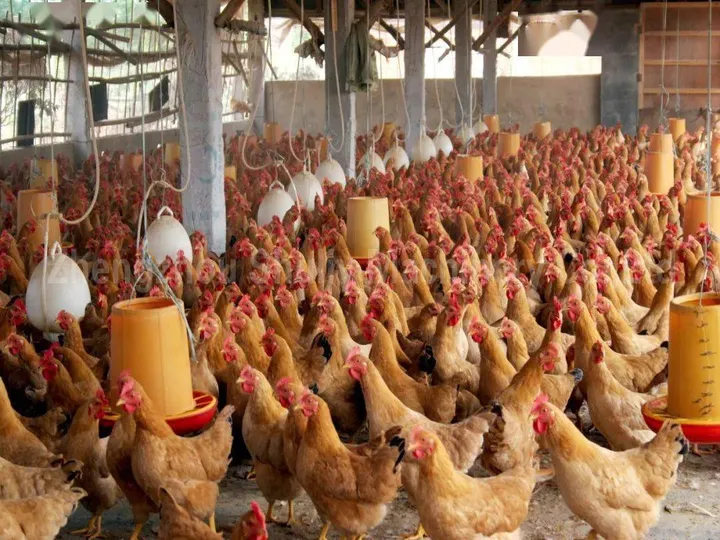
अपने पोल्ट्री फार्म के लिए एक समर्पित अंडा ट्रे उत्पादन मशीन क्यों चुनें?
Many farm owners wonder: Is making egg trays yourself complicated? Does it take a lot of labor and resources? The answer: with the right अंडे की ट्रे उत्पादन मशीन, producing trays in-house saves time, effort, and money compared to buying.
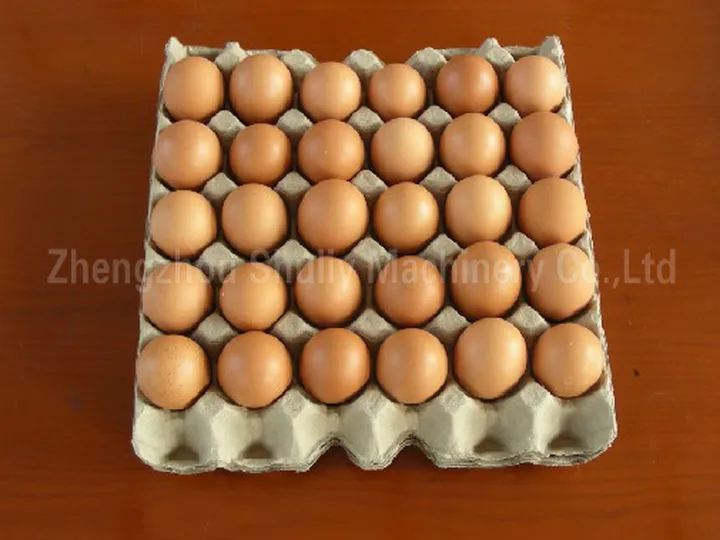
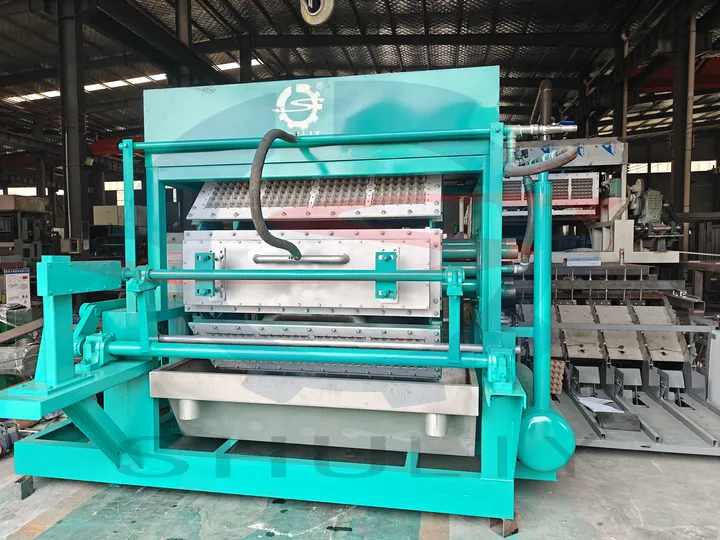
Modern fully automatic egg tray production machines handle the entire process—from raw material preparation to finished trays—without much manual work. They are suitable for small, medium, and large farms. In-house production can cut tray costs by 30–50% and allows customization for different egg sizes (starter eggs, regular eggs, or free-range eggs), solving the problem of mismatched trays when buying externally.
यह लेख अंडा ट्रे उत्पादन की पूरी प्रक्रिया को तोड़ता है—कच्चे माल की तैयारी से लेकर तैयार उत्पाद के भंडारण तक—प्रत्येक चरण में मुख्य उपकरणों को उजागर करता है। यह आपको जल्दी समझने में मदद करता है कि कौन सी मशीनें आवश्यक हैं और अपने फार्म के लिए सही अंडा ट्रे बनाने वाली मशीन कैसे चुनें।
अंडा ट्रे उत्पादन के मुख्य कच्चे माल
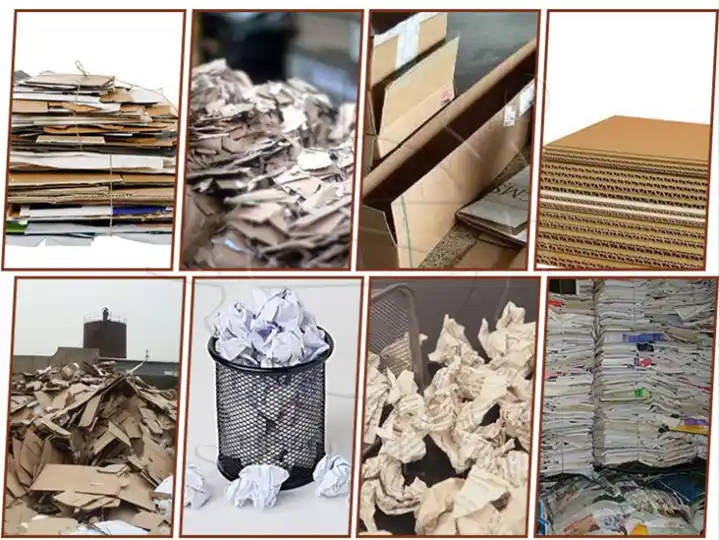
अंडा ट्रे मुख्य रूप से पुनर्नवीनीकृत कागज से बने होते हैं, जिनमें शामिल हैं:
- कूड़ा कार्डबोर्ड (गत्ते का कागज)
- प्रयुक्त समाचार पत्र और किताबें
- कागज के टुकड़े और कचरा
ये सामग्री व्यापक रूप से उपलब्ध हैं और कम लागत वाली हैं। इन्हें पुनर्चक्रित करने से उत्पादन लागत में काफी कमी आती है और पर्यावरण के अनुकूल प्रथाओं का समर्थन होता है।
Key Tip: After shredding the paper, remove impurities like stones and plastic. This prevents damage to the molding machine and ensures high-quality egg trays.
पोल्ट्री फार्म अंडा ट्रे उत्पादन मशीन के साथ चरण-दर-चरण अंडा ट्रे उत्पादन प्रक्रिया
अंडा ट्रे बनाने के चार मुख्य चरण हैं: पल्पिंग, मोल्डिंग, सुखाना, और पैकिंग।
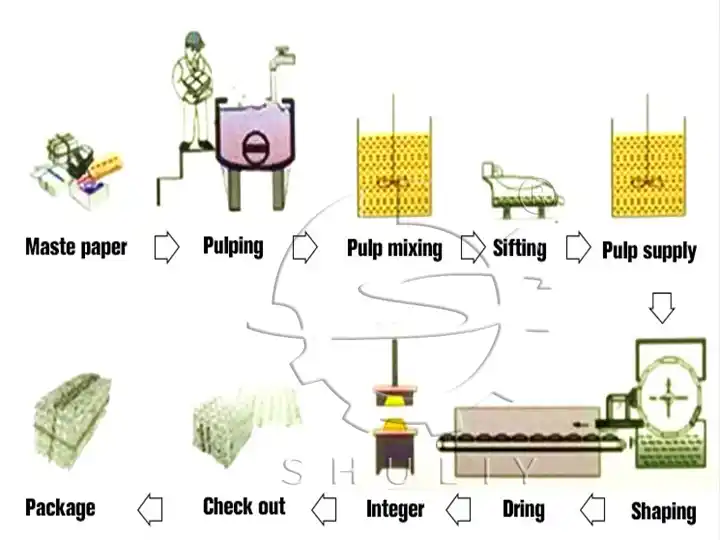
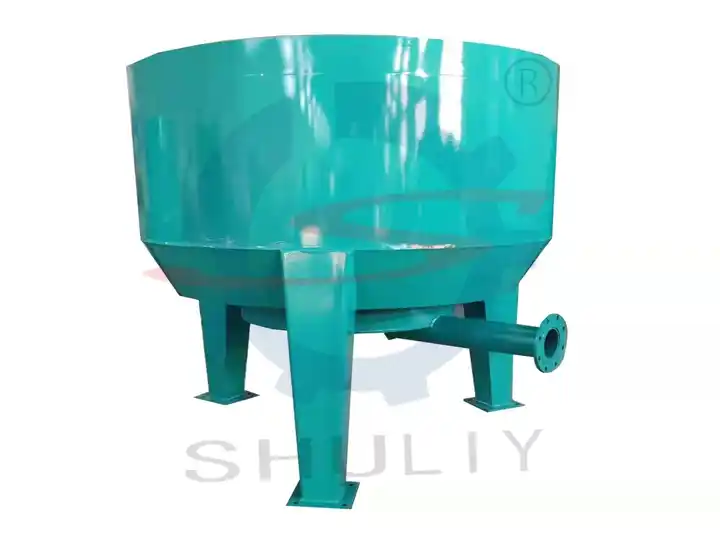
पल्पिंग सिस्टम
- कच्चे माल का इनपुट: हाइड्रोलिक पल्पर में कागज के टुकड़े, कार्डबोर्ड या पेपर कैन डालें।
- भौतिक टूटना: तेज पानी का प्रवाह पूरी तरह से कागज के फाइबर को अलग कर देता है, जिससे एक समान पल्प बनता है।
- पल्प समायोजन: पल्प की आदर्श सांद्रता तक पानी डालें, आमतौर पर लगभग 5%, ताकि समान मोल्डिंग हो सके।
- एडिटिव्स (वैकल्पिक): पानी प्रतिरोधी एजेंट (जैसे पैराफिन) या रंग मिलाए जा सकते हैं ताकि टिकाऊपन और दिखावट बेहतर हो।
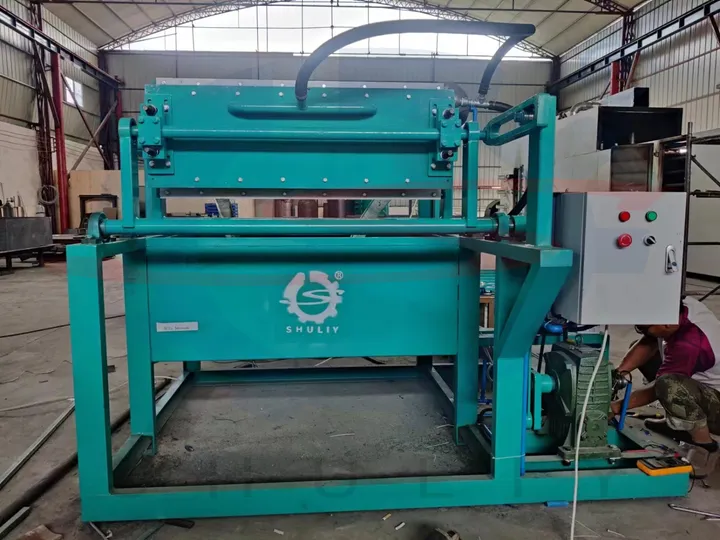
Molding System
- वैक्यूम सक्शन: पल्प को मोल्डिंग मशीन के नीचे स्थानांतरित किया जाता है। एक वैक्यूम पंप नकारात्मक दबाव बनाता है, जिससे फाइबर मोल्ड सतह पर समान रूप से खिंचते हैं।
- सूखाना और मोल्ड निकालना: सभी पानी को सूखने के दौरान हटा दिया जाता है। फिर, आंशिक रूप से बने गीले ट्रे को संकुचित हवा से उड़ाया जाता है और एक कन्वेयर बेल्ट पर ले जाया जाता है।
- प्रमुख लाभ: सुनिश्चित करता है कि ग्रूव मानकीकृत हैं और ट्रे का आकार स्थिर है, जिससे स्टैकिंग और परिवहन आसान हो जाता है।
Drying Methods
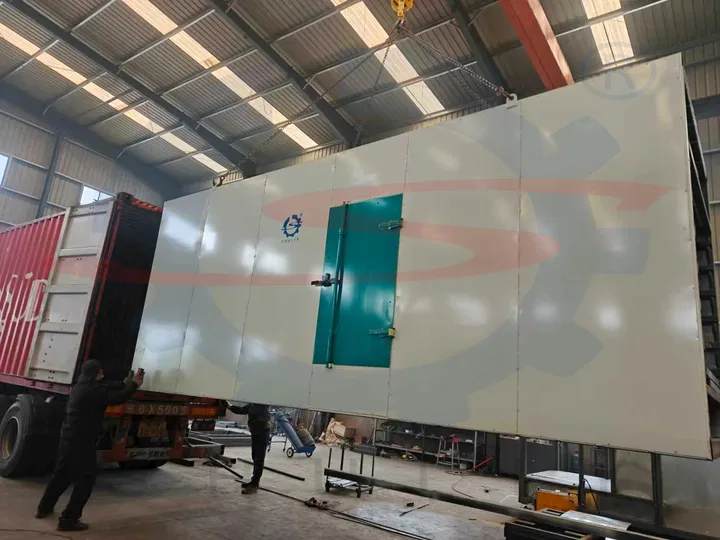
- ईंट भट्ठा सुखाने: कम लागत, छोटे कारखानों के लिए उपयुक्त; ईंधन को कोयला या लकड़ी हो सकता है।
- धातु सुखाने की मशीन: उच्च स्वचालन, कॉम्पैक्ट, प्राकृतिक गैस या डीजल का उपयोग करता है, और उच्च थर्मल दक्षता है।
- भौतिक परिवर्तन: 150–200°C पर सुखाने से पानी वाष्पित हो जाता है और ट्रे की ताकत जल्दी बढ़ती है।
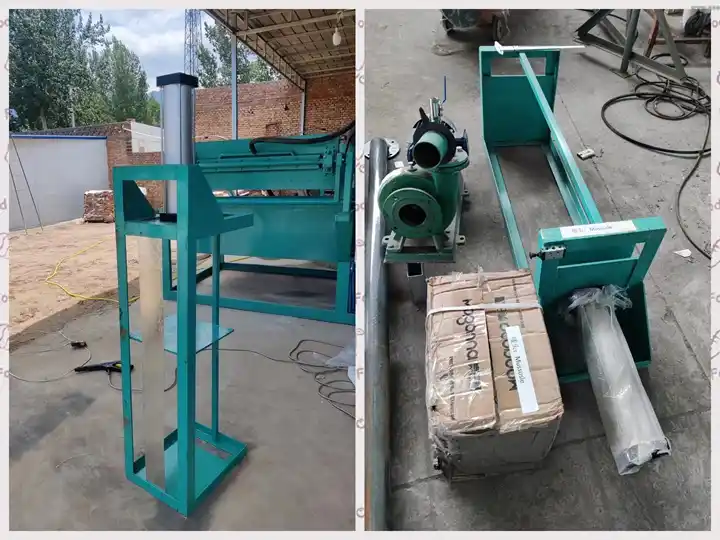
- हॉट प्रेसिंग: कुछ उच्च गुणवत्ता वाले ट्रे हॉट-प्रेस किए जाते हैं ताकि सतह चिकनी और आयाम सटीक हों।
- स्टैकिंग और गिनती: ट्रे स्वचालित रूप से गिने, स्टैक किए और पैक किए जाते हैं ताकि परिवहन और भंडारण आसान हो।
- पूर्ण उत्पाद विशेषताएँ: मानक आकार, मजबूत संरचना, और व्यावहारिक एवं आकर्षक।
क्यों अधिक पोल्ट्री फार्म अपने ही अंडा ट्रे बनाते हैं?
- लागत में कमी: कचरे के कागज से ट्रे बनाना खरीद और परिवहन पर बचत करता है।
- विश्वसनीय आपूर्ति: बाजार पर निर्भरता नहीं; आवश्यकतानुसार ट्रे बनाएं।
- अंडे की बेहतर सुरक्षा: अच्छी वायु प्रवाह और कुशनिंग टूटने को कम करते हैं।
- पर्यावरण के अनुकूल और ब्रांड छवि: पुनर्चक्रण योग्य और बायोडिग्रेडेबल, फार्म की छवि को बढ़ावा देता है।
- अनुकूलन योग्य: ट्रे का आकार और आकार बाजार की आवश्यकताओं को पूरा करने के लिए समायोज्य हो सकता है।
पोल्ट्री फार्म पर अंडा ट्रे मशीन का उपयोग करने के लाभ
Cost Control
कूड़ा कागज या भूसा का उपयोग करता है, कच्चे माल की लागत बचाता है।
Stable Supply
मांग के अनुसार ट्रे बनाएं, बाजार के उतार-चढ़ाव से प्रभावित नहीं।
High Efficiency
स्वचालित मोल्डिंग बड़ी और स्थिर उत्पादन प्रदान करता है।
Quality Control
ट्रे की मोटाई, कुशनिंग, और वेंटिलेशन को कम तोड़फोड़ के लिए समायोजित किया जा सकता है।
Eco-Friendly
पल्प ट्रे पुनर्चक्रण योग्य और बायोडिग्रेडेबल हैं, हरित खेती का समर्थन करते हैं।
अनुकूलन योग्य
ट्रे का आकार अंडे के प्रकार और परिवहन आवश्यकताओं के अनुसार अनुकूलित किया जा सकता है।
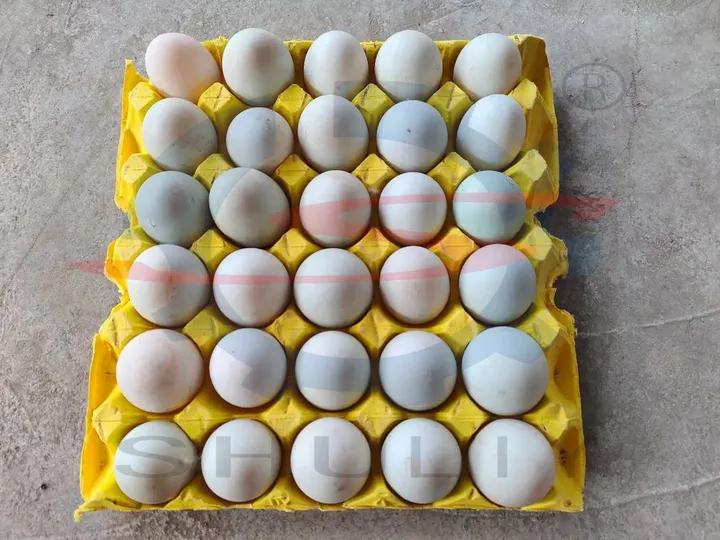
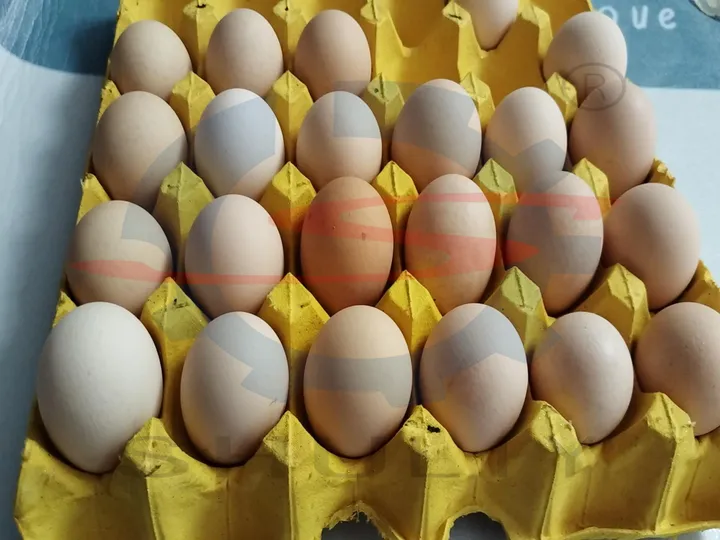
बाजार में सर्वश्रेष्ठ बिकने वाली अंडा ट्रे बनाने वाली मशीनें
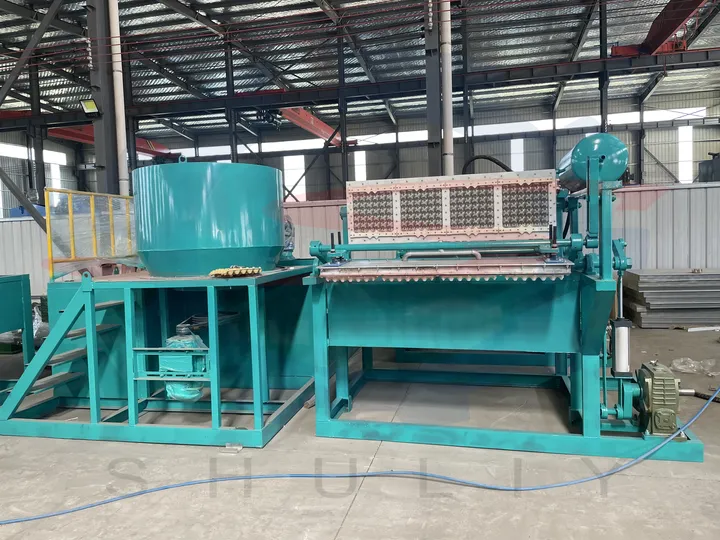
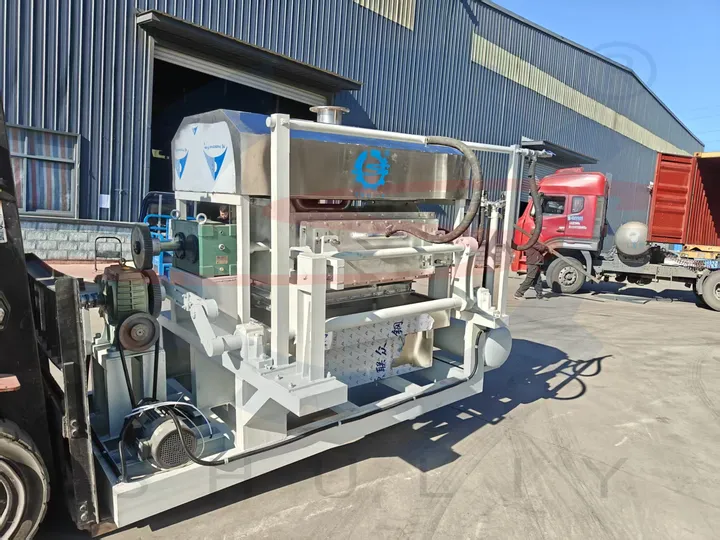
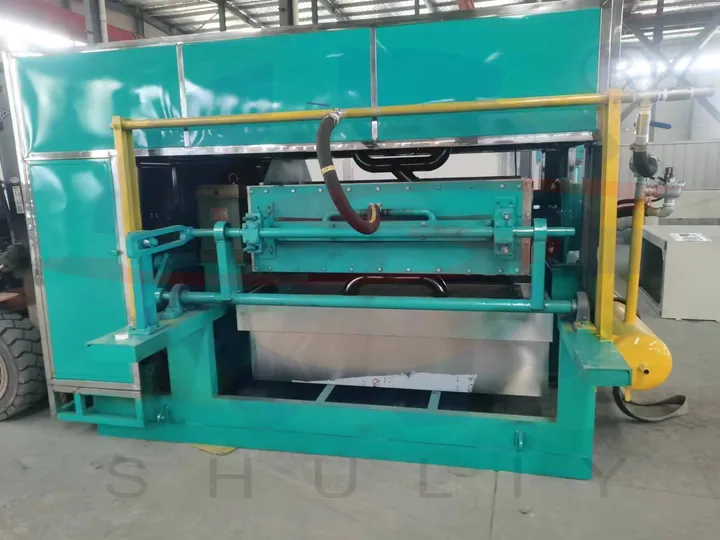
If you want to improve egg packaging efficiency, cut costs, and stay eco-friendly, producing your own egg trays is the best choice. In the poultry farm egg tray machine market, शुली stands out with its SL-3*1, SL-4*1, SL-3*4, and SL-4*4 series. These machines offer stable performance and medium-to-high output, producing thousands of trays per hour.
अंडा ट्रे उत्पादन मशीन – पैरामीटर संदर्भ
| मॉडल | क्षमता | शक्ति | वोल्टेज | वजन | पल्प उपयोग | पानी उपयोग | आकार (मिमी) |
| SL-1000-3X1 | 1000पीसी/घंटा | 38किलोवाट | 380V,50HZ | 2500किलो | 80किग्रा/घंटा | 160किग्रा/घंटा | 2600*2200*1900 |
| SL-1500-4X1 | 1500पीस/घंटा | 38किलोवाट | 380V,50HZ | 3000किग्रा | 120किग्रा/घंटा | 240किग्रा/घंटा | 2800*2200*1900 |
| SL-2500-3X4 | 2500पीस/घंटा | 55किलोवाट | 380V,50HZ | 4000किग्रा | 200किग्रा/घंटा | 400किग्रा/घंटा | 2900*1800*1800 |
| SL-3000-4X4 | 3000पीसी/घंटा | 60किलोवाट | 380V,50HZ | 4800किग्रा | 240किग्रा/घंटा | 480किग्रा/घंटा | 3250*1800*1800 |
| SL-4000-4X8 | 4000पीस/घंटा | 95किलोवाट | 380V,50HZ | 7000किलोग्राम | 320किग्रा/घंटा | 640किग्रा/घंटा | 3250*2300*2500 |
| SL-5000-5X8 | 5000पीसी/घंटा | 95किलोवाट | 380V,50HZ | 8000किग्रा | 400किग्रा/घंटा | 800किग्रा/घंटा | 3700*2300*2500 |
| SL-7000-6X8 | 7000पीस/घंटा | 120क्वाट | 380V,50HZ | 10000 किलोग्राम | 480किग्रा/घंटा | 960 किलोग्राम/घंटा | 3200*2300*2500 |
इनमें इंटरचेंजेबल मोल्ड होते हैं जो विभिन्न ट्रे आकारों के अनुकूल होते हैं, परिवहन के दौरान अंडों की सुरक्षा करते हैं, और पैकेजिंग को आसान बनाते हैं। टिकाऊ, अत्यधिक स्वचालित, और संचालन में आसान, ये मशीनें उन फार्मों के लिए आदर्श हैं जो इन-हाउस पर्यावरण के अनुकूल पल्प अंडा ट्रे बनाते हैं।