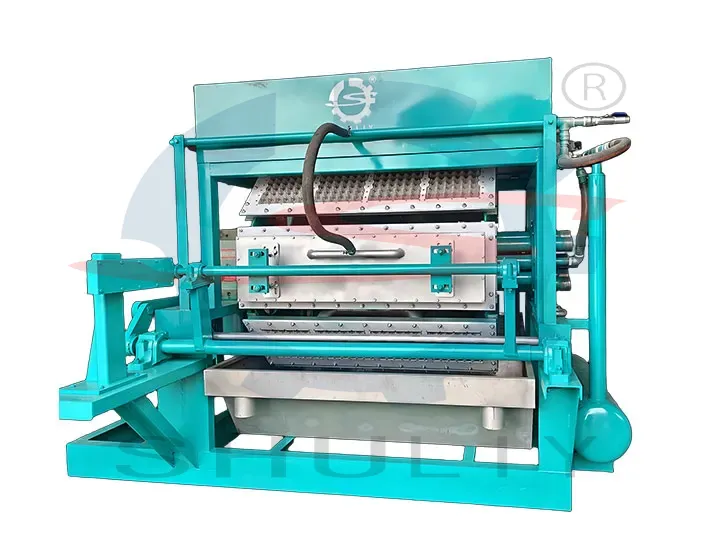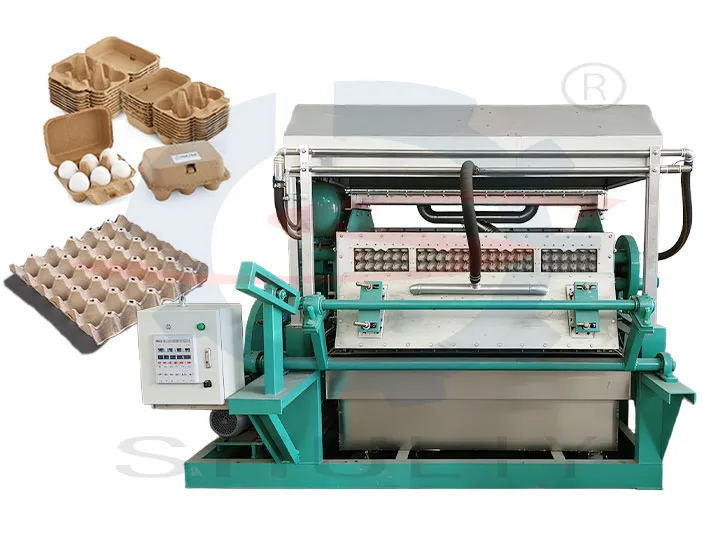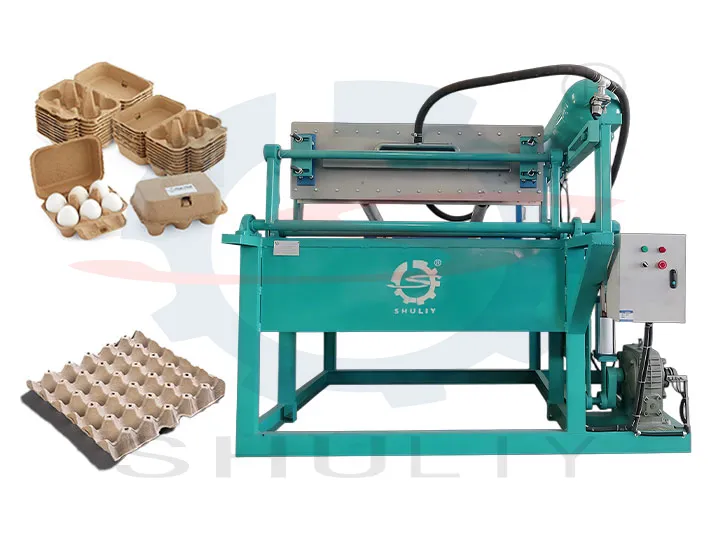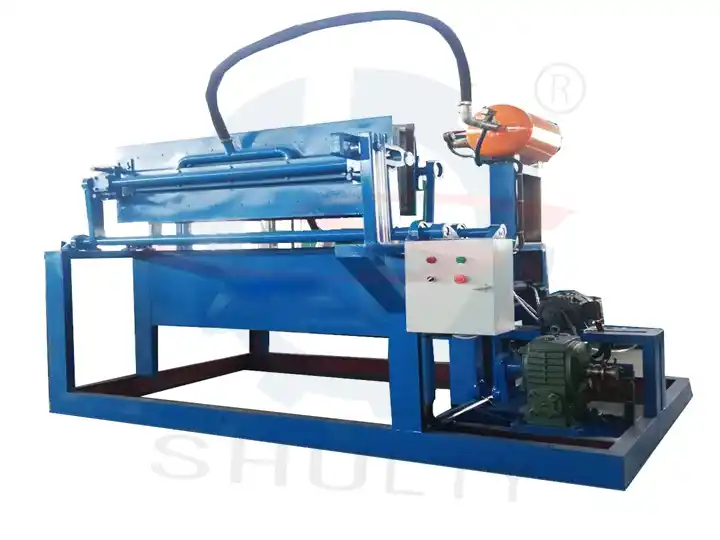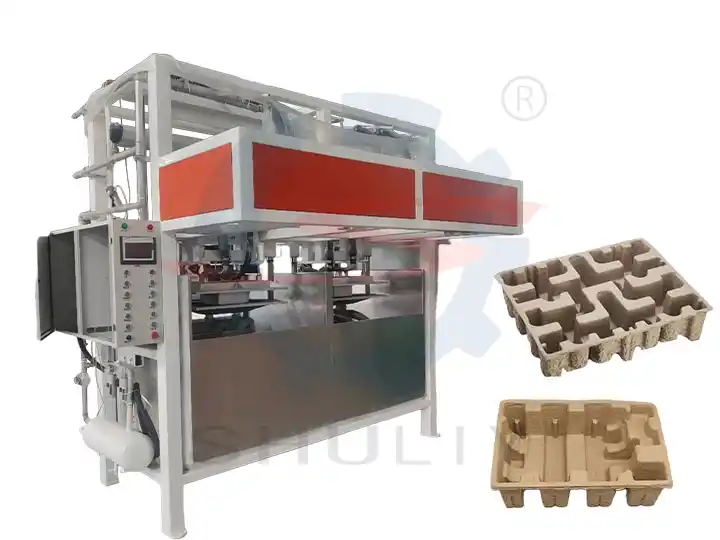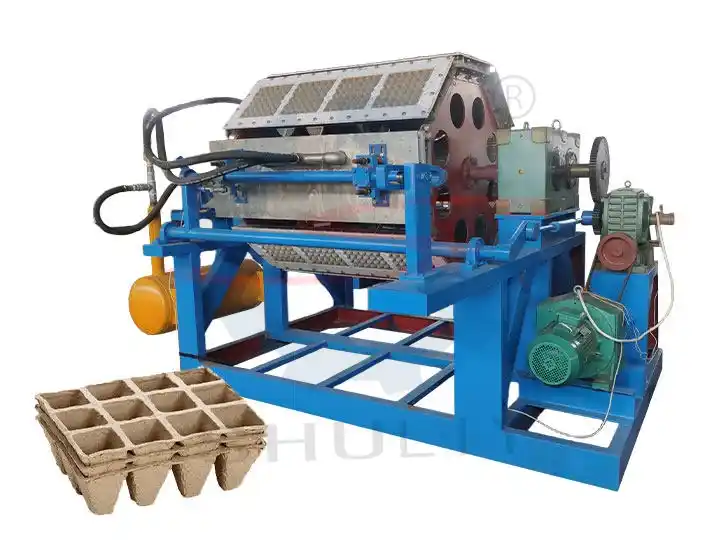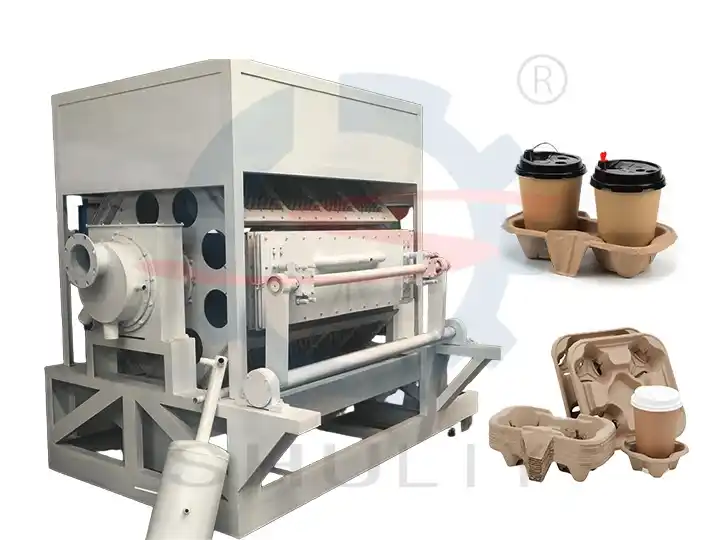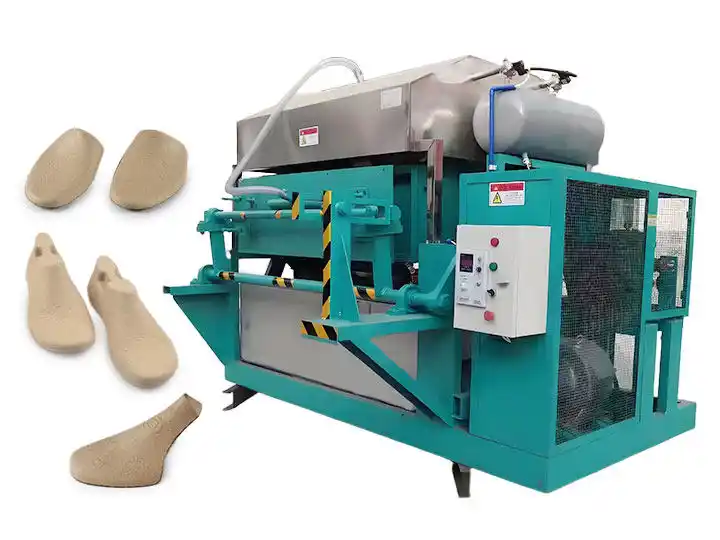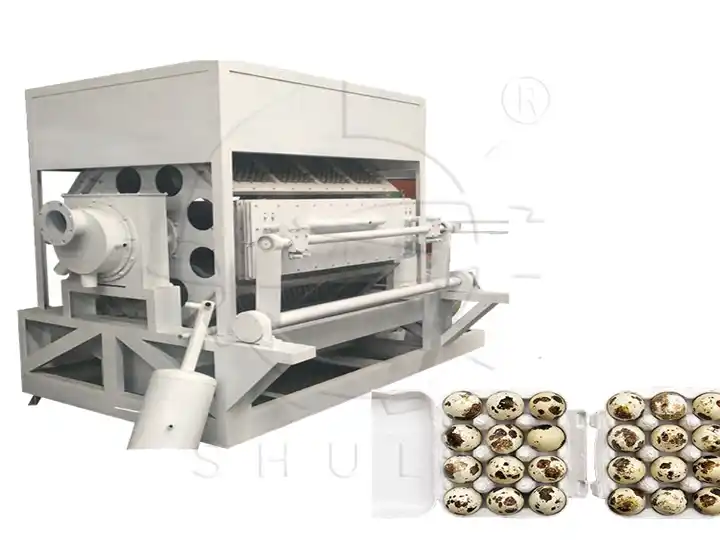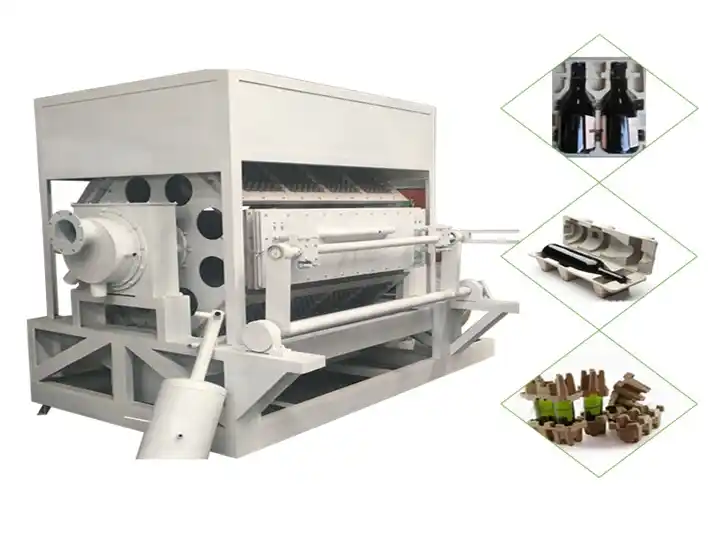
A seedling tray production line typically costs between $8,000 and $150,000+, depending on production capacity, automation level, and configuration. Small manual machines suitable for startup nurseries start around $8,000-$15,000, while fully automatic production lines capable of producing 5,000+ trays per hour can exceed $150,000.
This comprehensive pricing guide breaks down the real costs based on market research from leading Chinese manufacturers, including equipment specifications, additional expenses, and ROI calculations to help you make an informed investment decision for your nursery business.

Seedling Tray Production Line Price by Capacity
Production capacity is the primary factor determining equipment cost. Below is the typical price range based on hourly output, compiled from industry data and leading pulp molding equipment manufacturers in China:
| Capacity | Machine Type | Price Range (USD) | Best For |
|---|---|---|---|
| 1,000 pcs/hour | Small Manual/Semi-auto | $8,000 - $15,000 | Startup nurseries, small farms |
| 1,500 pcs/hour | Semi-automatic | $12,000 - $20,000 | Small commercial nurseries |
| 2,500 pcs/hour | Semi-automatic | $25,000 - $35,000 | Medium vegetable farms |
| 3,000 pcs/hour | Automatic | $35,000 - $50,000 | Commercial nurseries |
| 4,000 pcs/hour | Automatic | $50,000 - $70,000 | Large nurseries, exporters |
| 5,000 pcs/hour | Fully Automatic | $70,000 - $95,000 | Industrial-scale production |
| 7,000 pcs/hour | Fully Automatic | $95,000 - $150,000+ | Mass production facilities |
Note: Prices are based on FOB China terms and represent typical market ranges from established manufacturers. Actual quotes may vary based on customization, drying system type, and additional features.
5 Key Factors That Affect Seedling Tray Machine Prices
1. Production Capacity
Capacity directly correlates with machine size, number of molds, and motor power. A machine producing 1,000 trays/hour uses simpler single-side molding technology, while 5,000+ pcs/hour machines require multi-side (4-side, 8-side) rotary molding systems with higher precision engineering.
Price Impact: Doubling capacity typically increases cost by 60-80%, not 100%, due to economies of scale in manufacturing.
2. Automation Level
Automation significantly affects both initial investment and labor requirements:
- Manual/Natural Drying: Lowest cost ($8,000-$15,000), requires 3-5 workers, weather-dependent
- Semi-automatic (Brick/Metal Dryer): Mid-range ($25,000-$50,000), requires 2-3 workers, consistent output
- Fully Automatic (Continuous Dryer): Premium ($70,000-$150,000+), requires 1-2 workers, highest efficiency
3. Drying System Type
The drying system represents 25-40% of total equipment cost:
| Drying Method | Cost Range | Production Consistency | Energy Costs |
|---|---|---|---|
| Natural Sun Drying | $0 (included) | Weather dependent | Zero |
| Brick Drying Room | $5,000 - $15,000 | Good | Low-Moderate |
| Metal Drying Room | $10,000 - $25,000 | Very Good | Moderate |
| Multi-layer Belt Dryer | $30,000 - $60,000 | Excellent | Moderate-High |
4. Cell Count and Mold Configuration
p>Standard molds are typically included, but custom cell counts (50, 72, 128, 200, 288 cells) may incur additional costs:
- Standard molds (aluminum): Usually included in base price
- Additional mold sets: $2,000 - $5,000 per set
- Premium copper molds: 30-50% higher than aluminum
- Custom designs: $3,000 - $8,000 depending on complexity
5. Brand and After-Sales Support
Established manufacturers with ISO/CE certification and international service networks typically charge 15-25% more than smaller local suppliers. However, this premium often includes:
- Engineer installation and training (value: $3,000-$5,000)
- 1-year warranty with spare parts support
- Technical documentation and operation manuals
- Remote troubleshooting support
Additional Costs to Budget For
Beyond the equipment itself, plan for these additional expenses:
| Expense Category | Typical Cost | Notes |
|---|---|---|
| Shipping & Freight | $2,000 - $8,000 | Depends on destination and machine size |
| Import Duties & Taxes | 5-15% of equipment value | Varies by country |
| Installation & Commissioning | $3,000 - $6,000 | Engineer travel, lodging, daily rate |
| Facility Preparation | $5,000 - $20,000 | Electrical, flooring, ventilation |
| Initial Raw Materials | $1,000 - $3,000 | Waste paper, chemicals for startup |
| Spare Parts Package | $2,000 - $5,000 | Recommended for first year |
ROI Calculation: When Will You Break Even?
Understanding return on investment helps justify the capital expenditure. Here’s a realistic ROI analysis for a mid-scale operation:
Example: SL-3000 Production Line (3,000 trays/hour)
| Metric | Value |
|---|---|
| Equipment Investment | $45,000 |
| Additional Costs (shipping, install, etc.) | $15,000 |
| Total Initial Investment | $60,000 |
| Hourly Production | 3,000 trays |
| Daily Output (16 hours) | 48,000 trays |
| Annual Output (300 days) | 14.4 million trays |
| Production Cost per Tray | $0.015 - $0.025 |
| Market Price per Tray (wholesale) | $0.04 - $0.08 |
| Profit per Tray | $0.02 - $0.05 |
| Daily Profit Potential | $960 - $2,400 |
| Annual Profit Potential | $288,000 - $720,000 |
Payback Period: 3-8 months at full capacity utilization
Note: Actual results depend on local market prices, labor costs, raw material availability, and operational efficiency. Conservative estimates assume 60-70% capacity utilization in the first year.
Small vs Large Investment: Which is Right for You?
Small Investment ($8,000 - $20,000)
Best for:
- Startup nurseries testing the market
- Farms producing seedlings for own use
- Entrepreneurs with limited capital
- Regions with low labor costs
Pros: Lower risk, faster payback, easier to learn
Cons: Limited scalability, higher labor costs per unit, weather dependent (natural drying)
Large Investment ($50,000 - $150,000)
Best for:
- Established commercial nurseries
- Export-oriented operations
- High labor cost regions
- 24/7 production requirements
Pros: Economies of scale, consistent quality, lower labor costs, professional image
Cons: Higher capital requirement, longer payback period, more complex maintenance
How to Get the Best Price on Your Seedling Tray Machine
1. Request Multiple Quotes
Contact at least 3-5 manufacturers with your specific requirements. Price variations of 20-30% between suppliers are common for identical specifications.
2. Consider the Total Package
The lowest equipment price isn’t always the best deal. Factor in:
- Installation and training support
- Warranty terms and spare parts availability
- Technical documentation quality
- Remote support capabilities
3. Time Your Purchase
Chinese manufacturers often offer 5-10% discounts during:
- Post-Chinese New Year (March-April)
- Canton Fair periods (April and October)
- End of fiscal year (December)
4. Negotiate Payment Terms
Standard terms are 30% deposit, 70% before shipment. Some manufacturers accept:
- Letter of Credit (safer for buyer)
- 10-15% discount for 100% upfront payment
- Extended payment plans for established customers
Frequently Asked Questions About Seedling Tray Machine Costs
What is the cheapest seedling tray machine available?
The most affordable option is a small manual machine with natural drying, typically costing $8,000-$12,000. These machines produce 1,000-1,500 trays per hour and are suitable for startup nurseries or farms producing seedlings for their own use. However, they require more labor and are weather-dependent for the drying process.
How much does shipping a seedling tray machine cost?
Shipping costs typically range from $2,000 to $8,000 depending on the machine size, destination, and shipping method. A small machine (1,000-1,500 pcs/h) fits in a 20ft container and costs $2,000-$4,000 to ship to most destinations. Larger machines requiring 40ft containers or multiple containers can cost $5,000-$8,000+ to ship to distant markets like Africa or South America.
Is it better to buy a new or used seedling tray machine?
New machines are generally recommended for first-time buyers. Used machines may cost 30-50% less but often lack warranty support, may have worn molds, and can have hidden maintenance issues. For a production-critical business, the reliability and support of a new machine typically justify the additional cost. If considering used equipment, have a technical expert inspect the machine before purchase.
What is the average payback period for a seedling tray production line?
Most operators achieve payback within 6-18 months, depending on capacity utilization and local market conditions. Small machines ($8,000-$20,000) often pay back in 3-6 months when operated at 70%+ capacity. Larger automatic lines ($50,000-$150,000) typically see payback in 12-18 months due to higher output and lower labor costs per tray.
Can I get financing for a seedling tray production line?
Yes, several financing options are available. Some equipment manufacturers offer installment payment plans, typically requiring 30-50% down payment with the balance paid over 6-12 months. In many countries, agricultural equipment qualifies for government subsidies or low-interest loans. Additionally, some buyers use equipment leasing companies or secure traditional business loans using the equipment as collateral.
How much does it cost to produce one seedling tray?
Production cost per tray typically ranges from $0.015 to $0.025 (1.5 to 2.5 cents), broken down as: raw materials (waste paper and water) $0.005-$0.008, electricity $0.003-$0.005, labor $0.004-$0.008, and overhead $0.003-$0.004. Automated lines achieve lower per-unit costs due to reduced labor requirements and higher energy efficiency.
Ready to Get a Detailed Quote for Your Seedling Tray Production Line?
Understanding the investment range is just the first step. To get an accurate quote tailored to your specific production requirements, cell count needs, and local conditions, contact our engineering team.
We provide:
- Free production planning and capacity calculations
- Detailed equipment quotations with specifications
- ROI analysis based on your local market conditions
- Facility layout recommendations
- Custom mold design for your target crops
Request your free quote today and take the first step toward establishing your seedling tray production operation.
Related Articles
- How to Choose the Right Seedling Tray Machine: Complete Buyer’s Guide
- Pulp vs Plastic Seedling Trays: Which is Better for Your Nursery?
- How to Start a Commercial Nursery Business: Step-by-Step Guide
- Pulp Molded Seedling Tray Production Line: Technical Specifications
Last Updated: April 2026. Prices are based on market research from leading Chinese pulp molding equipment manufacturers and industry data. Actual prices may vary based on specifications, exchange rates, and market conditions. Always request current quotes from multiple suppliers before making investment decisions.